
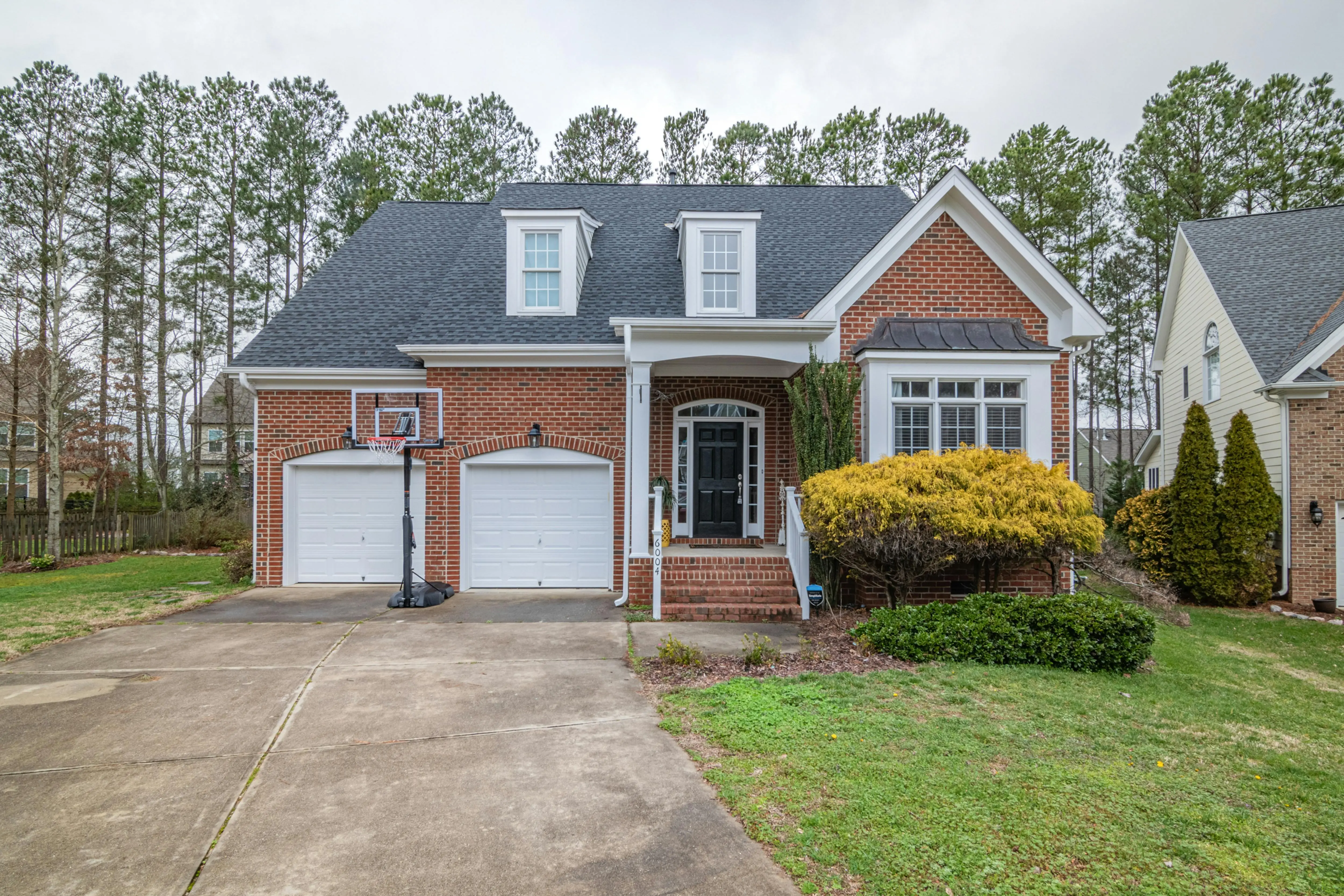
Driveway Replacement After Home Purchase: The Smart Start
Congratulations on the new keys! While you’re busy picking paint colors, the cracked, oil-stained driveway is quietly plotting its first “welcome home” trip hazard. Driveway replacement after home purchase is one of the fastest ways to boost curb appeal, protect your vehicles, and prevent water from sneaking into the garage. This guide walks you through every decision—from spotting red flags in the first 30 days to choosing a contractor who won’t ghost you after the deposit.
Why Most Buyers Replace the Driveway Within the First Year
Home inspectors rarely flag a driveway for “immediate failure,” yet three common realities show up after move-in:
- Hidden drainage issues: Puddles that freeze overnight become liability lawsuits.
- Patch-work history: Multiple skim coats mask crumbling substrate.
- Style clash: Your dream farmhouse deserves more than 1970s pinkish concrete.
Replacing early also means you avoid tearing up new landscaping, fences, or that pricey basketball hoop you just installed.
30-Minute Driveway Inspection Every New Owner Should Do
Step 1: The “Dime Test” for Surface Integrity
Slide a dime into each crack. If it sinks deeper than half the coin, the fracture goes past the wearing course and allows water to penetrate the base.
Step 2: Check for Micro-Alligatoring
Look for interconnected cracks resembling reptile skin. A patch larger than a pizza box signals base failure—time for full replacement, not sealcoat.
Step 3: Measure Standing Water
After the next rain, outline puddle edges with sidewalk chalk. Photograph and measure depth. Anything over ¼ inch that remains longer than 4 hours indicates improper slope.
Best Timing for Driveway Replacement After Home Purchase
Seasonal Sweet Spots
Concrete: 40–80 °F with low humidity. Early fall gives the slab a full winter to cure before the first salt attack. Asphalt: 50–85 °F. Late spring installs allow the oils to harden before summer heat softens the surface.
Project Sequencing With Other Renovations
Replace the driveway after roofing or siding tear-offs but before final landscaping. Heavy dumpsters and scaffolding chew up fresh pavement if the order is flipped.
Choosing the Right Material for Your Climate & Lifestyle
Concrete: The Low-Maintenance Classic
Life span 25–35 years. Add fiber mesh and 6% air entrainment for freeze-thaw zones. Broom finish provides slip resistance; stamped patterns mimic stone at half the price.
Asphalt: Budget-Friendly and Flexible
Life span 15–20 years. Requires sealcoating every 3–5 years. Choose a 2.5-inch compacted surface course over a 6-inch crushed stone base for passenger vehicles; upgrade to 3 inches if you park a heavy truck.
Pavers: DIY-Friendly Repairs
Individual bricks can be swapped out if oil spills. Polymeric sand in joints blocks weeds. Expect $12–$20 per sq ft installed—double concrete—but a 40-year life and instant wow factor.
Permeable Options: HOA & Storm-Water Credits
Porous asphalt or interlocking grids let rain soak through, cutting runoff fees in many cities. Check with your municipality—some issue rebates up to $2,000.
Realistic Budget Numbers in 2024
National Averages (12 ft × 40 ft Single-Car Drive)
- Standard asphalt: $3,600–$4,800
- Plain concrete: $4,800–$6,400
- Stamped/colored concrete: $6,800–$9,200
- Clay brick pavers: $9,600–$12,800
Line Items Homeowners Forget
- Tree-root removal: $300–$900 per stump
- City permit: $50–$250 (larger metros trend higher)
- Base stabilization: $1–$2 per sq ft if soil is clay-heavy
- Delivery fee for short-load concrete: $100–$150 if your job is under 5 cu yd
Financing Tips
Use a 0% APR credit card only if you can pay it off within the promo window—otherwise the 18% jump eats savings. A home-equity line averaged 7.5% in 2024, often beating personal-loan rates.
Hiring the Right Driveway Contractor
Red-Flag Checklist
- Quotes 30% below the next bid—usually skips compaction or uses less steel.
- Asks for >50% down. Standard is 25% to order materials, 50% at pour, 25% at final walk-through.
- No proof of general liability + workers’ comp. Request COI directly from the agent, not a photocopy.
Questions That Separate Pros From Pretenders
- “What’s your compaction rate and testing method?” (Answer should be 98% Proctor density with a nuclear gauge.)
- “Will you install dowel bars at the apron?” (Critical for concrete where driveway meets city sidewalk.)
- “Who schedules the city inspection?” (Pro handles it; chuck-in-truck guys leave it to you.)
Drivewayz USA Pro Tip
Ask for a recent Superpave or slump test report. If the foreman can produce one on the spot, you’re dealing with a company that invests in quality control, not luck.
Pre-Install Preparation You Can Handle
Call 811 for Utility Locates—Even for “Just” Asphalt
Private sprinkler lines aren’t covered. Mark them with spray paint so the crew doesn’t spear a pipe while grading.
Temp Parking Solutions
Secure street permits 2 weeks out. Offer neighbors a coffee gift card in exchange for sharing their curb—keeps peace when your contractor’s trucks block the road at 6 a.m.
Protect Sprinkler Heads & Drainage
Wrap PVC heads with traffic cones and snap photos. If the crew damages one, you have proof it was intact.
Installation Day: What to Watch For
Concrete Pour
- Concrete should arrive < 90 minutes after batch. Reject trucks with dry, clumpy edges.
- Look for 6-mil vapor barrier under slab—prevents moisture wicking that causes surface crazing.
- Request control joints every 10 ft or 1.5 × slab thickness in feet, whichever is less.
Asphalt Paving
- Base should be 6-in dense-graded aggregate, compacted in 4-inch lifts.
- Edge milling at garage apron prevents the 1-in “cliff” that scrapes front bumpers.
- Roller pattern: breakdown (vibratory), intermediate (pneumatic), finish (static steel) while mix is still 175 °F.
Post-Install Care: First 30 Days Make or Break the Surface
Concrete
Keep it moist for 7 days—spray lightly twice daily in summer. No tire turning for 7 days; no heavy trucks for 28 days. Wait 30 days before applying a penetrating silane-siloxane sealer.
Asphalt
Stay off 24 hours; 3 days in 90 °F+ heat. First sealcoat at 90 days, not sooner—oils need to oxidize.
Winterizing New Pavement
Use calcium chloride flakes instead of rock salt on concrete—less scaling. Plastic shovels only; metal blades leave gouges.
ROI & Appraisal Benefits
Remodeling Magazine’s 2024 Cost vs. Value Report shows an 18% higher return on concrete driveways compared to asphalt in the Midwest. Real-estate photographers consistently rank the driveway in the top five curb-appeal shots, meaning your listing gets more click-throughs. If you’re converting a carport to a garage within five years, lay a thicker 6-inch reinforced slab now—cheaper than cutting and re-pouring later.
Permits, HOA & City Regulations
City Setback Rules
Many towns require a 5-ft buffer from side property lines for impervious cover calculations. Going permeable can shrink that setback to 2 ft—gaining you valuable width.
HOA Color Palettes
Earth-tone stamped concrete often needs board approval. Submit a 12-inch sample tile; photos can distort hue on different screens.
Storm-Water Runoff
Washington, Oregon, and parts of Colorado now mandate on-site infiltration. Install a 12-in gravel sump at the apron to stay compliant without hiring a civil engineer.
Yearly Maintenance Schedule
| Season | Concrete | Asphalt | Pavers |
|---|---|---|---|
| Spring | Power wash + inspect joints | Sealcoat every 3–5 yr | Refill polymeric sand |
| Summer | Re-seal if beading fails | Crack-fill while temps 60 °F+ | Tamp edge restraints |
| Fall | Clear leaves (stain risk) | Leaf removal (petroleum stains) | Weed prevention spray |
| Winter | Use plastic shovel | Same + avoid metal blades | Sand, not salt, for traction |
Frequently Asked Questions
You can start as soon as you have the deed, but schedule utility locates 2–3 business days ahead. If you’re in an HOA, submit an architectural request form first; some boards meet only monthly.
Generally, no—routine replacement is considered maintenance. Only expansions (e.g., widening for a third stall) may trigger a reassessment. Check with your county assessor for local rules.
Yes, but plan to park on the street or at a neighbor’s for 3–7 days. Expect noise starting at 7 a.m. and heavy truck traffic; if you work from home, book a coworking space for pour day.
Up-front, yes—usually 25–30% less. Over a 30-year span, concrete’s lower upkeep can make it the cheaper option, especially when you factor in biennial sealcoating for asphalt.