
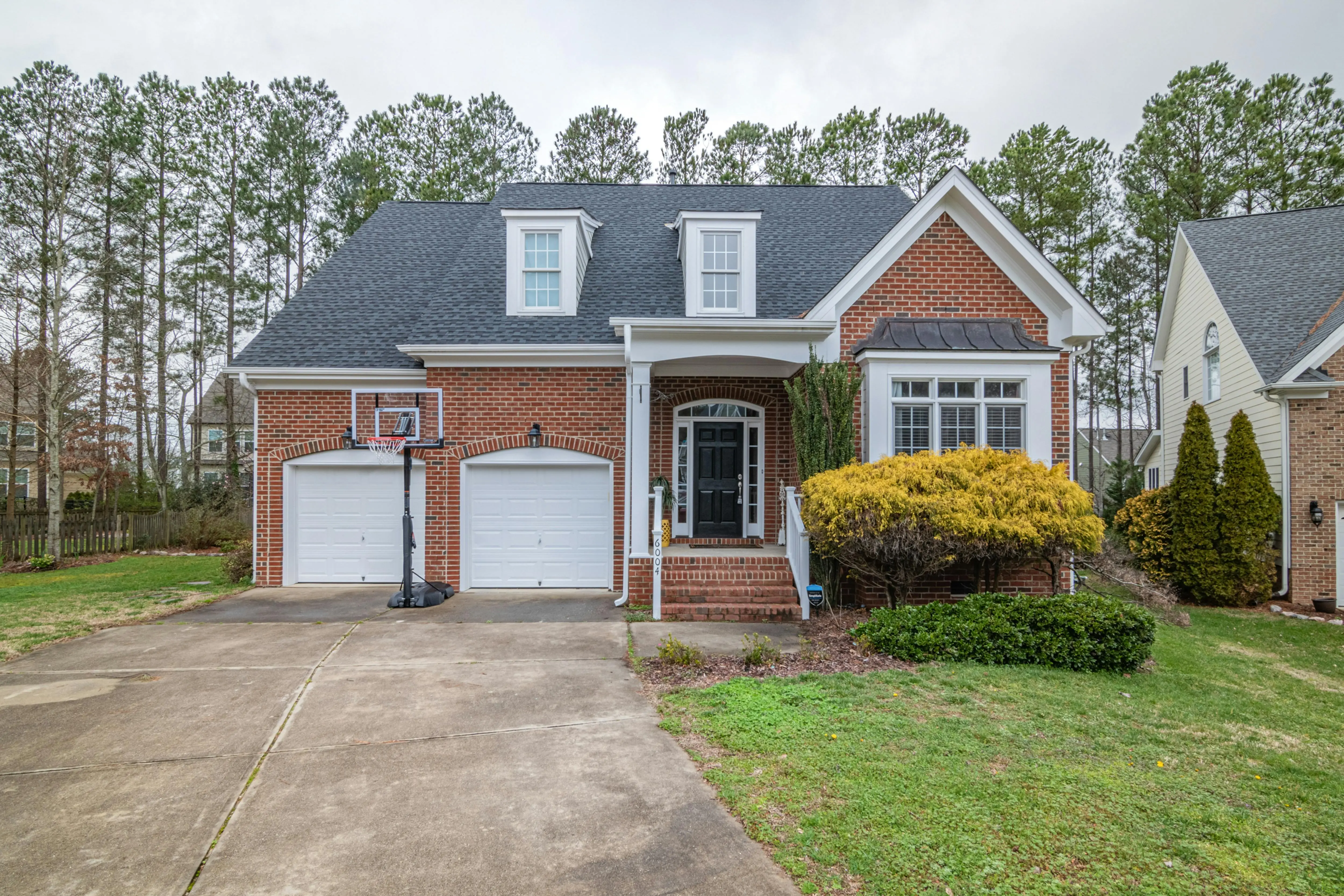
Why Driveway Renovation Before Selling Your Home Pays Off
First impressions start at the curb. A cracked, oil-stained driveway whispers “deferred maintenance” to every buyer who pulls up. Conversely, a smooth, level surface framed by crisp borders signals that the rest of the house has been equally well-loved. In surveys by the National Association of Realtors, exterior upgrades such as driveway replacement routinely return 75–100 % of their cost at resale—often more in competitive markets.
Beyond dollars, a renovated driveway shortens listing time. Homes with obvious exterior flaws sit an average of 15 % longer, according to Zillow research. By tackling the project before you list, you remove a negotiation chip buyers love to wield and you widen your buyer pool to include FHA and VA purchasers who can balk at major concrete defects during appraisal.
Step 1: Assess the Current Driveway Like a Buyer Would
Take the 5-Minute “Tire Kick” Test
Park at the street, walk the entire length, then drive slowly up and back. Note every tripping hazard, puddle spot, and surface blemish. Use your phone to shoot a slow pan video; you’ll catch issues you miss in real time.
Hire a Driveway Inspector (Yes, They Exist)
For $150–$250 a structural inspector will measure crack widths, check expansion-joint integrity, and gauge substrate stability. You’ll receive a one-page report you can hand to contractors for apples-to-apples bids—and later to buyers as proof of professional care.
Check for Hidden Drainage Problems
Look for green algae stripes, mini-river patterns in the soil next to the slab, or garage-floor damp spots. Pooling water can undermine new asphalt in a single season, so correct grading before resurfacing.
ROI Snapshot: What Sellers Typically Recoup
- Complete concrete replacement: 90–105 % in high-demand suburbs with premium home values.
- Asphalt overlay (1.5–2 in): 75–90 %; best in climates with freeze-thaw cycles where buyers fear frost heave.
- Decorative stamped concrete or pavers: 70–100 %; higher return on upscale homes where the driveway must match a luxury façade.
Tip: If your street has power lines overhead, choose lighter-colored concrete. Appraisers note the cooler surface reduces urban-heat-island impact—an easy eco talking point that nudges value.
Choosing the Right Material When You’re Leaving
Concrete: The Safe, Broad-Appeal Bet
Poured concrete lasts 30 years, complements every architectural style, and pleases lenders. Select a broom finish for slip resistance; it hides minor imperfections better than smooth trowel.
Asphalt: Fast, Budget-Friendly, Winter-Ready
An asphalt overlay can be driven on within 24–48 hours—perfect when you need to list quickly. Seal-coat six months later (or negotiate a credit) so buyers see a fresh black surface on move-in.
Pavers: Instant “Wow” for Premium Listings
Interlocking pavers add 5–10 % to project cost but photograph beautifully for MLS thumbnails. Stick to neutral gray-tan tones that won’t clash with buyers’ landscaping tastes.
Chip-Seal & Gravel: Rural or Cottage Properties Only
In lake-country or farmhouse settings, a fresh chip-seal driveway can actually enhance charm. Edge it with timber or brick to show intentionality, not penny-pinching.
Timing the Project to Hit the Market Sweet Spot
Concrete Needs 28 Days to Cure—Really
Plan a full month between final pour and the first open house. Use the waiting period to stage landscaping and exterior paint so everything peaks together.
Asphalt Season Matters
Install when daytime temps stay above 50 °F but below 85 °F. Too hot and the mix scuffs; too cold and compaction suffers. In most states that’s April–June and September–October.
Order Materials Before Interest Rates Spike Sales
When mortgage rates dip 0.25 %, contractor calendars fill overnight. Lock in bids 30–45 days ahead; suppliers honor material quotes for 21 days on average.
DIY vs. Pro: What You Can and Can’t Skimp On
Patching a few hairline cracks? Grab a $25 tube of polyurethane filler and go live your best weekend-warrior life. Replacing more than 15 % of the surface area? Call a licensed installer. Buyers will ask for receipts; a DIY slab without a contractor’s warranty can trigger a last-minute $5,000 escrow holdback.
If you do tackle minor repairs:
- Pressure-wash first—new filler won’t bond to dirty concrete.
- Use a backer rod in cracks wider than ¼ in to prevent three-peat repairs.
- Apply a concrete resurfacer with a squeegee; roll in thin, consistent coats to avoid lap marks visible in listing photos.
Permits, HOAs, and Appraisal Flags
City Permits: Usually Required for Width Changes
Widening a driveway or adding a turn-around almost always needs a curb-cut permit ($50–$200). Miss it and the appraiser may list the addition as “unpermitted,” killing a low-down-payment loan.
HOA Color Palettes
Many associations pre-approve a short list of earth-tone shades. Bring a 12-inch sample square to the next board meeting; written approval letter in hand smooths the inspection period.
FHA & VA Appraisal Hot Buttons
Tripping hazards over ½ in, negative drainage toward the foundation, and unrepaired spalling greater than 3 in diameter must be fixed before closing. Renovating ahead of listing eliminates re-negotiation risk.
2024 Cost Breakdown for Typical 600-sq-ft Driveway
| Material | Price per Sq Ft (Installed) | Total Range |
|---|---|---|
| Standard Concrete (4 in, broom) | $8–$12 | $4,800–$7,200 |
| Stamped Concrete | $12–$18 | $7,200–$10,800 |
| Asphalt Overlay | $3–$5 | $1,800–$3,000 |
| Interlocking Pavers | $10–$16 | $6,000–$9,600 |
Add 10 % for tear-out and disposal if your existing slab is beyond patching. Request an itemized bid so you can cherry-choose options (e.g., thicker rebar grid, fiber-mesh additive) that boost durability without blowing the budget.
Styling the New Driveway for Listing Photos
Power-Edge the Borders
A 2-in gap between concrete and lawn creates a dark shadow line that screams “precision.” Rent an edger for $35/day.
Add Symmetrical Planters
Flank the apron with matching pots of dwarf evergreens. They frame the shot, give scale, and imply year-round curb appeal.
Keep Cars Off for Photos
Shoot the exterior at dawn when the surface has a soft matte finish; wet concrete looks patchy and asphalt reflects glare.
Marketing the Renovation to Buyers & Agents
Upload the before/after slider on the MLS media carousel—agents click first on the photo strip, not the description. Include the contractor’s transferable warranty in the feature sheet; peace of mind is a closing-table accelerant. Finally, mention “2024 driveway replacement with 4,000-psi concrete and fiber-mesh reinforcement” in the agent remarks. Specificity builds trust and justifies your asking price.
Frequently Asked Questions
If cracks are narrower than ¼ in, don’t interconnect, and the slab is still level, a cosmetic resurfacer and sealant may suffice. When you have multiple spider-web patterns, sections higher than ½ in different from neighbors, or drainage pooling that lingers longer than 24 hours after rain, replacement offers better ROI and eliminates buyer objections.
In price bands where homes move under 30 days, a pristine driveway prevents low-ball offers rather than inflating value. In premium neighborhoods, upgraded materials like stamped concrete or pavers can add 2–3 % to the sale price because they harmonize with luxury expectations.
Only if daytime temperatures stay consistently above 50 °F and the ground isn’t frozen. Cold-patch jobs look rough and degrade within months—buyers’ inspectors will flag them. If timing is tight, opt for a concrete overlay with rapid-set mix; it can accept foot traffic in 12 hours and vehicle traffic in 48.
For concrete, a penetrating silane-siloxane sealer applied 28 days after pour helps repel oil drips during showings. For asphalt, wait at least 90 days so oils evaporate; otherwise the sealcoat won’t bond. If you can’t wait, offer a $500 sealing credit—buyers love post-closing perks.