
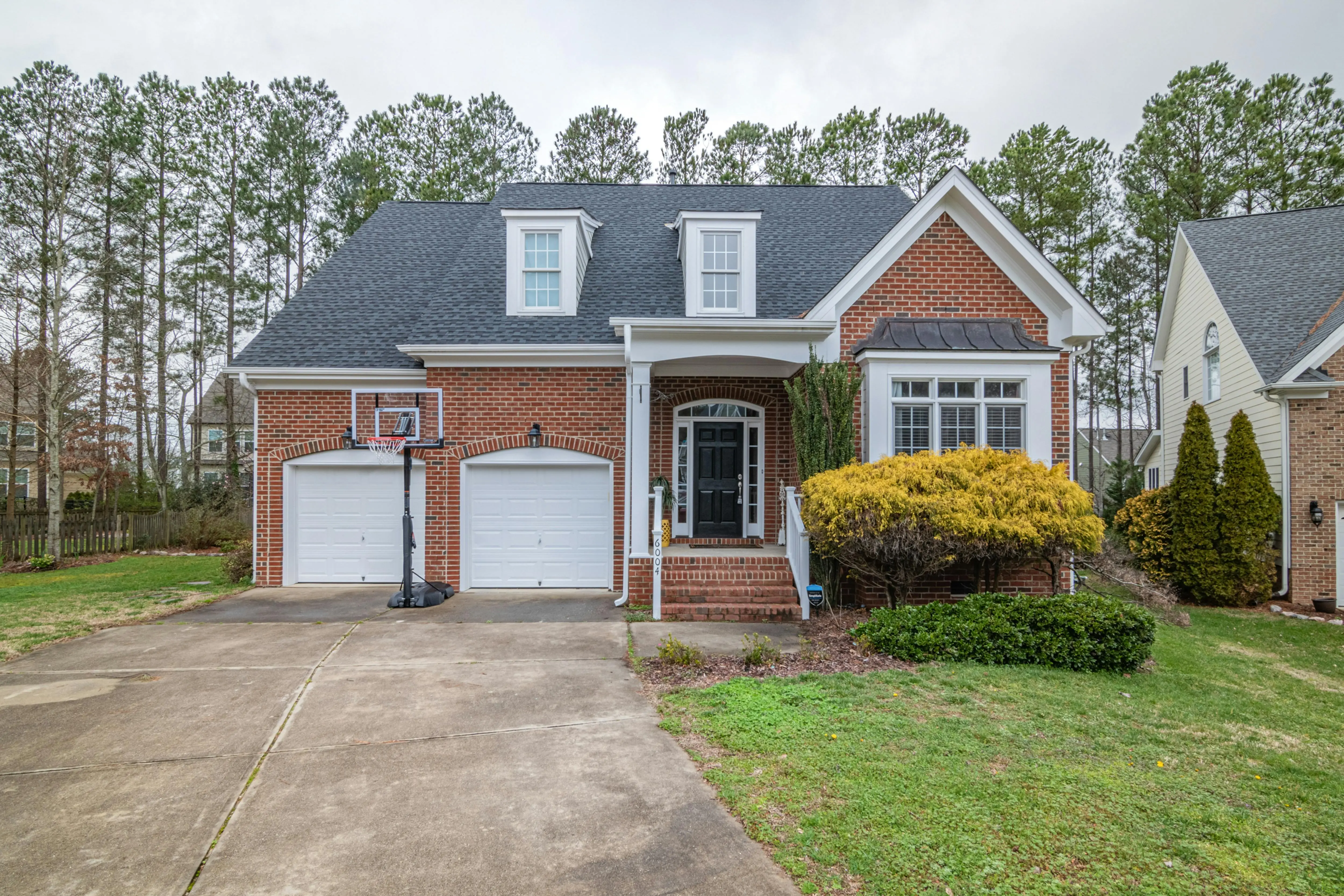
What a Driveway Remediation Plan Really Means
A Driveway Remediation Plan is the step-by-step game plan that turns a failing driveway—cracked, sunken, or draining poorly—into a safe, good-looking surface that adds curb appeal and protects your vehicles. Think of it as a home-improvement blueprint: you diagnose first, budget second, and repair third, so you don’t waste money on quick fixes that fail the first freeze-thaw cycle.
Top Warning Signs Your Driveway Needs Remediation
Driveways talk—if you know what to listen for. Catch problems early and your remediation plan stays cheap and simple. Ignore them and you’ll be budgeting for full replacement.
Alligator Cracks
Interconnected cracks that look like reptile skin mean the base is shifting or water is trapped underneath. Sealant alone won’t work; you need patch-and-level work.
Two-Inch-Plus Settlement
When one section drops more than a couple of inches, soil erosion or poor compaction is the culprit. Mud-jacking or slab-jacking can lift concrete; asphalt needs infrared patching or full-depth removal.
Persistent Puddles
Standing water 24 hours after a storm signals incorrect slope or clogged drainage. Left alone, freeze-thaw cycles widen cracks every winter.
Edge Break-Off
If the outer 6–12 inches crumble, your driveway lacks proper shoulder support. A wider gravel edge or concrete curb stops further breakage.
DIY Diagnostic Steps Before You Call a Pro
Spend 30 minutes on these checks and you’ll speak the same language as contractors, eliminating upsell pitches you don’t need.
- Photograph everything. Shoot close-ups of cracks, wide shots for perspective, and a short video after rain to show water flow.
- Measure crack width and depth. Use a nickel (1.95 mm thick) as a gauge. Cracks wider than ¼ inch usually need routing and filling, not surface sealer.
- Check slope with a 4-foot level. A 2 % grade (¼ inch per foot) away from the garage is the minimum. Less than that = drainage rework.
- Sound test concrete. Drag a heavy chain; hollow sounds indicate delamination or voids below.
- Mark problem areas. Spray-paint circles so you can track growth over a few weeks and share clear visuals with estimators.
Choosing the Right Fix: Patch, Overlay, or Replace?
Your Driveway Remediation Plan hinges on matching the repair method to the damage level. Below is a cheat sheet Drivewayz crews use on 90 % of jobs.
Surface Patch (Less Than 15 % Damage)
- Asphalt: Infrared heat weld blends new asphalt into old; seamless and cheap.
- Concrete: Polymer-modified patch compound troweled into routed cracks.
Structural Overlay (15–40 % Damage)
- Concrete: 1½-inch bonded overlay with fiber mesh and control joints saw-cut every 10 feet.
- Asphalt: 1–1½ inch mill-and-fill after milling the top layer for adhesion.
Full-Depth Removal (Over 40 % Damage)
- Remove to base, re-compact sub-grade, add geo-textile fabric, then repave. Only option when subsidence exceeds 3 inches or base stone is contaminated with clay.
Drainage Upgrades That Save the Whole Driveway
Water is enemy #1. Even perfect patches fail if you skip drainage. Include at least one of these in your plan:
Channel Drain Across the Garage Door
A 6-inch-wide trench drain catches roof runoff before it hits the slab. Install with a 4 % slope to the outlet and flush-out port for yearly maintenance.
French Drain Along the Side
Perforated pipe in a gravel-filled trench intercepts subsurface water. Line with sock fabric to stop silt clogging.
Crowned Surface or Swale
For long driveways, crown the center ¼ inch per foot so water sheds left and right into a grass swale. Seed swale with deep-root fescue to prevent erosion.
Typical Cost Ranges in 2024 (National Averages)
Prices swing 20 % by region, but these ballparks let you sanity-check quotes:
- Infrared asphalt patch: $3–$5 per square foot
- Concrete mud-jacking: $6–$9 per square foot lifted
- Thin asphalt overlay: $2.50–$4 per square foot
- Concrete overlay bonded: $7–$10 per square foot
- Full asphalt replacement: $4–$7 per square foot
- Full concrete replacement: $9–$14 per square foot
- Channel drain (12 ft length): $800–$1,200 installed
Tip: Get three itemized bids. Ask for line items like “Saw-cut perimeter” or “Tack coat” so you can compare apples to apples.
Permits, HOA Rules, & Utility Locates
Nothing stalls a remediation plan faster than a red-tag from the city or an angry HOA letter.
City Permit
Most towns require a permit if you alter the curb cut, add a drain tying to the storm sewer, or replace more than 50 % of the surface. Fees run $50–$250 and inspection is usually next-day.
HOA Approval
Submit color samples and a drainage diagram. Some HOAs mandate specific shade ranges or paver borders. Approval can take 30 days, so build that into your timeline.
811 Utility Locate
Call 811 at least three business days before breaking ground. Gas and fiber lines often run under the first 5 feet of your driveway apron.
Best Season to Execute Your Plan
Weather determines how well new asphalt or concrete cures.
Asphalt
Ambient temp ≥ 50 °F and rising, no rain 24 hours before or after. In most states that’s April–October. September is ideal: hot days, cool nights, less humidity.
Concrete
50–80 °F with overcast skies reduces rapid surface drying. Avoid July if temps top 90 °F unless the crew uses evaporation retarder and windbreaks.
Sealcoating (Final Step)
Wait 6–12 months on new asphalt so oils oxidize. Apply when overnight lows stay above 50 °F for two nights running.
Post-Remediation Maintenance Schedule
Protect your investment and you’ll double the life of the fix.
- Month 1: Visual check for hairline cracks; mark with chalk.
- Quarterly: Blow or broom off debris; oil stains get a squirt of degreaser.
- Year 1: Fill any cracks ≤ ¼ inch with polyurethane sealant.
- Year 2: Apply high-solids sealcoat; hire a spray-not-brush crew for even film.
- Year 5: Re-slope gravel shoulders; add ½ inch crusher run if edges feather away.
Frequently Asked Questions
Yes, phased work is common. Tackle the worst section first to stop water infiltration, then budget for the rest within 12 months. Just be sure the contractor cold-planes a straight joint and applies a tack coat so the new asphalt bonds seamlessly to the old.
Standard homeowners policies exclude wear-and-tear, but if a covered peril like a tree falling or a utility water-main break caused the damage, your policy may pay for repair minus your deductible. Document with photos and the utility incident report.
Foot traffic: 24 hours. Car traffic: 48–72 hours depending on temperature. Hot sunny days soften fresh asphalt; wait an extra day if temps top 85 °F. Concrete needs 7 days for vehicle load, 28 days for heavy trucks.
Absolutely. Overlays reuse the existing base, cutting landfill waste by 60–80 %. Ask your contractor if they mill and recycle the old asphalt on-site; many plants accept it at a reduced disposal fee and turn it into new hot-mix.