
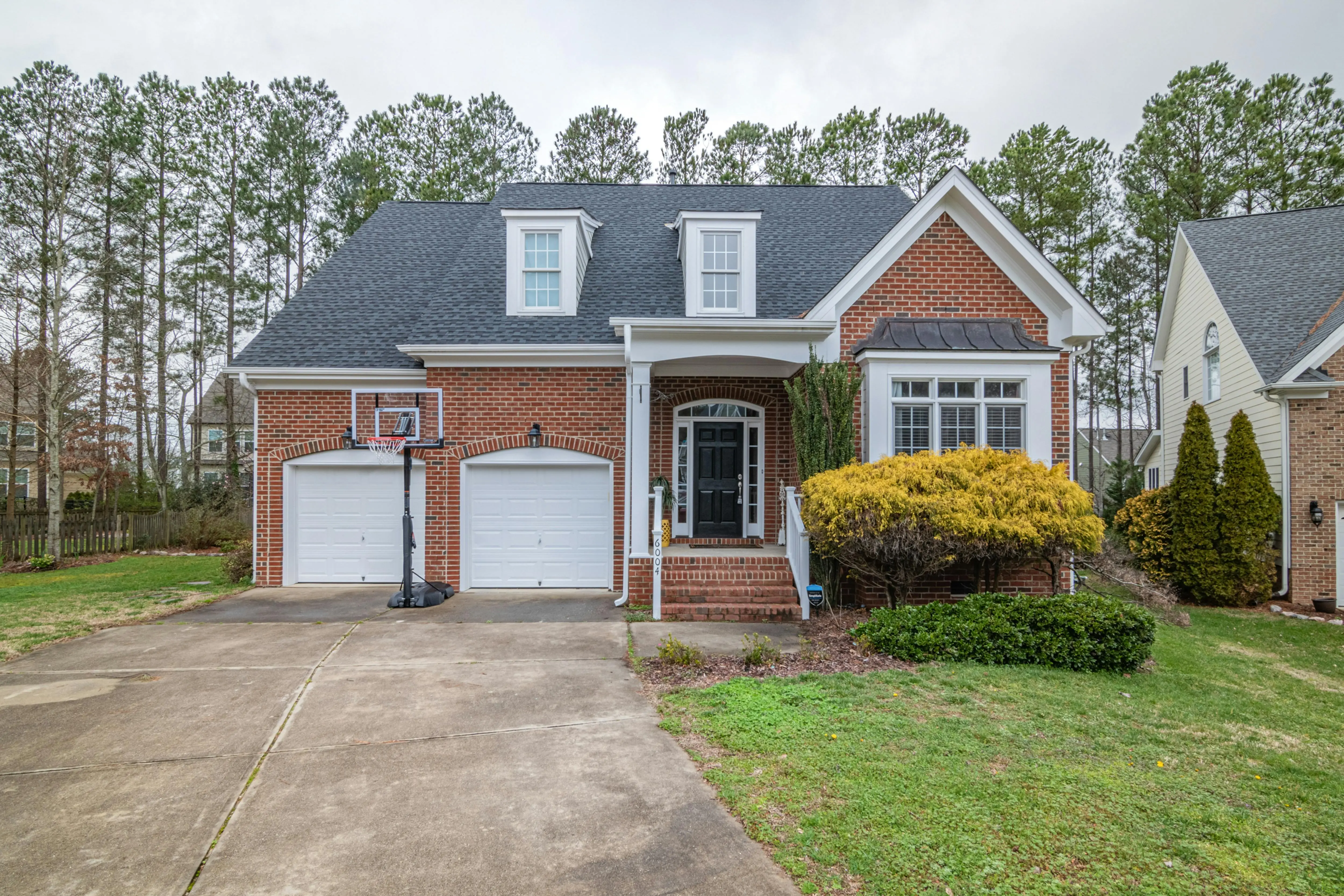
Driveway Project Timeline Overview
Installing or replacing a driveway is one of the fastest ways to boost curb appeal and daily convenience. Yet most homeowners underestimate how long the process takes from first sketch to final seal-coat. A realistic Driveway Project Timeline prevents weather surprises, material delays, and costly change orders.
The average asphalt or concrete driveway in the U.S. moves from planning to parked cars in 4–8 weeks. Custom paver or heated driveways can stretch to 10–14 weeks. Below is a week-by-week roadmap you can adapt to your climate, budget, and chosen material.
1. Pre-Planning: 1–2 Weeks Before You Call a Contractor
Create a Needs & Wants List
- Number of vehicles you park nightly
- RV, boat, or trailer storage
- Snow-plow friendly edges (no protruding pavers)
- Future basketball hoop or extra turnaround
Measure & Photo the Site
Use a tape measure and Google Earth to capture rough square footage. Snap photos of problem areas: potholes, downspouts, large tree roots, overhead wires, or steep grades. Contractors quote faster when you supply visuals.
Check HOA & City Rules
HOAs often limit color, width, or percentage of impervious surface. Cities may require a right-of-way permit if any portion sits over sidewalks or utility easements. Starting early prevents redesign fees later.
2. Design & Material Selection: Week 1
Compare the “Big Three” Materials
| Material | Avg. $ / sq ft (installed) | Cure / Set Time | Typical Life |
|---|---|---|---|
| Asphalt | $3–$5 | 2–3 days before light use; 14 days before sealing | 15–20 yrs |
| Concrete | $5–$8 | 7 days before light vehicles; 28 days full cure | 25–30 yrs |
| Interlocking Pavers | $8–$14 | Same-day use after poly-sand sweep | 30–40 yrs |
Choose a Base & Edge Style
A 6-inch compacted gravel base is standard for passenger cars; 8–10 inches supports delivery trucks. Decorative brick or concrete edging keeps asphalt from raveling and pavers from drifting.
3. Permits & Approvals: Weeks 1–2
Submit Simple Plans to the City
Many municipalities accept a hand-drawn site plan showing property lines, sidewalk, and proposed pavement outline. Include the storm-water direction arrow. Online portals often approve in 3–5 business days.
Schedule Utility Locates
Dial 811 or submit online. Gas, power, and cable crews must mark lines within 2–3 business days. You cannot legally begin excavation until flags are in place.
HOA Architectural Review
Some boards meet only monthly. Miss the deadline and you wait another 30 days. Send renderings early.
4. Contractor Selection: Weeks 2–3
Get 3 Itemized Quotes
Ask each contractor to break out:
- Demolition & haul-off
- Base installation & compaction passes
- Paving or pouring days
- Sealing or finishing
- Warranty terms
Verify Insurance & Bond
Request a Certificate of Insurance emailed directly from the agent. Minimum $1 M general liability plus workers’ comp. A surety bond protects you if the vendor disappears mid-project.
Read the Schedule Fine Print
Look for phrases like “weather permitting” and “as soon as possible.” Insist on a not-later-than date with a per-day penalty for delays not caused by weather.
5. Site Preparation: Week 4
Remove Old Pavement & Vegetation
A mini-excavator and skid-steer typically finish a 600 sq ft driveway in half a day. Rebar or wire mesh in old concrete slows progress; budget an extra labor hour per 50 ft.
Grade for Positive Drainage
Minimum 1% slope (1/8 inch per foot) away from the garage. Use a laser level to confirm; puddles lead to freeze-thaw damage and void warranties.
Install Geotextile Fabric (Optional but Smart)
Fabric prevents gravel from migrating into sub-soil, cutting future potholes by up to 50%. Cost: ≈ $0.35 / sq ft.
6. Base Installation & Compaction: Week 4–5
Layer and Compact in Lifts
Add crushed limestone in 3-inch lifts. A plate compactor handles the top layers; a reversible roller is needed for depths over 6 inches. Require a Proctor density test of 95%—get the printout for your records.
Edge Restraints & Forms
For concrete, stake 2×4 or metal forms every 3 ft. For pavers, install plastic or concrete edge restraints before sand so they’re locked by the base.
7. Paving, Pouring, or Laying: Week 5–6
Asphalt: One Day, Two Passes
Crews arrive early while asphalt is still 275–300 °F at the plant. A base course (2 in) is laid first, then a surface course (1.5 in). Rolling must finish before temps drop below 175 °F to achieve proper density.
Concrete: One Pour, One Finish
Order 5–7% extra to avoid a cold joint. Control joints should be cut 6–12 hours after pour, or next-day for decorative stamped concrete. Mist-cure for 3 days in temps above 85 °F.
Pavers: Lay, Cut, Sweep
Expect 400–600 sq ft per day for a 3-person crew. A wet saw is rented on-site for edge cuts. Polymeric sand is swept in, then plate-compacted to fill joints; excess is blown off before misting.
8. Curing, Sealing & Clean-Up: Week 6–7
Asphalt Sealer Timeline
Wait 90 days for oxidation to occur, then apply one coat of coal-tar or asphalt-emulsion sealer. Re-seal every 3–5 years.
Concrete Cure & Seal
A clear acrylic cure-and-seal can be sprayed the same day for curing, then buffed off after 28 days. Re-apply every 2–3 years for salt protection.
Paver Sealer (Optional)
Enhances color and blocks oil stains. Apply 60 days after installation so efflorescence can bloom and be swept away.
9. Final Inspection & Warranty: Week 7–8
Punch-List Walk-Through
Bring a notebook and chalk. Mark:
- Hairline cracks wider than 1/8 inch
- Low spots that puddle after rain
- Edge chips or uneven joints
Written Warranty
Standard is 1 year on workmanship and 5 years on structural integrity. Keep a PDF copy; email it to yourself so it’s searchable.
How Weather Changes Your Driveway Project Timeline
Asphalt Needs Warm, Dry Days
Installs require air temps ≥ 50 °F and rising. A week of rain can push the job 10–14 days.
Concrete Can Handle Cool, Not Cold
40 °F minimum day and night. Contractors use heated blankets or calcium accelerators, but that adds $0.75 / sq ft.
Pavers Are the Most Flexible
Light rain won’t hurt poly-sand installation if the base is covered. Snow is still a no-go.
DIY vs. Pro Timeline Comparison
| Task | DIY Days (1–2 people) | Pro Days (Crew of 4–6) |
|---|---|---|
| Demolition | 2–3 | 0.5 |
| Base install | 3–4 | 1 |
| Paving/Pouring | 2–3 | 1 |
| Cure/Seal wait | Same | Same |
DIY saves roughly 40% in cash but adds 2–3 weeks in calendar time—worth it for small paver patios, less so for full driveways.
Top 5 Tips for Staying on Track
- Order materials before permits clear. Lumber yards will “yard hold” crushed stone for up to 2 weeks, locking in price.
- Sync the concrete truck arrival with your rebar inspection to avoid a $200/hr standby fee.
- Keep 10% contingency cash for hidden soft spots that need extra base.
- Plan landscaping after paving. Heavy trucks can scuff new edges; do lawns and irrigation last.
- Document each stage with photos. Helps with warranty claims and future property sale disclosures.
Frequently Asked Questions
Asphalt: 2–3 days for passenger cars, 7 days for heavy trucks. Concrete: 7 days for cars, 28 days for RVs or dumpsters. Pavers: same day after poly-sand sweep and blow-off.
Only with heated enclosures or switching to pavers. Asphalt and concrete require ambient temps above 40–50 °F for proper curing. Expect 2–4 week delays in northern climates December–February.
- Waiting on city permits or HOA approvals
- Weather (rain, cold, snow)
- Hidden utility conflicts or soft soil requiring extra base
- Material shortages—especially concrete during spring building booms
No. Asphalt needs 90 days to oxidize and release light oils; concrete needs 28 days to reach design strength. Sealing too early traps moisture and can cause surface peeling.