
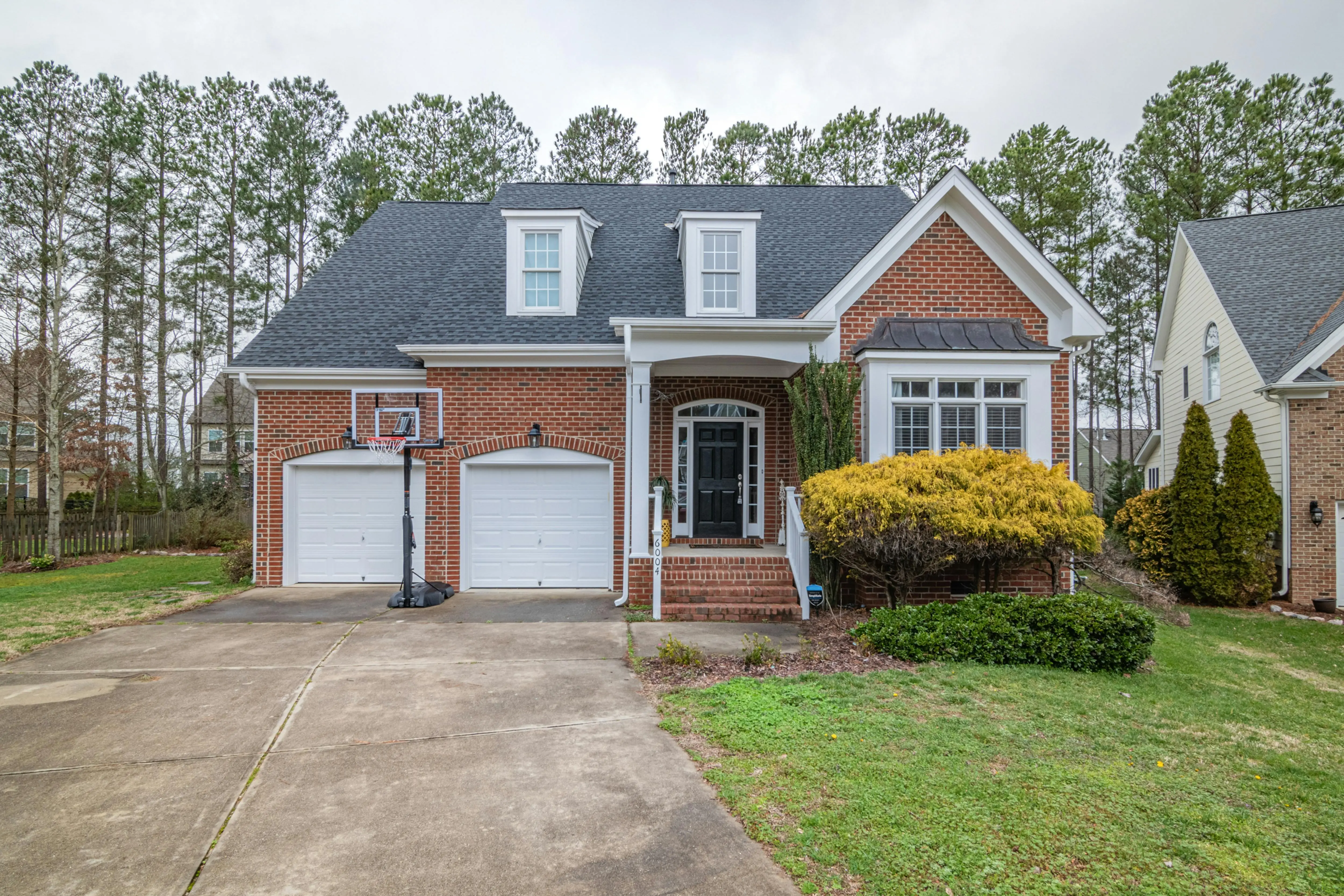
What “Driveway Product Innovation” Really Means for Your Home
Driveway product innovation is more than a buzz-word—it’s the fastest way to get a surface that looks custom, lasts decades, and shrinks weekend maintenance. Today’s materials borrow technologies from aerospace, plastics recycling, and even smartphone glass. The result? Driveways that flex in winter, reflect heat in July, and can be installed in a day instead of a week.
In this guide you’ll see what’s actually available right now, what still belongs in the lab, and how to pick the upgrade that pays you back when you sell.
Next-Gen Materials You Can Order Today
1. Recycled Plastic–Modified Asphalt (PMA)
Think of it as asphalt 2.0. Post-consumer plastic (grocery bags, bottle caps) is pelletized and melted into the liquid asphalt binder. The plastic increases elasticity, so the mat resists cracking at -10 °F. Early tests on Minnesota roads show 40 % fewer potholes after five winters.
- Best for: Cold-climate driveways under 1,000 ft².
- Color choice: Standard black only, but sealcoat can be tinted charcoal or dark green.
- DIY tip: Ask the plant for a “plastic content certificate”; 6–8 % by weight is the sweet spot.
2. Fiber-Reinforced Concrete (FRC) with CO₂ Sequestration
Liquid CO₂ is injected during mixing; it mineralizes and actually strengthens the slab while reducing the carbon footprint by 20 %. Micro-polypropylene fibers stop hairline cracks before they reach the surface.
- Best for: Modern homes that want a brushed or exposed-aggregate finish.
- Maintenance: Re-seal every 5 years instead of the usual 3.
3. Resin-Bound Aggregate with UV-Stable Aliphatic Binder
A two-part aliphatic resin is mixed with washed stone on-site, then troweled 18 mm thick over an existing concrete or compacted recycled-gravel base. The finish is porous (SUDS compliant), so puddles disappear and your local storm-water fee can drop.
- Color palette: 48 standard blends—from Dorset Pearl to Black Basalt.
- Pro hack: Request a “double broadcast” of extra aggregate on top; it adds slip resistance for sloped drives.
4. Porcelain Pavers (20 mm)
Originally created for rooftop decks, these ¾-inch porcelain slabs now survive 30-ton trucks. Ink-jet printing gives you marble, terrazzo, or barn-wood looks with zero water absorption (freeze-thaw-proof).
- Sub-base: Use open-graded ¾-inch crushed stone plus a geogrid; porcelain needs drainage, not a mortar bed.
- Edge restraint: Snap-edge aluminum spikes every 8 inches; porcelain is slippery underfoot if it drifts.
5. Graphene-Enhanced Sealer
A clear top-coat infused with microscopic graphene platelets. The result: 200 % better abrasion resistance and a satin finish that darkens asphalt just enough to look new, not greasy.
- Dry time: Foot traffic in 30 minutes, car traffic in 3 hours—half of traditional latex sealers.
- Coverage: One 5-gal pail does 350 ft² in two thin passes.
Installation Methods That Cut Labor in Half
Heated Mat System (Electric & Hydronic)
Rolled carbon-fiber mesh is laid directly on compacted gravel, then covered with 1½-inch asphalt. A Wi-Fi thermostat tracks snow depth via outdoor sensor; energy use averages $0.25 per 100 ft² per hour of snowfall. Installation time: 4 hours on a 20 × 20 ft driveway.
“Click-Grid” Permeable Pavers
High-density polyethylene grids snap together like LEGO, then are filled with either gravel or grass. Each 24 × 24 in panel weighs 2 lb, so a two-person crew can lay 1,000 ft² before lunch. Compression strength: 70,000 lb/ft²—enough for a UPS delivery van.
Infrared Thermal Bonding
An infrared heater softens the top ¾-inch of existing asphalt to 300 °F; new polymer-modified mix is blended in, raked level, and compacted. No saw-cut joints, no cold seams, and the patch oxidizes at the same rate as the original surface. Perfect for eroded apron areas.
Smart-Tech Add-Ons That Impress Buyers
Color-Changing LED Edge Lights
Low-voltage 12-V strips are embedded in a milled groove along the apron, then sealed with flexible epoxy. App-controlled colors let you switch from cool white for curb appeal to team colors on game night. Transformer mounts in the garage—no trenching to the house.
Solar-Reflective Chippings
White ceramic granules are broadcast into fresh sealcoat; Solar Reflectance Index jumps from 5 (standard black) to 35. On a 90 °F day, surface temperature drops 12 °F, reducing thermal fatigue and keeping the garage cooler.
Embedded EV Charging Strip
A 2-inch-thick rubber conduit with two 240-V cables is laid under the final asphalt lift. When you buy an EV next year, the electrician simply pulls the wire and mounts a bollard charger—no jack-hammering required. Cost at time of driveway install: ~$4 per linear foot vs. $25 retroactively.
Ballpark Costs & ROI Snapshot
Prices include tear-out, new base, and local permits. Add 10 % for curves or steep grades.
| Material | $ / ft² | Life Span | Resale Recovery* |
|---|---|---|---|
| Plastic-Modified Asphalt | $4 – $6 | 25 yrs | 70 % |
| Fiber CO₂ Concrete | $9 – $11 | 35 yrs | 75 % |
| Resin-Bound Aggregate | $10 – $14 | 21 yrs | 68 % |
| 20 mm Porcelain Pavers | $16 – $20 | 30 yrs | 80 % |
*National average from 2023 Remodeling Impact Report.
How to Choose the Right Innovation for Your Home
Step 1: Audit Your Climate
- Freeze-thaw zone: Stick with PMA or FRC; avoid standard resin if you see 50+ freeze cycles yearly.
- Desert Southwest: Solar-reflective sealers and porcelain pavers reduce heat island fines (some cities now levy fees for dark asphalt).
Step 2: Match Your Home Style
- Craftsman bungalow: Warm gray resin-bound aggregate complements fieldstone foundations.
- Modern farmhouse: Matte-white porcelain planks create a clean contrast against board-and-batten siding.
Step 3: Ask Contractors These 3 Questions
- “Can you supply third-party test data for compressive strength at 28 days?”
- “Do you use a bonded or un-bonded base layer—and why?”
- “What’s your thermal-cycle warranty clause for heated systems?”
Low-Maintenance Playbook
- Spring: Pressure-wash at 1,200 psi; inspect joint sand in porcelain or pavers and top up polymeric sand where missing.
- Summer: Reapply graphene sealer every 4 years; mark your calendar when you renew your HVAC filter.
- Fall: Use a plastic shovel on heated drives; metal edges can slice the carbon-fiber mesh.
- Winter: Calcium-magnesium acetate (CMA) ice melt is safe for all new surfaces—avoid rock salt on resin and porcelain.
FAQ: Driveway Product Innovation
An electric mat system costs about $0.25 per 100 ft² per hour during active snowfall. In Chicago, a typical 600 ft² drive uses roughly $75 in electricity per winter—less than one visit from a plow service.
Yes, if the existing slab is structurally sound and has minimal cracks wider than ⅛ inch. A primer coat of epoxy binder is rolled on first to create a mechanical bond. Any major heaving or settling should be mud-jacked beforehand.
When installed at 20 mm thickness and a 3 mm joint, porcelain meets ASTM C1782 for vehicular loads. Set the plow blade ½ inch above the surface and use a poly or rubber cutting edge for extra protection.
Independent lifecycle studies show a 22 % drop in CO₂ because the plastic replaces part of the oil-based binder. The mix is also 100 % recyclable at end-of-life; millings can go right back into the next driveway.