
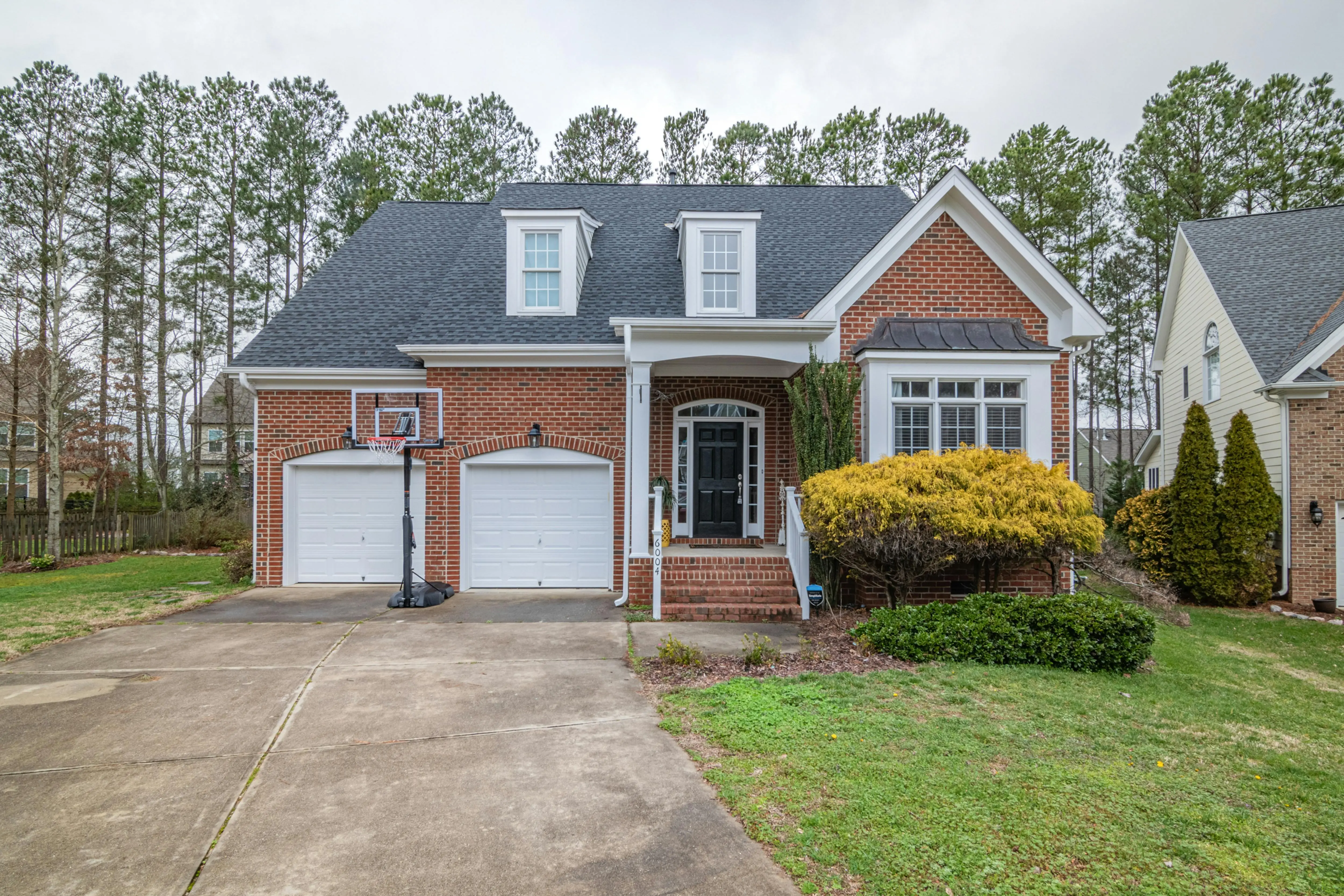
Why Driveway Power Washing Matters
A clean driveway is the first thing guests notice—and the first surface you drive over every day. Beyond curb appeal, driveway power washing removes slippery algae, corrosive road salts, and embedded oils that shorten concrete and asphalt life. In under two hours you can blast away years of grime, boost home value, and create a safer walkway for family and visitors.
Top Benefits of Driveway Power Washing
1. Instant Curb Appeal
A bright, stain-free driveway frames your entire property listing photo. Realtors report up to $10,000 higher perceived value on homes with well-maintained hardscape.
2. Safety First
Moss and mildew turn flat concrete into a slip hazard. Pressure washing strips the green film, reducing fall risk and liability.
3. Prevent Costly Repairs
Grit and oil trap moisture, freeze, and expand—creating hairline cracks that blossom into potholes. Annual cleaning can double driveway lifespan.
4. Eco-Friendly Prep
Removing grime before sealing means fewer chemicals later. A clean surface also reflects heat, lowering surrounding temperatures in summer.
Choosing the Right Equipment
Gas vs. Electric Pressure Washers
- Gas: 2,800–4,000 PSI, 2.5–4 GPM—ideal for large concrete drives. Louder, heavier, requires fuel stabilizer.
- Electric: 1,300–2,300 PSI, 1.2–2 GPM—great for small pavers or quick rinses. Quieter, lighter, limited by cord length.
Nozzle Color Code Cheat-Sheet
Match nozzle to surface hardness:
- 25° (green): General concrete—fan width balances power and coverage.
- 15° (yellow): Stubborn tire marks—use at a 45° angle to avoid etching.
- 40° (white): Older asphalt or stamped patterns—wider fan prevents gouging.
- 65° (black): Soap application—low pressure for detergent dwell time.
Surface Cleaners vs. Wand
A 12–20" surface cleaner cuts cleaning time by 70% and leaves uniform streak-free swirls. Cost: $60–$150 rental, worth it for 500 sq ft plus drives.
Pre-Cleaning Checklist
Clear & Protect
- Move vehicles, toys, and planter pots.
- Spray nearby plants with water; cover delicate shrubs with plastic sheeting to shield from runoff.
- Close windows and doors; remove door mats that could trap bleach overspray.
Spot-Treat Stains
Oil drips: sprinkle cheap clay kitty litter overnight, sweep, then coat with biodegradable degreaser. Rust: apply oxalic acid gel for 10 min, scrub lightly.
Check Weather
Ideal window: 50–80 °F, overcast, no wind. Hot sun dries soap too fast; rain dilutes detergent.
Step-by-Step Driveway Power Washing
Step 1: Apply Detergent
Use a concrete-specific soap with mild bleach. Downstream inject or use black nozzle. Work in 10 × 10 ft sections from the house outward to avoid walking on clean areas.
Step 2: Dwell Time
Let soap sit 5–7 min—never allow it to dry. Mist lightly if edges start turning white.
Step 3: Main Wash
Attach 25° nozzle, hold 8–12 in from surface. Use overlapping sweeps like mowing grass. For heavily soiled commercial drives, make a second pass at 15°.
Step 4: Rinse & Inspect
Switch to 40° nozzle and flush residue toward the street (check local storm-drain rules). Look for missed streaks; touch-up before packing gear.
Step 5: Post-Treat (Optional)
While still damp, spray a 1:1 vinegar-water mix on white efflorescence stains. Rinse after 2 min.
Stubborn Stain Removal Guide
Tire Marks
Heat from spinning tires melts polymers into concrete. Pre-treat with a citrus-based tar remover, agitate with a stiff broom, then power wash at 15°.
Mold & Mildew
Mix 1 cup household bleach per gallon of water plus 1 tsp dish soap. Apply, dwell 10 min, rinse on low pressure. Wear goggles and gloves.
Fertilizer Rust
Iron pellets leave orange dots. Use powdered oxalic acid (wood bleach) paste; cover with plastic for 15 min, scrub, rinse.
Hard-Water Deposits
White haze from sprinklers dissolves with a 4:1 water:muriatic acid mix. Add acid to water, not vice versa. Neutralize with baking soda, rinse thoroughly.
Should You Seal After Power Washing?
Concrete Sealers
Penetrating silane-siloxane sealers soak in and guard against freeze-thaw cycles for 7–10 years. Film-forming acrylics add gloss but need re-coat every 2–3 years.
Asphalt Sealers
Coal-tar or asphalt-emulsion sealers restore black color and fill micro-cracks. Wait 24 hrs after power washing; humidity below 60 % ensures adhesion.
DIY vs. Pro Sealing
Material cost for a 600 sq ft drive: $70 DIY, $250–$400 pro. Pros spray two thin coats evenly and offer 1-year workmanship warranty.
Typical Driveway Power Washing Costs
National Averages
- Up to 600 sq ft: $120–$180
- Two-car (700 sq ft): $180–$250
- Three-car (1,000 sq ft): $250–$350
What Affects Price
- Degree of staining—heavy oil or rust adds $50–$100.
- Geographic region—coastal cities 15 % higher than Midwest.
- Accessibility—steep grades or limited hose reach may incur surcharge.
- Sealing add-on—$0.15–$0.25 per sq ft for penetrating, $0.30–$0.45 for acrylic gloss.
7 Common DIY Mistakes to Avoid
1. Using Too Much Pressure
Exceeding 3,000 PSI on asphalt or old concrete can etch permanent lines. Start low, test corner.
2. Wrong Nozzle
Zero-degree (red) pencil jet cuts control joints and expansion foam—never use on flatwork.
3. Skipping Detergent
Water alone removes loose dirt but leaves hydrophobic oil films. Soap emulsifies grease for complete lift.
4. Washing in Circles
Random arcs create tiger stripes. Work in straight, even passes with 50 % overlap.
5. Ignoring Drainage Rules
Many municipalities prohibit runoff into storm sewers. Use berms, vacuum recovery, or biodegradable soaps.
6. Sealcoat Too Soon
Trapped moisture causes white haze or peeling. Verify surface is bone-dry with plastic-sheet test (no condensation after 2 hrs).
7. Forgetting Safety Gear
High-pressure water can pierce skin. Wear closed-toe shoes, goggles, and never point wand at people or pets.
Eco-Friendly & Water-Saving Tips
Reuse Water Where Legal
Some pros use portable water reclaim systems that filter and recycle 80 % of wash water—ask your contractor.
Choose Phosphate-Free Soap
Look for EPA Safer Choice labels; they biodegrade within 10 days and won’t harm lawn.
Sweep First
Removing loose debris with a push broom cuts wash time and water use by 25 %.
Use a Broom + Rinse Combo
For lightly soiled drives, pretreat stains, scrub with a stiff broom, then quick-rinse at 1,500 PSI—saves 30 gal.
Maintenance Schedule to Stay Clean Longer
Spring
- Full driveway power washing.
- Fill cracks >¼ in with concrete or asphalt patch.
Summer
- Spot-clean grill oil or drink spills within 24 hrs using dish soap and hot water.
- Re-seal asphalt if fading appears.
Fall
- Blow off leaves weekly; tannins stain once wet.
- Apply penetrating sealer to concrete every 5 years.
Winter
- Use calcium magnesium acetate (CMA) ice melt—less corrosive than rock salt.
- Shovel promptly; metal blades can scrape sealcoat.
Frequently Asked Questions
For most homes, once a year is enough. If you live under heavy tree cover or on a dusty road, bump it to every 6–8 months. Always wash before sealing.
Not when you stay under 3,000 PSI and use a 25° nozzle. Avoid red zero-degree tips and keep the wand moving; lingering in one spot can etch the surface.
Yes. Big-box stores rent gas 3,000 PSI units for $60–$90 per day. Add $15 for a surface cleaner attachment. One day is typically enough for a 600 sq ft driveway if you start early.
Use only pet-safe, biodegradable detergents and rinse thoroughly. Keep animals off the surface until it’s completely dry; ingesting runoff water can upset their stomach.