
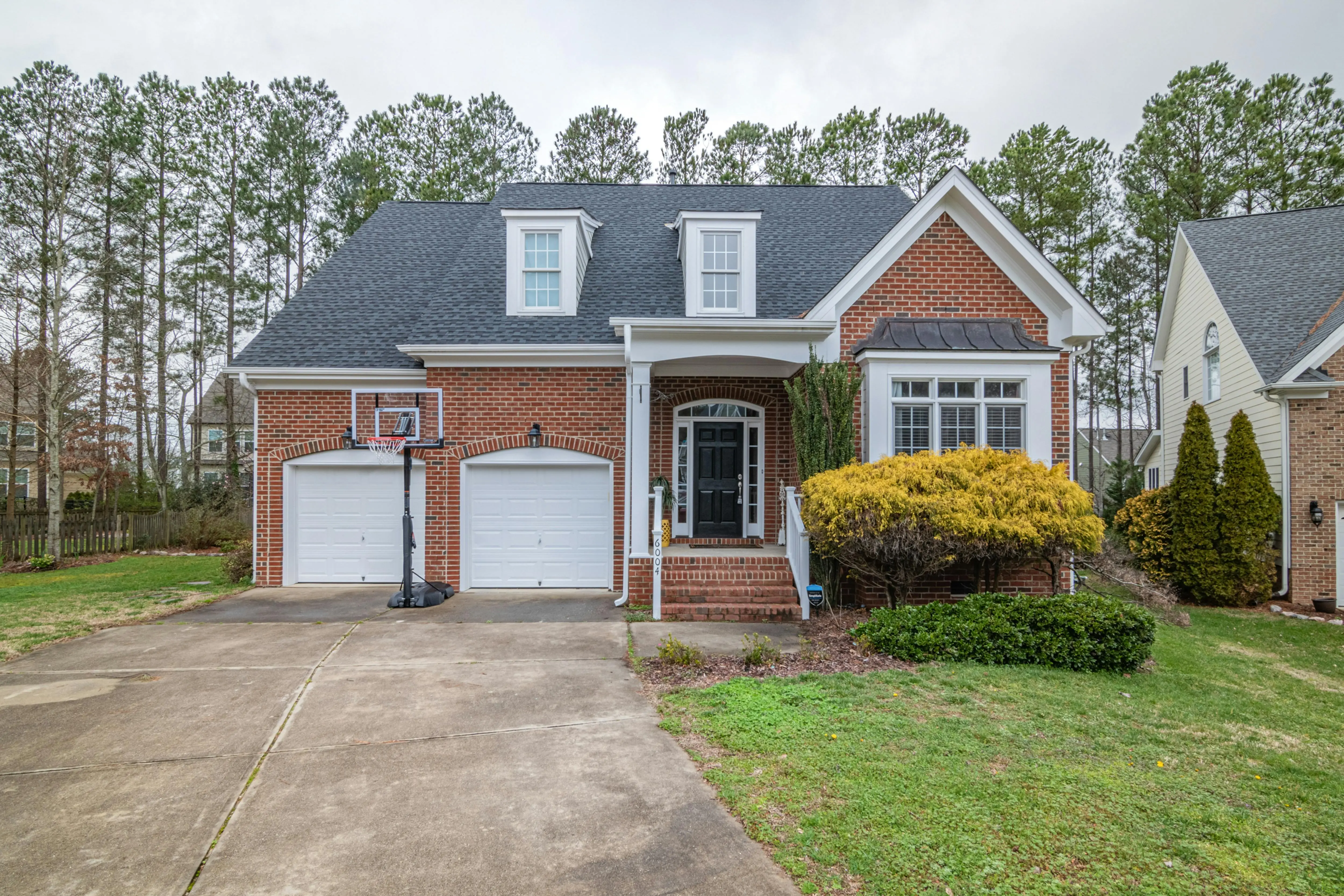
Why Driveway Power Washing Before Home Sale Matters
First impressions start at the curb. A stained, moss-covered driveway whispers “deferred maintenance” to every buyer who steps out of the car. A freshly power-washed surface, on the other hand, frames the home the way a clean mat frames a doorway—subtle but powerful.
Realtors® repeatedly tell us that listings with clean, crack-free driveways photograph better, show better, and often receive offers faster. The good news: driveway power washing is one of the cheapest pre-sale upgrades you can buy, typically costing less than a professional carpet cleaning for the entire house.
The Real ROI: Dollars, Days, and Perception
Typical Cost vs. Potential Gain
- Average residential driveway wash: $150–$300 (up to 1,000 sq ft)
- Median U.S. home price: $420,000
- Even a 1% bump in sale price equals $4,200—14× the washing cost
While no one item guarantees a price jump, a clean driveway supports higher perceived value and stronger photography, which shortens days-on-market. Less time on market usually equals fewer price reductions.
What the National Association of Realtors® Says
In its 2023 Remodeling Impact Report, exterior cleaning (roof, siding, and concrete) scored a 100% Cost vs. Value recovery—meaning every dollar spent was expected to come back at resale. Power washing is the cheapest subset of that category.
Buyer Psychology: The “Well-Maintained” Halo
Buyers don’t inspect methodically; they feel first and rationalize later. A sparkling driveway creates a halo effect: if the outside is cared for, the inside must be too. Conversely, oil spots and gray mildew plant doubt about the HVAC, roof, and plumbing.
Professional power washing removes:
- Black algae streaks that read as “roof runoff” problems
- Oil drips that suggest an old leaky beater in the garage
- Weeds in expansion joints that hint at foundation neglect
Erasing those clues calms the buyer’s risk voice—often worth far more than the few hundred you spend.
What Driveway Power Washing Actually Costs
Price Variables
- Size: $0.15–$0.25 per square foot is standard in most metro areas.
- Surface type: Smooth concrete is cheapest; aggregate, pavers, or stamped patterns take longer and cost 20–30% more.
- Stain severity: Heavy oil, rust, or fertilizer stains may need pretreatment ($25–$40 per stain).
- Geography: Coastal regions with mold growth or freeze-thaw markets with salt residue average 10% higher.
- Gutter runoff cleanup: Some municipalities require water recovery, adding $50–$75.
DIY vs. Professional
Renting a 3,500 PSI machine runs $70–$90 per day, plus $15 for fuel and $20 for chemicals. Factor in a half-day of labor and the risk of etching concrete or stripping joint sand. Most sellers decide the marginal $100–$150 savings isn’t worth a botched job days before listing photos.
When to Schedule the Wash
Ideal Timeline
- 6–8 weeks before listing: Inspect for cracks and schedule any sealing or repairs right after washing.
- 1–2 weeks before photos: Final wash so the concrete is spotless but not so fresh that it looks wet in drone shots.
- Day-before touch-up (optional): Quick rinse if pollen or dust storms strike.
Weather Considerations
Concrete should dry 24 hours before any sealant and 4–6 hours before open-house foot traffic. Avoid days below 45°F or above 95°F; chemicals evaporate too fast in blistering heat and can freeze in cold.
Choosing the Right Contractor
Must-Have Credentials
- Insured for both property damage and bodily injury ($1 M general liability)
- Surface cleaner attachment (not just a wand) to prevent tiger-striping
- Biodegradable, phosphate-free detergents approved for local storm-drain codes
- Before-and-after portfolio dated within the last 12 months
Questions to Ask
- “Do you reclaim runoff water if required?”
- “Will you re-sand my paver joints after washing?”
- “What PSI and tip size do you use for concrete?” (Anything over 3,500 PSI with a zero-degree tip can etch.)
DIY Quick Guide (If You’re Determined)
Equipment Checklist
- 3,000–3,500 PSI pressure washer, 2.5 GPM minimum flow
- 15-inch surface cleaner attachment
- 25-degree green tip for edges
- Concrete detergent with degreaser (look for “NSF” rating for runoff safety)
- Plastic sheeting to protect garage door and plants
- Wire brush for pre-treating oil spots with baking soda or oil-absorbing compound
Step-by-Step
- Sweep and blow off loose debris.
- Pre-wet neighboring grass and plants to dilute any overspray.
- Apply detergent from bottom up to avoid streaks; dwell 5–7 minutes, never let it dry.
- Pressure-wash in overlapping passes with the surface cleaner, keeping it flat.
- Rinse from top down, pushing dirty water toward the street drain.
- Post-treat tough stains with a specialized oil or rust remover; agitate with a stiff broom, rinse again.
- Allow 24 hours of cure time before applying any sealer or allowing car traffic.
Pro tip: Mark any cracks you notice during washing; they’re easier to see when the concrete is wet and you’ll need a clean surface for crack filler to bond.
Surface-Specific Advice
Plain Concrete
Most forgiving. Use 3,000 PSI, 25-degree tip, keep wand 12 inches away. Seal afterward to lock in the fresh look and protect from oil drips during showings.
Stamped or Colored Concrete
Lower PSI (2,000–2,500) and fan tip only; too much pressure removes release color. Apply a fresh coat of decorative sealer every 2–3 years to revive sheen.
Brick Pavers
Expect to re-sand joints after washing—polymeric sand is best. Hold surface cleaner at a slight angle so it doesn’t dig out joint material. Consider a matte “wet-look” sealer to make colors pop in listing photos.
Asphalt
Never use high PSI; it dislodges aggregate and causes pitting. Use a soft-wash system (low pressure + detergent) and a gentle rinse. Seal-coat after, not before, washing.
Common Mistakes That Kill ROI
- Over-washing: Annual washing is fine; monthly blasts erode cement paste and expose aggregate.
- Wrong nozzle: Zero-degree “laser” tips leave permanent lines—think zebra stripes on your driveway.
- Skipping prep: Oil stains need pretreatment; otherwise they look lighter but remain visible in photos.
- Ignoring city codes: Some regions restrict phosphates or require runoff recovery; fines run $250+.
- Same-day sealing: Trapping moisture causes white haze that’s impossible to photo-shop out.
Frequently Asked Questions
Most 2-car driveways (600–800 sq ft) take 45–60 minutes of actual cleaning. Add 15 minutes for setup and 15 for breakdown. Heavy staining or paver re-sanding can extend the job to 2 hours.
Yes, if you use pressure above 3,500 PSI, hold a zero-degree tip in one spot, or wash too soon after pouring (concrete needs 12 months to fully cure). Professionals use surface cleaners that diffuse pressure and prevent etching.
Sealing adds curb appeal and protects against fresh oil drips before showings. Use a breathable acrylic sealer on plain concrete; apply two thin coats 24 hours after washing. Budget an extra $0.50–$0.75 per sq ft if you hire it out.
When done correctly, yes. Reputable contractors use biodegradable, phosphate-free detergents and capture runoff where regulations require. Ask for a Safety Data Sheet (SDS) and verify compliance with local storm-water ordinances.