
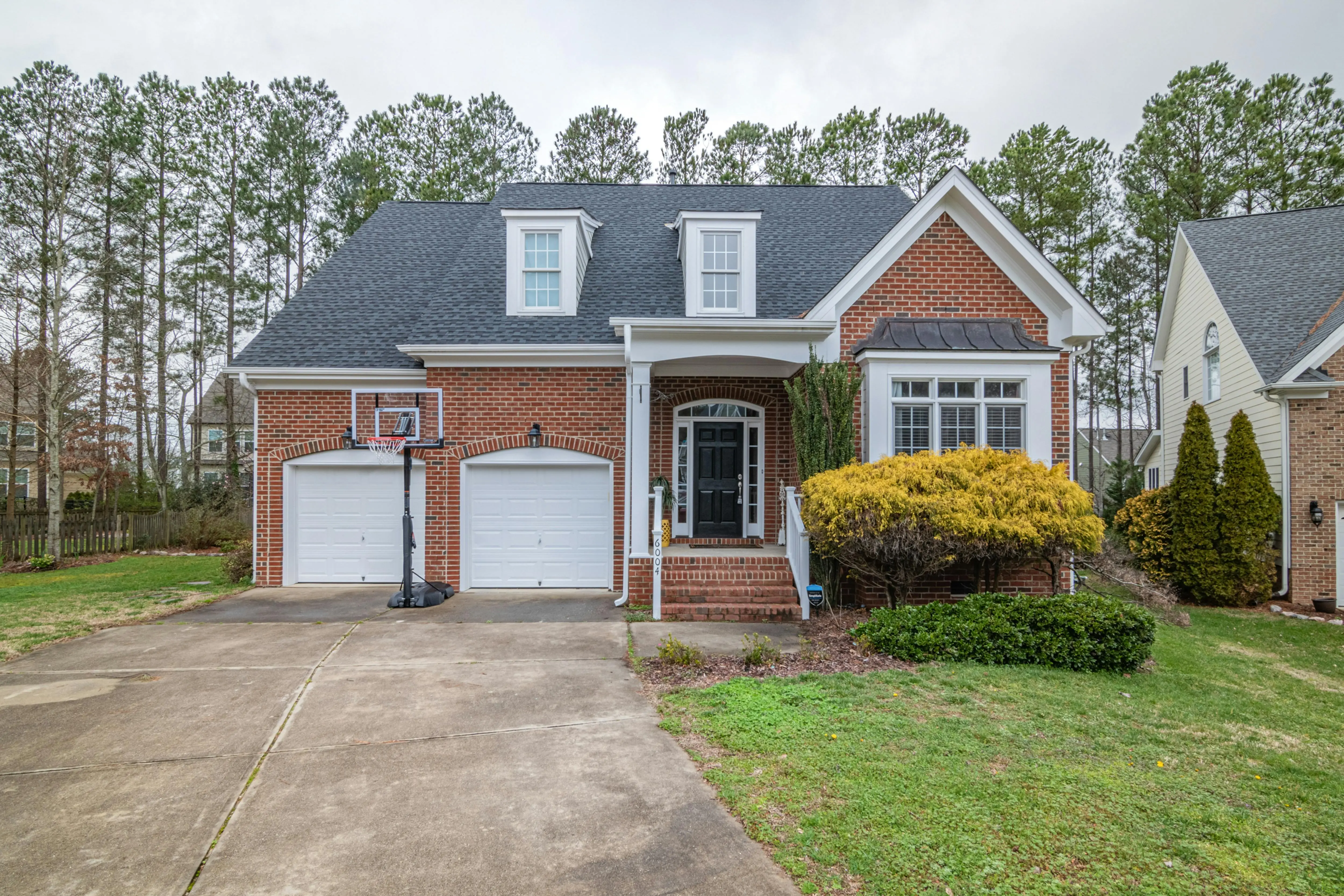
What Is Driveway Polyaspartic Coating?
Driveway polyaspartic coating is a next-generation protective finish that cures in as little as 30 minutes. Originally developed to protect steel on bridges, the technology has been refined for residential concrete. The result is a UV-stable, stain-resistant, high-gloss surface that can handle hot tires, road salt, and Midwest freeze-thaw cycles better than traditional sealers.
Because it cures so fast, most jobs are completed in one day—no more taping off the garage for a week while layers slowly dry. For busy households, that speed is a game-changer.
How Polyaspartic Coating Works on a Driveway
Polyaspartic is an aliphatic polyurea. In plain English: two liquid components are mixed on-site, triggering a chemical reaction that hardens into a flexible, plastic-like film. The reaction is exothermic, so temperature matters, but the coating can be installed in conditions as low as 32 °F or as high as 100 °F with the right formulation.
Penetration vs. Top-Coat Build
Unlike acrylic sealers that sit on the surface, polyaspartic penetrates the top 1–2 mm of concrete, then builds a 6–30 mil thick wear layer. This dual action locks out moisture and bonds so tightly that peeling is rare—even under heavy SUV traffic.
Fast-Cure Timeline
- Prime coat: 20–30 minutes
- Broadcast slip-resistant quartz or vinyl chips: immediately after prime
- Clear top-coat: 1 hour later
- Foot traffic: 2–4 hours
- Vehicle traffic: 12–24 hours
Key Benefits Homeowners Notice First
1-Day Installation
Weather windows in many states are short. A crew can start at 8 a.m. and have you parking on the driveway by dinner. Compare that to epoxy systems that need 48–72 hours of cure time.
UV Stability—No Yellowing
Epoxy turns amber under sunlight; polyaspartic contains UV blockers that keep the color true for decades. If your driveway gets afternoon sun, this matters.
Temperature Flexibility
Polyaspartic remains flexible down to –40 °F, so it expands and contracts with the concrete instead of cracking. That elasticity is why northern states with frequent freeze-thaw cycles are adopting it fast.
Chemical & Stain Resistance
Motor oil, fertilizer, red clay, and even brake fluid wipe off with a paper towel. The non-porous film stops salts used for de-icing from reaching the rebar inside the slab, reducing spalling.
Polyaspartic vs. Epoxy vs. Acrylic: Quick Comparison
| Feature | Polyaspartic | 100% Solids Epoxy | Acrylic Sealer |
|---|---|---|---|
| Cure time to vehicle traffic | 12–24 h | 48–72 h | 24–48 h |
| UV resistance | Excellent | Fair (ambering) | Poor |
| Hot-tire pickup | None | Rare | Common |
| Expected life | 15–20 yrs | 10–15 yrs | 1–3 yrs |
| Cost per sq ft (installed) | $4.50–$7.00 | $3.00–$5.00 | $0.50–$1.00 |
Preparation Steps That Make or Break the Job
Polyaspartic is forgiving, but it will not stick to a dirty, smooth slab. Professional prep follows these five steps:
1. Pressure-Wash & Degrease
Remove oil, tree sap, and previous sealers. Any residue left behind becomes a weak point.
2. Diamond Grind or Shot-Blast
A CSP-2 or CSP-3 profile (think 120-grit sandpaper texture) is mandatory. Renting a grinder from Home Depot costs about $150 per day, but pros use planetary grinders with HEPA vacuums to keep dust down.
3. Patch & Fill Cracks
Use a two-part polyurea patch compound—not cheap latex crack filler. It cures in 15 minutes and flexes with the slab.
4. Moisture Test
Tape a 2×2 ft plastic sheet to the concrete for 24 hours. If condensation forms on the underside, the slab needs a moisture-mitigating primer first.
5. Primer Application
A clear or tinted polyaspartic primer is rolled on at 4 mils thick. Broadcast slip-resistant media while the primer is still wet.
Color & Finish Options
Polyaspartic is clear by default, but pigments and decorative chips open up design choices:
- Solid color: Earth tones, slate gray, sandstone, brick red
- Color flake blend: 1/4” vinyl chips in custom mixes (tan/black/white is popular)
- Metallic swirl: Silver, copper, or deep blue for a high-end marble look
- Gloss level: High-gloss, satin, or matte clear top-coat
Remember: darker colors absorb heat and can make the surface hot to bare feet; choose lighter hues for pool decks or south-facing driveways.
Can You DIY Driveway Polyaspartic Coating?
Technically yes, realistically no. Here’s why:
Short Pot Life
Once mixed, the product gels in 10–15 minutes. A two-person crew is rolling and back-rolling non-stop. Amateurs often leave roller marks or worse—leave ridges that harden like plastic speed bumps.
Specialized Tools
- 220-volt planetary grinder ($2,500+)
- HEPA vacuum attachment ($600)
- Notched squeegees and spike shoes
Rental yards rarely carry the full kit.
Warranty Considerations
Manufacturers offer 10- to 20-year warranties only when the product is installed by a certified contractor. DIY voids that protection. In short, hire a pro for peace of mind.
Typical Driveway Polyaspartic Coating Costs in 2024
National average: $5.25 per square foot for a two-car driveway (600 sq ft = ~$3,150). Variables that swing the price:
Size & Layout
Small walkways (<300 sq ft) hit a $750 minimum trip charge. Larger drives (1,000 sq ft+) drop the per-foot price to $4.25.
Surface Condition
Heavy pitting or prior epoxy removal adds $1–$2 per sq ft in labor.
Geographic Region
Coastal cities run 15% higher than Midwest markets due to fuel and labor rates.
Add-Ons
- Decorative flake: +$0.75/sq ft
- Metallic pigment: +$1.50/sq ft
- Moisture-mitigating primer: +$1.00/sq ft
Tip: Schedule in early spring or late fall when contractors offer 10% off-peak discounts.
Low-Maintenance Care Guide
Polyaspartic still needs basic love, but nothing like annual acrylic reseals.
Routine Cleaning
Rinse with a garden hose every two weeks. For snow-melt grime, use a pH-neutral car-wash soap. Avoid citrus or vinegar cleaners; they dull the gloss over time.
Winter Tips
- Use plastic shovels—metal blades can scratch
- Calcium chloride ice melt is safe; rock salt is okay in moderation
- Don’t let snow pack sit for weeks; trapped moisture can freeze at the edges and cause lifting
Five-Year Inspection
Have the contractor back for a free inspection. They’ll buff on a maintenance clear coat (~$0.75/sq ft) in high-wear areas to extend life to 20+ years.
Expected Lifespan & Warranty
Driveway polyaspartic coatings last 15–20 years when installed over properly prepped concrete. Leading brands (Penntek, GarageFloorCoating.com, Citadel) back residential work with warranties covering:
- Peeling or delamination: 100% parts & labor
- UV color shift >5 Delta E: pro-rated refund
- Hot-tire pickup: spot repair for first 5 years
Read the fine print: warranties require you to wash the surface twice a year and avoid petroleum-based tire shine products.
Frequently Asked Questions
Light vehicle traffic is safe after 12 hours; wait a full 24 hours for heavy trucks or RVs. Cool or humid weather can add 4–6 hours to the cure clock.
No. Polyaspartic contains aliphatic (UV-stable) chemistry, so it stays clear and color-true. Only aromatic epoxies yellow over time.
Only after complete removal. Contractors grind off the old coating to bare concrete; otherwise adhesion fails. Expect an extra $1–$2 per sq ft for removal.
The clear top-coat is glossy, but installers broadcast slip-resistant quartz or vinyl chips into the base layer. The final texture feels like fine sandpaper—grippy even in the rain.