
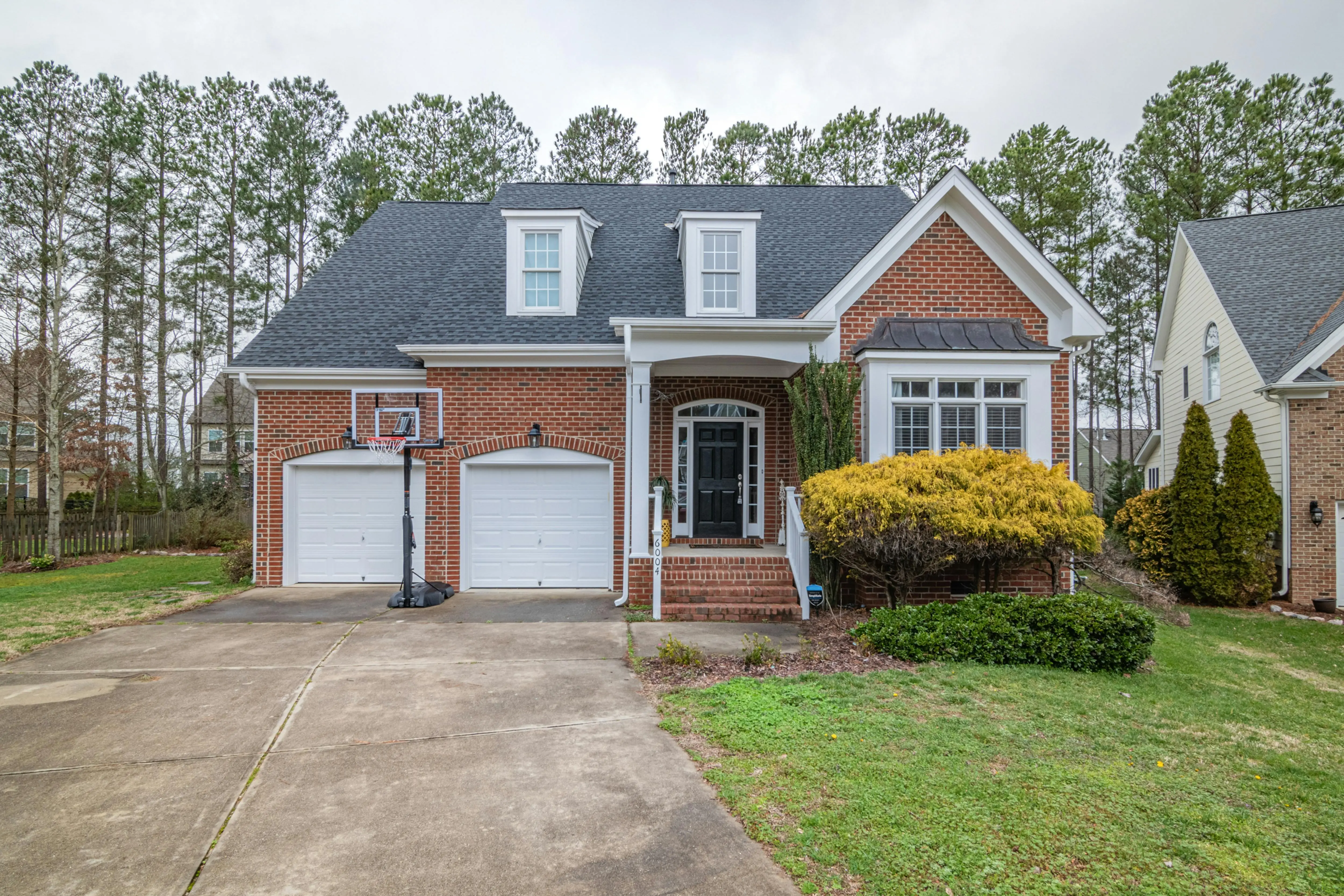
Why Driveway Planning for New Home Construction Matters
Building your dream home is exciting, but it’s easy to treat the driveway as an afterthought. Big mistake. The right driveway plan saves you thousands down the road, boosts curb appeal, and keeps daily life hassle-free.
Early planning lets you:
- Avoid costly tear-outs later
- Sync drainage, utilities, and landscaping
- Choose materials that fit your climate and lifestyle
- Secure HOA or city approval before you move in
Use this guide to map out a driveway that looks great on day one and still performs in year twenty.
Step 1: Evaluate Your Site Before the First Shovel Hits Dirt
Check Local Codes & HOA Rules
Most municipalities regulate width (typically 10–12 ft per car), slope (max 15 %), and distance from property lines. HOAs may limit color, material, or turnaround style. Call the building department and request the driveway ordinance packet the day you close on the lot.
Mark Utilities & Easements
811 will flag underground lines for free, but you still need to locate septic fields, sprinkler stubs, and future gas lamp lines. Place flags on a Saturday morning and physically drive the route you’ll use every week—garage to street, side entry to trash pickup spot, RV pad to gate.
Assess Soil & Drainage
Clay soil holds water and will heave in winter; sandy loam drains fast but may need edge restraints. Dig a 12-in. test hole. If water stands longer than 24 hrs, budget for a French drain or geo-textile base layer. A soils report ($400–$800) is cheap insurance against a $10,000 replacement.
Step 2: Design the Layout You’ll Actually Use
Single vs. Double Width
A 20-ft double-car pad looks nice on house plans, but if only one person drives to work daily, a 12-ft width with a 18-ft flare at the garage saves 400 sq ft of concrete—about $2,000.
Turnarounds & Extra Parking
Long rural drives benefit from a 40-ft diameter hammer-head or 60-ft “T” so you never back into traffic. In snowy regions, add a 10-ft pull-off every 100 ft for plow stacking.
Radius & Transition Zones
City sidewalks require a 6-ft radius to keep the apron from cracking. Use a garden hose to mock up curves; if your pickup’s rear tire climbs the curb, widen the radius until it doesn’t.
Step 3: Pick the Right Material for Climate, Budget, and Style
Concrete
Lasts 30+ years, handles heavy loads, and accepts color or stamp patterns. Plan $8–$14 per sq ft installed. Order 4000-psi with air entrainment in freeze zones and 5 % slope for runoff.
Asphalt
Lower upfront cost ($4–$7 per sq ft), dark color hides stains, but needs sealcoat every 3–5 years. Specify 2-in. surface over 4-in. crushed base; ask for PG 64-22 binder in hot climates.
Pavers & Permeable Systems
Brick or interlocking concrete pavers run $12–$20 per sq ft, tolerate minor heaving, and individual units can be swapped if oil-stained. Permeable versions earn storm-water credits in many cities.
Gravel
Cheapest at $1–$3 per sq ft, but ruts easily and tracks into garages. Install geo-textile under 8 in. of ¾-in. crushed limestone with fines; add a 12-in. concrete “ribbon” edge to keep stones in place.
Step 4: Handle Water Before It Handles You
Crown & Slope Basics
Concrete and asphalt should pitch ⅛–¼ in. per ft toward the street or a swale. Pavers drain through joints; still, set them at 1 % slope minimum.
Trench & French Drains
If the drive crosses a low spot, lay a 4-in. perforated drain wrapped in sock fabric below the base. Outflow to daylight or a dry-well 10 ft from foundations.
Permits for Storm Water
Many counties now require a driveway storm-water plan. Submit a simple sketch showing slope, drain location, and impervious square footage; approval takes 5–7 business days.
Step 5: Schedule Construction So You Don’t Build It Twice
Footing & Foundation Phase
Have the excavator rough-grade the driveway before backfilling basement walls. Heavy drywall and lumber trucks will thank you, and you avoid rutting the finished yard later.
Final Grade & Paving Window
Wait until final grading is complete and roof gutters are in. Concrete needs 45 °F–85 °F air temp for 48 hrs; asphalt needs 50 °F and rising. Book the crew the same week your electrician sets the meter—no trucks on fresh concrete.
Curing & Load Limits
Concrete reaches 70 % strength in 7 days; keep cars off that long. Asphalt needs 24 hrs for light cars, 72 hrs for trailers. Post a sign—“Fresh drive, please keep off”—so subs don’t ruin the surface.
Typical Costs & Where to Save
Price Checklist (per sq ft, 800 sq ft min.)
- Gravel: $1–$3
- Asphalt: $4–$7
- Plain concrete: $8–$10
- Stamped/colored concrete: $12–$16
- Interlocking pavers: $12–$20
- Permeable pavers: $16–$24
Money-Saving Tips
- Width taper: Run 10-ft wide and flare to 18 ft at the garage—saves 20 % material.
- Shared load: Coordinate with neighbors; paving crews drop mobilization fees for multi-house jobs.
- Off-season pour: Schedule October–March in warm states for 5–10 % discounts.
- DIY edges: Install concrete curbing or paver borders yourself after the main pour; labor is half the bill.
Build Maintenance Into the Plan
Sealants & Surface Treatments
Budget $0.50 per sq ft every 3 years for asphalt sealer. For concrete, a penetrating silane seal at year one ($0.75 per sq ft) reduces salt damage.
Joint & Crack Control
Cut 1-in. deep control joints every 8–10 ft in concrete the same day of the pour. Seal cracks by Thanksgiving each year to keep water out.
Snow & Equipment Storage
Plan a 4×8 ft pad off the side for snowblower storage; plows won’t scrape decorative stamped surfaces if you mark edges with fiberglass rods each fall.
Pro Tips for a Driveway That Looks Custom—Without the Custom Price
- Score a 6-in. brick pattern into plain concrete; rent a saw for $50 and save $6 per sq ft vs. stamped pavers.
- Add LED hardscape lights in the apron; low-voltage wire can be run under the base before concrete is poured.
- Integrate a 2-ft colored concrete band along the perimeter; it frames the drive and hides future edge chips.
- Ask for a “broom & edge” finish on asphalt; the light texture looks sharper and hides oil spots better than smooth.
Driveway Planning FAQ
A true two-car drive is 18–20 ft wide. If space or budget is tight, you can drop to 16 ft with careful driving, but below that you’ll bump mirrors.
Only pave after heavy drywall and roofing trucks are gone. Otherwise, ruts and oil leaks will ruin the surface. A temporary gravel base keeps mud down until you’re ready.
Most cities require a permit if you widen the apron or add square footage within the right-of-way. Check with public works; the fee is usually $50–$150 and saves a tear-out order later.
Air-entrained, 4000-psi concrete with a broom finish wins for shoveling and salt resistance. Add heated coils in the apron if you never want to shovel again—budget an extra $12–$18 per sq ft.