
Why Driveway Photo Documentation Matters
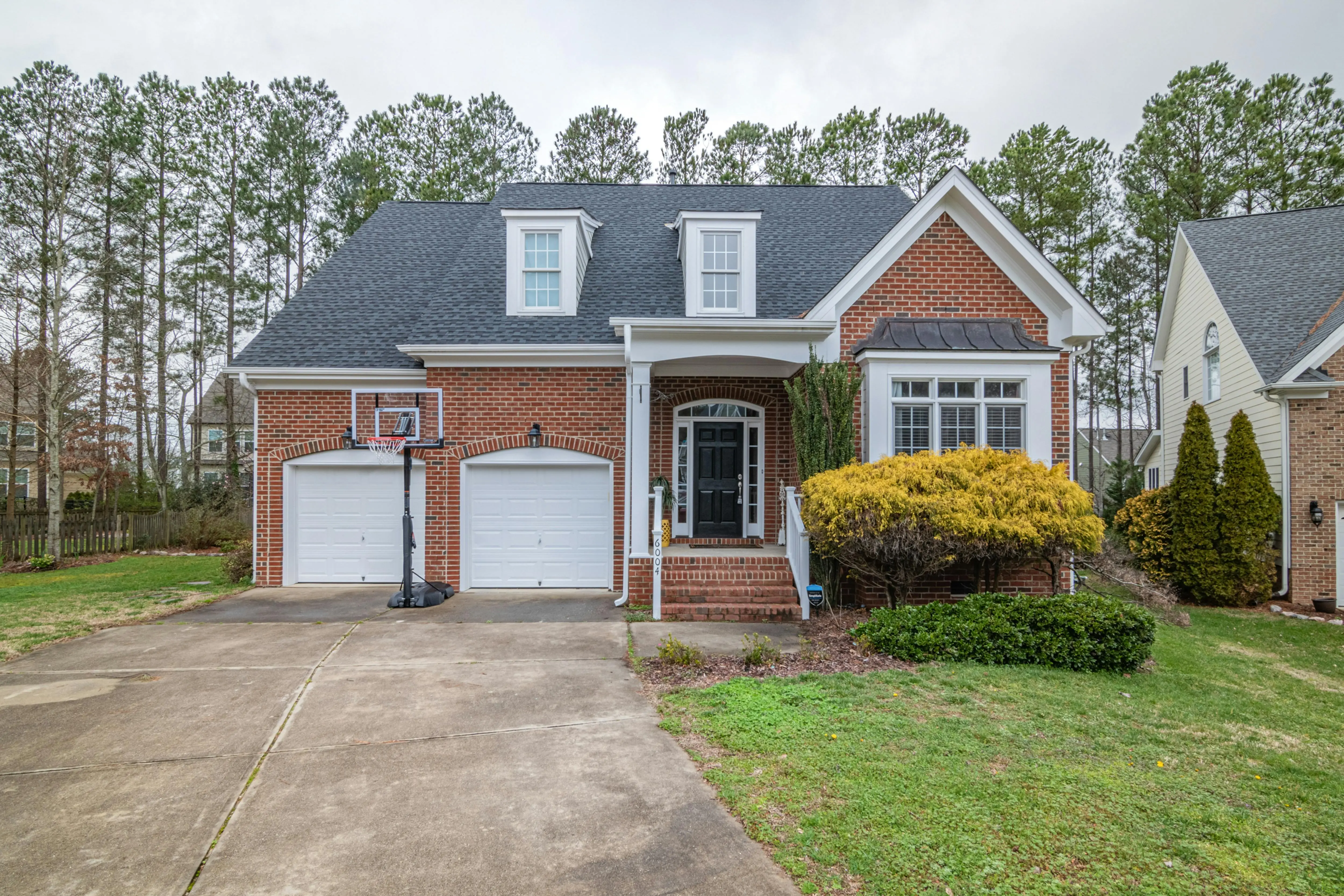
A picture is worth a thousand words—especially when it comes to your driveway. Driveway photo documentation creates a visual timeline that protects your investment, streamlines contractor communication, and gives you marketing-grade “wow” shots once the work is finished. Whether you’re sealing cracks, installing pavers, or replacing asphalt entirely, consistent photos before, during, and after the project keep everyone honest and on schedule.
Beyond personal peace of mind, well-organized images can:
- Speed up insurance claims if damage occurs.
- Help future buyers see the quality of improvements.
- Provide evidence for HOA or city permit compliance.
- Give contractors clear visuals for accurate quotes—no more guessing games.
Best Gear & Camera Settings for Driveway Shots
You don’t need a $3,000 DSLR, but a little prep goes a long way.
Smartphone vs. DSLR: Which Is Enough?
Modern phones (iPhone 11 or newer, Google Pixel 6+, Samsung S21+) shoot 12-MP+ images with solid dynamic range. Use RAW mode if your phone offers it—editing flexibility is priceless when you’re trying to show hairline cracks. If you already own a DSLR or mirrorless camera, pair it with a 24-mm lens for minimal distortion and snap in aperture priority at f/8 for corner-to-corner sharpness.
Three Must-Have Accessories
- Tripod or monopod – Eliminates blur and keeps the same height/angle for perfect before-and-after comparisons.
- Polarizing filter – Cuts glare on sunny asphalt, revealing true color and texture.
- Measuring scale – A bright ruler or chalked line shows crack width and depth, invaluable for quotes and insurance.
Optimal Lighting & Weather
Shoot within one hour of sunrise or sunset (“golden hour”) to avoid harsh shadows. Overcast days work too—clouds act like a giant softbox. Whichever you pick, keep the lighting consistent across all three phases (before, during, after) so color changes pop.
Before the Project: Capturing the Current Condition
Make a Simple Shot List
- Wide establishing shot from the street toward the garage.
- 45° angle from each corner to show drainage slope.
- Close-ups of every crack, oil stain, or spalling with a measuring reference.
- Expansion joints and adjoining concrete/apron interfaces.
- Any landscape features (sprinkler heads, edging, lighting) that could be damaged.
Use GPS & Timestamps
Turn on location services. Embedded GPS tags prove the photo location and deter disputes if a neighbor later claims pre-existing damage.
Backup Immediately
Upload to at least two places: Google Drive and an external SSD. Rename files with the date and phase—e.g., 2024-06-12-BEFORE-01.jpg. Consistent naming saves hours of scrolling later.
During the Project: Documenting Progress & Quality
Key Milestones to Shoot
| Milestone | Why It Matters |
|---|---|
| Demolition/Removal | Shows old material depth and any base surprises (soft spots, roots). |
| Base Layer & Compaction | Proves proper gravel thickness and compactor passes—critical for longevity. |
| Edge Restraints/Forms | Confirms clean lines and correct elevation before pour or paver placement. |
| Final Surface Installation | Captures color consistency, joint spacing, and immediate cleanup. |
Shoot Top-Down & Profile Views
Stand on a sturdy ladder or truck bed for top-down shots—great for pattern layout. Profile shots (camera 1–2 ft above the base) reveal layer thickness.
Log Issues on the Spot
Photo any unexpected soft spots, buried utilities, or weather delays. Text the image to your contractor in real time so fixes happen while crews are still on site.
After the Project: Final Shots & Long-Term Maintenance Record
Replicate the “Before” Angles Exactly
Use the same tripod holes or sidewalk cracks as reference points. Matching angles produce dramatic sliders for social media and make future comparisons foolproof.
Capture Close-Ups of Critical Details
- Seal-bead uniformity along concrete edges.
- Texture pattern consistency on stamped asphalt.
- Joint sand level on paver driveways.
- Drainage: puddle test after a light hose spray.
Create a “Delivery Packet”
Combine the best 10–12 images into a single PDF with captions: date, service performed, materials used, and contractor contact info. Store both digital and printed copies with your home warranty folder.
Organizing & Storing Your Driveway Photo Documentation
Folder Structure That Works
Driveway Docs/
├── 2024-06-12-Before/
├── 2024-06-15-During/
├── 2024-06-18-After/
└── Receipts & Warranties/
Cloud vs. Local: Hybrid Is Best
Upload originals to Google Photos (free 15 GB) plus Amazon Photos (free for Prime members). Keep a 1-TB external SSD in your fire safe for triple redundancy.
Add Metadata for Lightning-Fast Searches
In Windows, right-click → Properties → Details. Tag with “driveway, asphalt, 2024, sealcoat.” On Mac, use Photos app keywords. Future you will thank present you.
Legal & Insurance Benefits of Photo Documentation
Speed Up Claims
Homeowner’s insurance adjusters love dated photos. A clear “before” shot of a pristine driveway next to an “after” shot of hurricane damage can cut reimbursement time from weeks to days.
Contractor Dispute Shield
If a paver sinks in 90 days, your progression photos prove base compaction was skipped. Courts and mediation services accept geotagged images as evidence.
HOA & City Compliance
Many HOAs require pre-approval for color or material changes. Submitting a photo packet shows you followed the rules, avoiding fines or forced removal.
Turn Documentation Into DIY Marketing
Create a Simple Before/After Slider
Free tools like Canva or WordPress “Before After” blocks let you drag two photos into a slider. Post on neighborhood Facebook groups—contractors often get hired on the spot when homeowners see your results.
Leverage Reviews
Google Business reviews with photos receive 84% more clicks. Upload three progression shots plus a 5-star write-up; your contractor may give you a future discount for the social proof.
Add Value at Resale
According to the National Association of Realtors, exterior improvements like new driveways recover 73% of cost at sale. A printed photo booklet in the listing packet justifies top-dollar offers.
Common Mistakes to Avoid
- Inconsistent angles – Makes it hard to prove improvements.
- Shadows across cracks – Hide damage; shoot when pavement is evenly lit.
- Forgotten macro shots – Tiny edge chips become big rust stains later.
- Low resolution – 4×6 web images pixelate when zoomed in court or on flyers.
- No backup – Phones fall in pools. Cloud sync saves headaches.
Frequently Asked Questions
Shoot a minimum of 20 high-resolution images: 5 wide, 10 detail (cracks, joints, stains), and 5 context (garage, landscaping). Add 5–10 more at each major milestone during construction. Storage is cheap; regrets are not.
You’re documenting your own property, so permission isn’t required. That said, notify the crew for safety—nobody wants to trip over a tripod. Reputable contractors often appreciate the collaboration because your photos double as their portfolio.
Video is great for capturing compaction machines in action, but still photos win for side-by-side comparisons and printing. Best practice: record short 10-second clips at milestones, then extract high-resolution frames for your final folder.
Keep all photos for at least the length of the contractor’s warranty—usually 1–5 years for asphalt and lifetime for concrete pavers. For insurance purposes, retain them as long as you own the home; they’re proof of pre-disaster condition.