
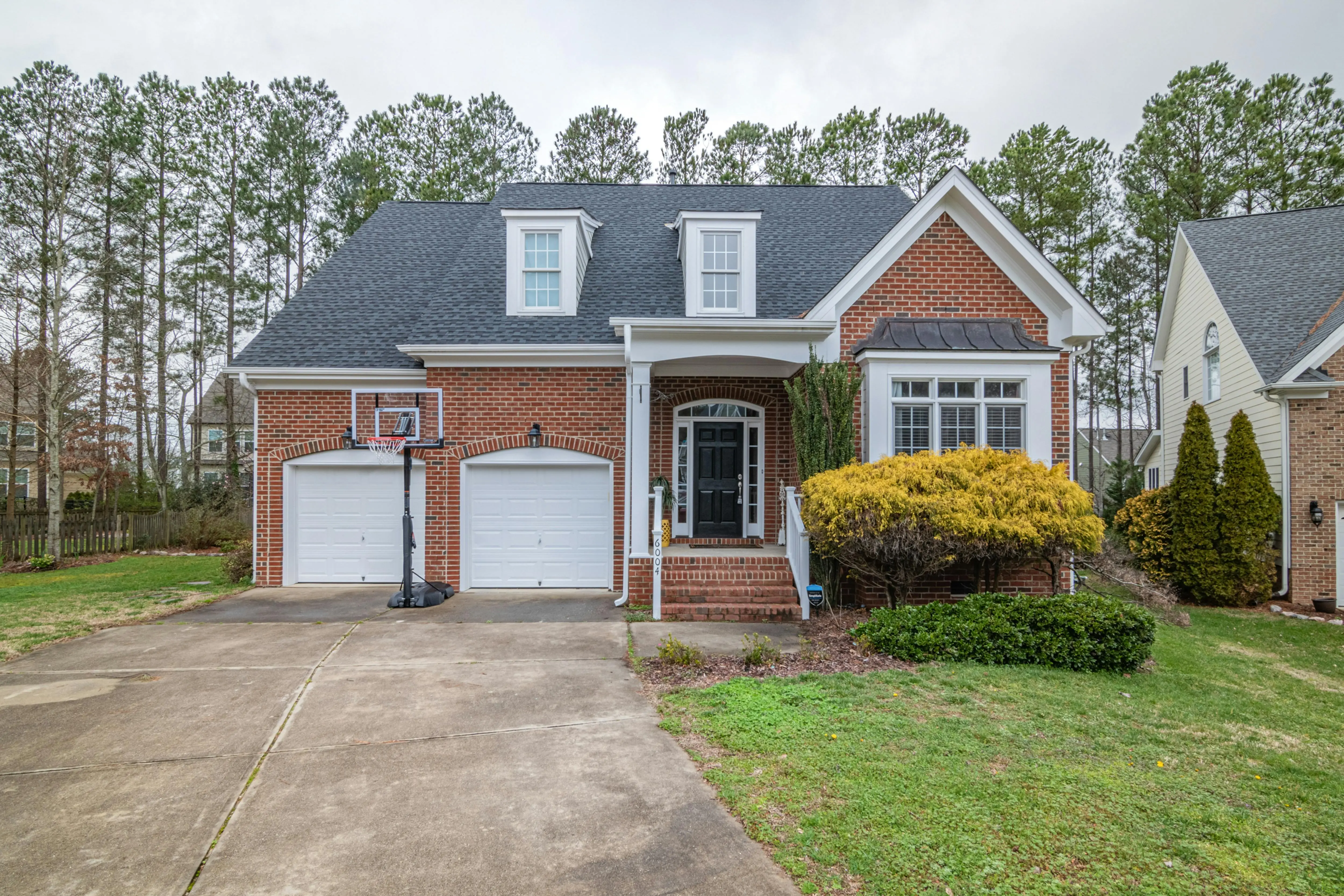
Driveway Permits and Regulations in West Virginia: A Homeowner’s Roadmap
Thinking about widening your gravel drive, adding an asphalt apron, or cutting a brand-new entrance off a West Virginia state road? Before the first shovel hits dirt, you need to know which permits apply, who issues them, and how local rules can make—or break—your timeline and budget. West Virginia is a “home rule” state, so driveway permits and regulations vary by county, municipality, and even subdivision covenants. This guide walks you through the most common requirements, hidden pitfalls, and insider tips so your project rolls smoothly from planning to pavement.
Why Driveway Permits Matter in WV
A permit is more than a piece of paper; it’s legal proof that your entrance meets safety, drainage, and right-of-way standards. Skipping the permit can trigger:
- Stop-work orders and doubled permit fees
- Mandatory removal of non-compliant work
- Liability if a delivery driver or snowplow damages your new apron
- Title headaches when you sell the home
Bottom line: the 10 minutes you spend applying can save thousands later.
State vs. Local Rules: Who Actually Controls Your Driveway?
West Virginia Department of Highways (WVDOH)
Any work inside a state road right-of-way—cutting a curb, installing a pipe, or paving the first 15 ft off pavement—requires a WVDOH “Entrance Permit.” The state maintains most numbered routes (e.g., WV-10, US-119) and many rural collectors.
County & Municipal Street Departments
Cities such as Charleston, Morgantown, and Huntington issue their own street-cut permits for local roads. Counties (Kanawha, Berkeley, Monongalia, etc.) regulate subdivision roads that are not yet accepted into the state system. Always call the entity that paves or plows your road.
HOAs and Subdivision Covenants
Even if WVDOH signs off, your HOA can demand brick pavers instead of concrete or restrict driveway widths. Request a copy of the declaration before finalizing plans.
Step-by-Step: WVDOH Driveway Permit Process
1. Verify Jurisdiction
Use the WVDOH “County Highway Map” or call the local district office. Provide the route number and mile-marker nearest your property.
2. Complete Form DOH-25
Available online or at district headquarters. You’ll need:
- Property owner signature
- Proposed driveway width (max 30 ft for residential unless engineer-approved)
- Pipe size and type (typically 15” or 18” CMP)
- Distance to nearest intersection or neighboring drive
3. Submit a Site Plan
Hand-drawn sketches are acceptable if they show:
- Road centerline and edge of pavement
- Right-of-way lines (usually 30 ft each side on state roads)
- Existing and proposed drainage
- Sight-distance triangle (clear of shrubs, walls, or berms)
4. Pay the Fee
Standard residential: $25. Commercial entrances or multi-lane openings: $100–$250. Fees double if work starts before approval.
5. Await Field Review
An area engineer inspects within 10 business days. If the slope exceeds 8 %, you may need a paved transition (flared apron) or additional rip-rap to prevent erosion.
6. Receive Permit & Stake Location
Permit valid for 180 days. Extensions free if requested before expiration.
Local Permit Snapshots: Charleston, Morgantown & Martinsburg
Charleston (Kanawha County)
- Street-cut permit: $50 residential, $200 commercial
- Concrete apron min. 6 in. thick, 3,000 psi
- Reflective stakes required during construction
Morgantown (Monongalia County)
- Engineering review required for driveways on grades >10 %
- Permit bonded at $500 per linear foot of sidewalk replaced
- Green storm-water credit available if you install a permeable paver strip
Martinsburg (Berkeley County)
- Historic district: brick or stamped asphalt only
- Permit turnaround: 5 business days
- No work between Thanksgiving and New Year (downtown zone)
Hidden Costs & How to Budget for Them
Required Upgrades
Engineers often flag:
- Oversized culvert ($400–$900 vs. standard $200 pipe)
- Headwall or end-section ($150–$300)
- Geotextile under stone to stabilize soft subgrade ($0.35 per sq ft)
Utility Locates
Call 811 three business days before digging. If a gas main crosses your path, relocation averages $15 per foot—owner’s responsibility if the driveway is “non-essential.”
Engineering Stamp
Commercial entrances or shared drives >100 ft long often need a PE stamped plan ($600–$1,200). Ask upfront; engineers book 2–3 weeks out in peak season.
Contingency Fund
Add 15 % to your driveway budget for permit-related surprises. On a $6,000 gravel drive, that’s $900—usually enough to cover a larger pipe or extra base stone.
Common Mistakes WV Homeowners Make
Mistake 1: “It’s My Land, I’ll Cut the Curb When I Want”
Cutting a state road curb without a permit is a misdemeanor (WV Code §17-16-12) carrying fines up to $500 plus restoration cost.
Mistake 2: Using a “One-Size” Culvert
Upsizing from 15” to 18” adds only $60 to material cost but can prevent washouts that wreck your driveway—and your neighbor’s.
Mistake 3: Ignoring Sight Distance
WVDOH requires 250 ft minimum sight distance on 55 mph roads. Planting ornamental grasses in the triangle can force you to rip them out later.
Mistake 4: Forgetting the HOA
One homeowner paved a 14-ft-wide sports-court apron; the HOA covenant limited width to 12 ft. The final 2 ft had to be saw-cut and removed—$800 mistake.
Drainage, Easements & Water Rights
Don’t Dam the Ditch
West Virginia follows the “natural flow” rule. You can’t pipe runoff under your driveway and discharge it onto a downhill neighbor if it causes erosion. Install rip-rap or a dissipater pad.
Shared Drives
If you and a neighbor share a 400-ft gravel lane, record a maintenance agreement at the county clerk’s office. Specify who plows, who grades, and how costs are split; WVDOH will ask for the document before issuing separate entrance permits off the state road.
Drainage Easements
Some deeds reserve a 15-ft drainage easement along the property line. You can still pave over it, but the county can excavate if a downstream tile plugs—at your cost. Mark easements on your site plan to avoid surprises.
Environmental Considerations
WV DEP & Stream Crossing
If your driveway crosses an intermittent stream (even a 2-ft-wide trickle), you need a WV DEP “404/401” minor permit ($200) and must install a sediment trap. Work between April 1 and Oct 15 only to protect trout spawning.
Storm-Water Management
New drives ≥5,000 sq ft in Jefferson and Berkeley counties must capture first 1 inch of rainfall. Options: 300-ft gravel infiltration trench, permeable pavers, or 200-gallon rain garden. Cost: $500–$1,000 vs. $2,500 fine.
Insider Tips for Faster Approval
- Submit Tuesday–Thursday: district engineers are usually in the field Mondays and Fridays.
- Include a photo of the existing road edge; reviewers appreciate context and may skip a site visit.
- Ask for the engineer’s cell number at submission—polite follow-ups move you to the top of the stack.
- Bundle projects: if you’re also installing a mailbox or utility tap, file concurrently to avoid duplicate trips.
Frequently Asked Questions
If the entrance culvert and width stay the same and you’re not widening into the state right-of-way, WVDOH does not require a new permit. However, cities like Charleston still ask for a “resurfacing notice” so they can inspect apron condition. Check local rules.
Standard review is 10 business days from receipt of a complete Form DOH-25. Complex commercial entrances or drives near intersections can take 20–30 days. Calling the district office to confirm receipt can shave off a few days.
Yes, homeowners may supply and install the pipe, but it must meet WVDOH specs (galvanized or polymer-coated, minimum 15” diameter for residential). An engineer will inspect bedding depth, backfill material, and compaction before you pave over it. Fail inspection and you’ll dig it up on your dime.
WVDOH can issue a stop-work order, levy a $500 fine, and require full restoration of the right-of-way. You’ll then have to submit the same permit application anyway—often with added erosion-control conditions and double fees. It’s cheaper and faster to permit first.