
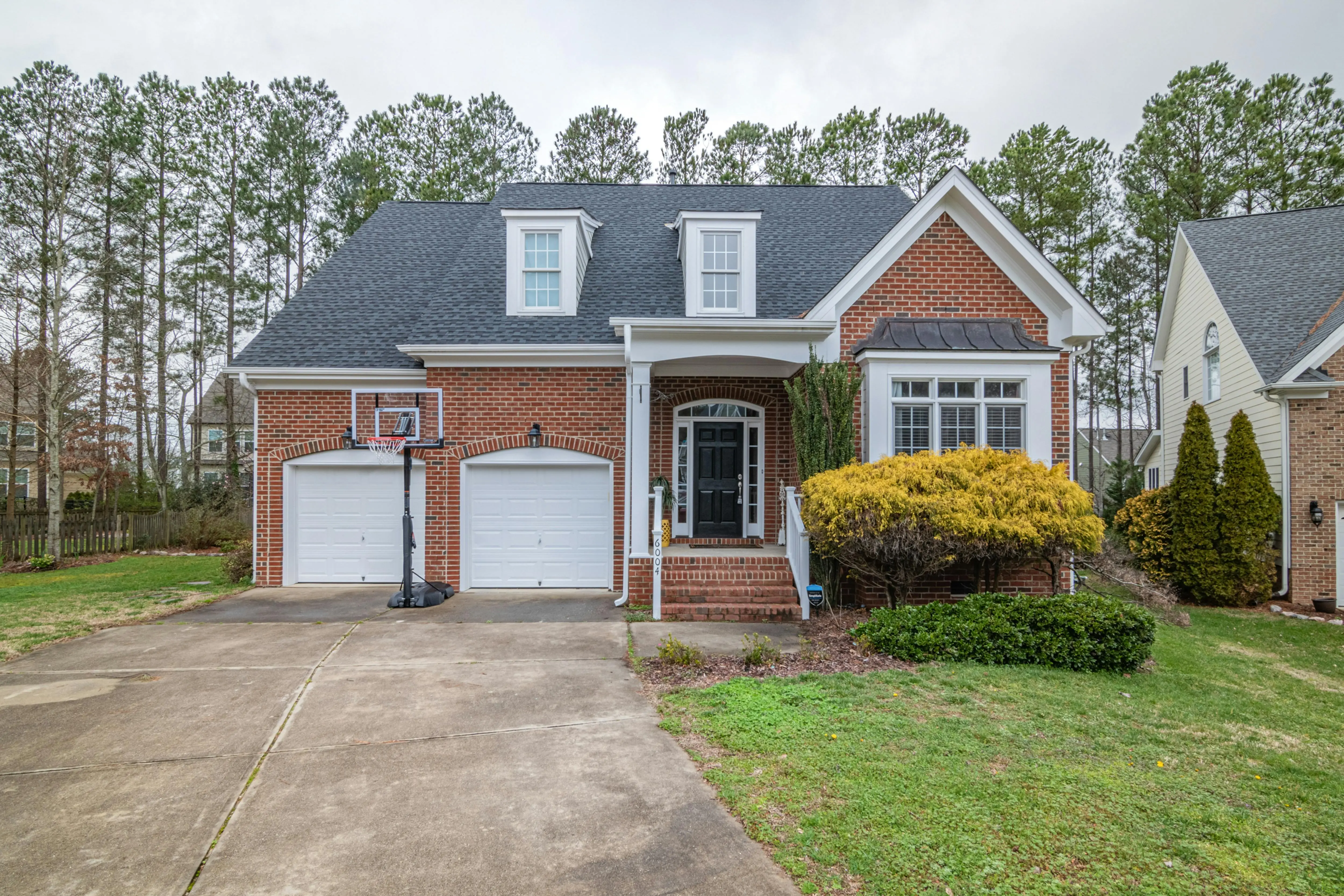
Why Texas Driveway Rules Matter
Installing or upgrading a driveway seems simple—until the city or county flags it. In Texas, every curb cut, drainage swale, and inch of pavement can trigger permits, inspections, and fines. Knowing the rules up front saves you money, delays, and the headache of tearing out brand-new concrete.
Below, we break down exactly what “Driveway Permits and Regulations in Texas” means for homeowners, how to navigate the paperwork, and how to keep your project on schedule and on budget.
Permits 101: Do You Need One?
Short answer: almost always. Texas has no single statewide driveway code; instead, authority is split among cities, counties, and the Texas Department of Transportation (TxDOT). Each layer can require its own permit.
City Permits
Most incorporated cities treat the driveway apron (the section from the sidewalk to the street) as public right-of-way. You’ll need a right-of-way permit before touching it. Typical triggers:
- New curb cut or widening an existing one
- Replacing public sidewalk or ADA ramp
- Adding a circular drive that touches two streets
County Regulations
If you live in an unincorporated pocket of Harris, Bexar, or Tarrant County, the county engineer may regulate driveways that connect to county roads. Expect 48–72 hr review for residential entrances under 30 ft wide.
TxDOT Driveway Permits
Any access onto a state highway (Farm-to-Market, U.S., or Interstate frontage road) requires a TxDOT driveway permit. Turn-around time is 10–15 business days, and plans must be sealed by a Texas-licensed engineer for multi-lane or commercial entrances.
Step-by-Step Application Guide
1. Pre-Application Checklist
- Verify jurisdiction—use the city’s GIS parcel viewer or call Public Works.
- Measure proposed width; most cities cap residential aprons at 20–24 ft.
- Check sidewalk clearance—many ordinances require 2 ft minimum from utility poles, fire hydrants, and guy-wires.
2. Gather Required Documents
City-specific forms differ, but nearly every Texas municipality wants:
- Site plan showing lot lines, existing/proposed pavement, and drainage arrows
- Driveway detail cross-section (materials, thickness, rebar spacing)
- Proof of property ownership or notarized contractor authorization
- Homeowner’s driver license or ID
3. Submit and Pay Fees
Most cities now accept online portals (Austin’s “SCP” system, Dallas’ “DAPS”). Fees range $40–$150 for standard residential. TxDOT charges $35 per approach.
4. Schedule Inspections
Expect two field visits: a pre-pour inspection for forms and rebar, and a final inspection after concrete placement. Keep the permit card on-site; inspectors will not hunt for it.
Key Texas Regulations You Can’t Ignore
Width & Radius Limits
Austin: 20 ft max for single-family, 24 ft on corner lots. Dallas allows 12 ft per lane (24 ft total) but requires 5 ft radius returns. Houston uses a sliding scale based on lot frontage—under 50 ft gets 18 ft max.
Drainage & Slope
Texas cities enforce sheet-flow drainage. A common rule: 1 % minimum slope away from foundation, 2 % max toward street, and no direct gutter discharge onto sidewalk. Fail the slope test and you’ll be grinding concrete at your expense.
Utility Clearances
Call 811 for line locates, but also review local “U-Chart.” Example: San Antonio requires 3 ft horizontal clearance from water mains, 5 ft from pressurized gas > 4 in.
HOA & PD Restrictions
Even if the city signs off, your Planned Development or HOA may limit materials (no recycled asphalt), colors (earth-tone concrete only), or even the radius of the driveway edge. Submit plans to the architectural committee before permitting to avoid double work.
Hidden Costs and How to Budget
Permit fees are the tip of the iceberg. Below are line items Texas homeowners forget:
- Engineering seal: $350–$600 if TxDOT or drainage calculations are required.
- Curb repair: Cities bill you if you damage existing curb/gutter—$45–$65 per linear foot.
- Sidewalk ADA upgrades: Triggered if more than 25 % of sidewalk is replaced; cost is $12–$15 per sq ft.
- Re-inspection fees: Miss an inspection window? Austin charges $85, Fort Worth $100.
Build a 10 % contingency into your driveway budget for these regulatory surprises.
Top 5 Homeowner Mistakes (and How to Avoid Them)
- Pouring First, Permitting Later
Concrete cures in 24 hrs; citations last forever. Cities can order removal at your cost. - Ignoring Tree Preservation
Houston’s tree ordinance requires 10 ft clearance from a protected tree’s trunk. Violation: $500 per inch diameter. - Using the Wrong Mix
TxDOT specs 3,500 psi minimum with 5–7 % air entrainment. Residential suppliers often deliver 3,000 psi. Ask for the ticket. - Skipping Expansion Joints
Texas heat expands concrete. No joints = random cracks. Place 1 in. thick asphalt-impregnated fiber every 10 ft. - Matching Neighbor’s Driveway Without Measuring
Street grades change. Your neighbor’s 30-year-old apron may no longer meet today’s slope rules. Always verify current standards.
DIY vs. Hiring a Driveway Pro
Texas allows homeowners to pull their own residential permits, but should you?
When DIY Makes Sense
- Rural county lot with no curb/gutter
- Gravel or recycled asphalt finish (no concrete pour)
- You own a plate compactor and laser level
When to Call a Pro
- TxDOT highway access—engineering stamp required
- Tight urban lot with sidewalks and ADA ramps
- Stamped or stained decorative concrete—one mis-trowel and the color is blotchy forever
Reputable Texas driveway contractors carry general liability, carry workers’ comp, and list “driveway/approach permits” in the contract. Get three local bids and verify permit inclusion in writing.
Realistic Timeline for a Texas Driveway Project
| Task | Typical Days |
|---|---|
| HOA approval | 5–10 |
| Permit submission & review | 3–10 |
| 811 utility locate | 2 (mandatory wait) |
| Pre-pour inspection | 1 |
| Concrete pour & cure | 2–7 |
| Final inspection | 1 |
Total: 14–31 calendar days. Add one week if rain or holidays intervene.
Inspection Day: What Inspectors Check
- Form boards: straight, staked every 30 in., height matches curb
- Rebar: #4 bars at 18 in. on-center, 3 in. clearance from soil
- Slope: smart-level reading between form boards and existing gutter
- Width & radius: tape-measured at the throat and returns
- Utility clearances: physical tape from hydrants, poles, meters
Have a copy of your approved plans, a tape measure, and a 4-ft level on-site. Inspectors appreciate prepared homeowners; it speeds sign-offs and avoids re-inspection fees.
Maintaining Compliance After Installation
Permits close, but rules keep going:
- Don’t add basketball hoops or planter boxes in the right-of-way; cities can remove them.
- If you later install an irrigation system, sprinkler heads must be 24 in. behind sidewalk to avoid spray on public pavement.
- Re-seal decorative concrete every 2–3 years; faded sealant can violate HOA appearance standards.
Frequently Asked Questions
Most cities cap residential aprons at 20 ft for interior lots and 24 ft for corner lots. Houston ties width to lot frontage (≤ 50 ft gets 18 ft). Always check your local right-of-way manual; exceeding the limit voids the permit.
If the expansion stays behind the public sidewalk and does not alter drainage, many cities allow it. The moment you break the sidewalk or curb, a right-of-way permit is mandatory—no exceptions.
Standard residential permits average 10 business days. Multi-lane or commercial entrances requiring an engineering seal can take 15–20 days. Submit at least one month before your planned pour.
Enforcement varies: Austin issues a red-tag stop-work order and can require removal within 30 days. Dallas levies fines up to $2,000 plus double permit fees. You also risk a lien on your property until compliance is met.