
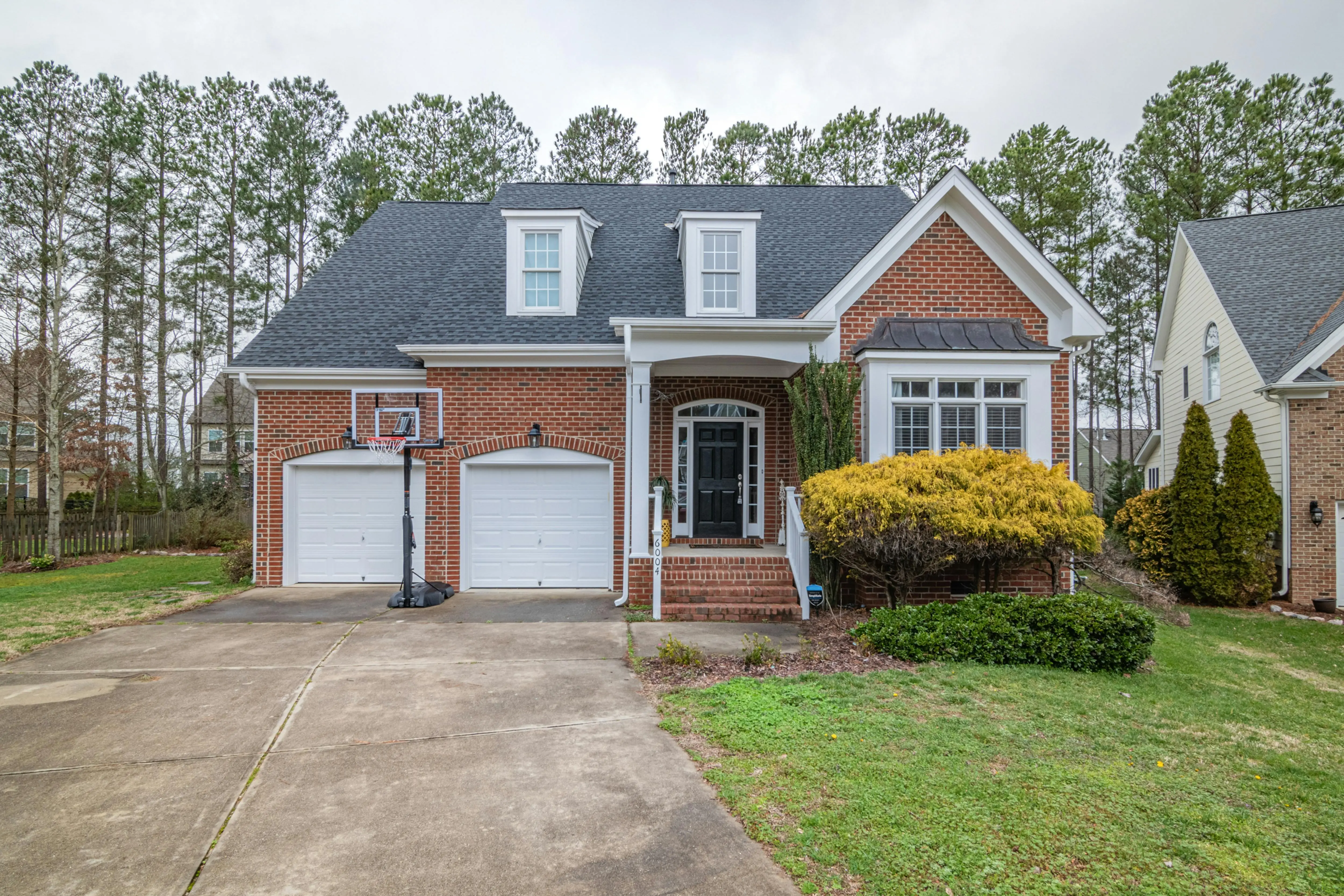
Who Actually Regulates Your Driveway?
There isn't one single agency handling driveway permits across the state. Which office you deal with depends entirely on what kind of road your driveway meets.
- State highways fall under the South Dakota Department of Transportation.
- Rural and county roads go through your county highway department.
- City streets are handled by your local municipal office.
Each of these bodies has its own paperwork and its own quirks, but they're all working toward the same basic outcome, keeping traffic moving safely and keeping the road in good shape.
What Officials Look at Before Approving Your Driveway
When your application lands on someone's desk, a few things get scrutinized:
- How close the driveway sits to nearby intersections
- Traffic speed on the adjacent road and how much visibility drivers will have
- Where water will go once it hits your driveway surface
- The width and slope you're proposing
- What material you plan to use
The Different Kinds of Driveway Permits
Residential Permits
This is what most homeowners deal with. They're built around personal-use driveways and mostly check that your project lines up with local zoning and basic safety rules.
Commercial Permits
A retail lot or warehouse sees far more vehicle traffic, often bigger trucks too. So the design standards are tighter and the review process usually takes longer.
Temporary Access Permits
This covers things like construction entrances. These aren't meant to stick around. Once the project wraps, they either get removed or upgraded into a permanent, permitted driveway.
Getting the Permit
What the Process Actually Looks Like
- Step 1: Figure out who you're dealing with (your driveway ties into a state, county, or city road.)
- Step 2: Pull together your documents (a site plan showing exactly where the driveway sits, basic property boundary information,location, a drainage plan)
- Step 3: File the application (double-check every detail before submitting)
- Step 4: Expect a site visit (Inspectors often want to see the land in person)
- Step 5: Build once you're approved
- Step 6: Final inspection after building a driveway (just to confirm the finished driveway matches what was approved)
Details Worth Getting Right
Width and surface material: Residential driveways have to hit a minimum width so vehicles can get in and out safely. Gravel, asphalt, and concrete are all generally accepted, though the specifics shift from one county to the next.
Drainage
This one gets overlooked constantly, and it shouldn't be. A driveway that sends water onto the road instead of away from it can cause erosion in warmer months and turn into a genuine ice hazard once winter hits which, in South Dakota, is a real concern for a good chunk of the year.
Sight Distance
Anyone pulling out of your driveway needs a clear view of oncoming traffic. If there's a tree, a fence, or overgrown brush blocking that view, expect officials to ask you to clear it. This comes up often on rural properties near a bend in the road, where a driver simply can't see around the curve until it's too late.
Mistakes That Slow Everything Down
A handful of avoidable errors account for most permit delays:
- Breaking ground before approval comes through
- Turning in an application missing key documents
- Overlooking drainage requirements entirely
- Placing the driveway too close to an intersection
What Does a Permit Actually Cost?
Fees aren't fixed statewide, they shift depending on your location and whether you're filing residential or commercial paperwork. Residential fees tend to stay modest, while commercial projects often carry higher costs because of the added inspections involved. Rather than guessing, it's worth a quick call to your local office for current numbers.
Why You Should Do This Right
Beyond just staying out of trouble, a properly permitted driveway pays off in a few concrete ways:
- Safer entry and exit for drivers and anyone walking nearby
- No legal headaches down the road
- A stronger resale case when it's time to sell
- A driveway that actually holds up over the years instead of cracking or eroding prematurely
A Better Way to Approach It
Imagine you're a rural property owner planning a new driveway. Rather than diving straight into construction, you call the county office first, put together a proper site plan, and make sure your drainage setup checks the right boxes. What follows is a permit that clears without drama, a driveway built the right way the first time, and none of the surprises that come with skipping steps.
The Resale Angle Nobody Talks About
A driveway that was permitted and built correctly does more than just function, it adds to how the whole property presents itself. Buyers notice access points, especially somewhere like South Dakota where winter weather puts real stress on poorly built surfaces. On the flip side, an unpermitted or shoddy driveway can raise red flags during a home inspection and chip away at your asking price.
Final Thoughts
Getting a driveway permit right in South Dakota isn't about jumping through the process for no reason. Because it protects the road, the neighbors, and your own investment. Whether you're a homeowner tackling a single project or a contractor managing several, understanding the process up front saves time, money, and a lot of unnecessary stress later.
Frequently Asked Questions
In nearly every case, yes, particularly if the driveway connects to any public road.
It varies. Simple residential projects might clear in a few days; more complex applications can take a few weeks.
You can, but bringing in someone familiar with local codes helps you avoid costly mistakes and speeds up approval.
You risk fines, an order to remove the driveway, or a requirement to rebuild it to meet code usually at your own expense.
No. Requirements differ by state, county, and city, so it's always worth confirming with your local office before you plan anything.