
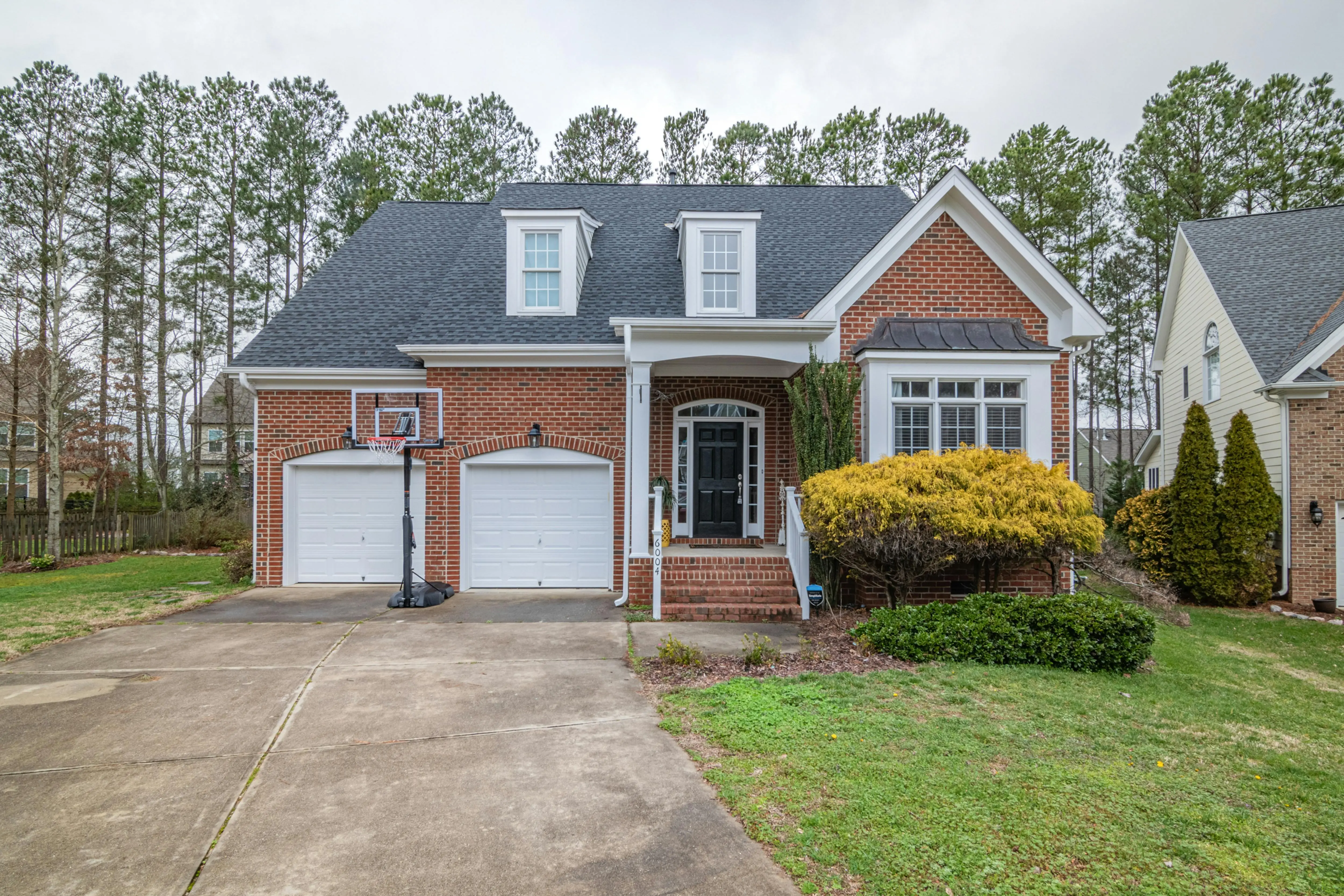
Why Driveway Permits Matter in South Carolina
Thinking about widening your driveway, adding a circular turn-around, or cutting a brand-new entrance off a state road? In South Carolina, that simple slab of concrete can trigger a web of state, county, and municipal rules. The right permit keeps you legal, prevents fines, and protects your wallet if you ever sell.
Below, we break down the who-what-when of Driveway Permits and Regulations in South Carolina so you can start your project on solid ground.
South Carolina State-Level Driveway Rules
Most driveway work touches a public road, so the S.C. Department of Transportation (SCDOT) is the first gatekeeper. Their Highway Access Permit Manual sets baseline standards for every county.
When SCDOT Requires a Permit
- New driveway pipe or curb cut on any state-maintained road (lettered routes, U.S. or S.C. highways).
- Expanding an existing entrance by more than 4 ft in width or changing the radius.
- Adding a second entrance, even if the first one is already legal.
- Any work inside the state’s right-of-way (typically 30–60 ft from centerline).
Key SCDOT Design Standards
| Speed Limit | Min. Sight Distance | Max. Drive Width (residential) | Min. Radius |
|---|---|---|---|
| ≤ 35 mph | 250 ft | 30 ft | 15 ft |
| 36–50 mph | 450 ft | 30 ft | 25 ft |
| > 50 mph | 650 ft | 30 ft* | 35 ft |
*Commercial entrances can go wider with a traffic study.
County & Municipality Add-Ons
Local governments layer their own rules on top of SCDOT. Always check both.
Greenville County
- Storm-water retention required if driveway disturbs ≥ 5,000 sq ft.
- Permit fee: $75 for first 100 ft of frontage + $0.50 per additional foot.
Charleston County
- Historic districts need BAR (Board of Architectural Review) approval for visible apron materials.
- Pervious material encouraged within 25 ft of a tidal creek.
City of Columbia
- Concrete only—no asphalt or gravel inside city right-of-way.
- Sidewalk repair bond ($2/linear ft) held for two years.
Horry County (Myrtle Beach Area)
- Traffic impact study if projected trips > 100/day (common for short-term rentals).
- Shared driveway agreement required for flag lots.
Step-by-Step Permit Process
1. Pre-Application Homework
- Verify road jurisdiction: Use SCDOT’s online GIS map to see if the road is state, county, or city.
- Sketch a site plan: Show property lines, setbacks, sidewalk, utilities, and proposed driveway dimensions.
- Check HOA covenants: Many South Carolina subdivisions restrict width, color, or material.
2. Submit to SCDOT (if state road)
- Complete Form SCP-001 (Highway Access Application).
- Attach stamped survey or driveway plan signed by a SC-licensed engineer or surveyor.
- Pay $100 base fee + $25 per additional entrance.
- Expect 10–14 business days for approval; 30 days if a field inspection is needed.
3. Submit Locally (dual permitting)
Many counties piggy-back on the SCDOT review, but you still file their form and pay a separate fee. Ask if they accept electronic plans—it can shave a week off review time.
4. Pre-Construction Conference
SCDOT may require a quick onsite meeting to mark right-of-way stakes and discuss erosion control. Bring your contractor so everyone hears the same thing.
5. Inspection & Final Letter
After the pour, call for inspection. SCDOT issues a Letter of Compliance—keep it with your deed; buyers’ attorneys routinely ask for it.
Typical Driveway Permit Costs in SC
| Item | Low | High |
|---|---|---|
| SCDOT permit fee | $100 | $300 |
| County / city fee | $50 | $200 |
| Licensed surveyor site plan | $450 | $1,200 |
| Traffic study (if required) | $1,500 | $4,000 |
| Utility relocation (water, gas) | $0* | $2,500 |
*Many utilities relocate for free if their lines are in conflict, but you must apply 30 days ahead.
Homeowner Mistakes to Avoid
1. Skimping on Sight-Distance Checks
Even if the permit drawing looks good, drive the road at rush hour. A mailbox, utility pole, or growing camellia can block the view and cause SCDOT to reject your application.
2. Ignoring Drainage Easements
That shallow swale in your front yard may be part of the county’s storm-water system. Paving over it can flood your neighbors and trigger removal orders.
3. Using an Uninsured Contractor
SCDOT can halt work if the installer lacks a valid SC contractor’s license and general liability. Ask for a certificate naming you as additional insured.
4. Starting Work on a Friday
Inspectors are scarce on weekends. If you cut the curb before approval, you’ll pay a $500 penalty plus double fees to legalize the entrance.
DIY Prep Tasks That Save Money
- Mark utilities yourself: Call 811 (Palmetto Utility Protection Service) three days before you dig—free.
- Photograph everything: Take date-stamped photos of the existing curb, grass strip, and any sidewalk cracks. If damage claims arise, you have proof.
- Spray-paint your proposed layout: Inspectors can give informal feedback on the spot, cutting revision time.
- Bundle projects: If you also need a water tap or sewer lateral, schedule them together so you only disturb the right-of-way once.
FAQ – Driveway Permits and Regulations in South Carolina
Usually no. SCDOT treats “in-kind” replacement as maintenance, provided you don’t enlarge the width, move the entrance, or disturb the sidewalk. Still file a courtesy notice so inspectors don’t red-tag your contractor.
One year from the approval date. You can request a single 6-month extension before expiration; after that you must re-apply and pay fees again.
Homeowner-builder rules vary. Greenville and Horry counties allow it if you pass the concrete slump test and provide a $500 performance bond. Charleston requires a licensed contractor for any work inside the right-of-way.
SCDOT can issue a stop-work order, levy fines up to $5,000, and require full restoration of the road shoulder. Your homeowner’s insurance may deny claims if an unpermitted curb cut contributes to an accident.