
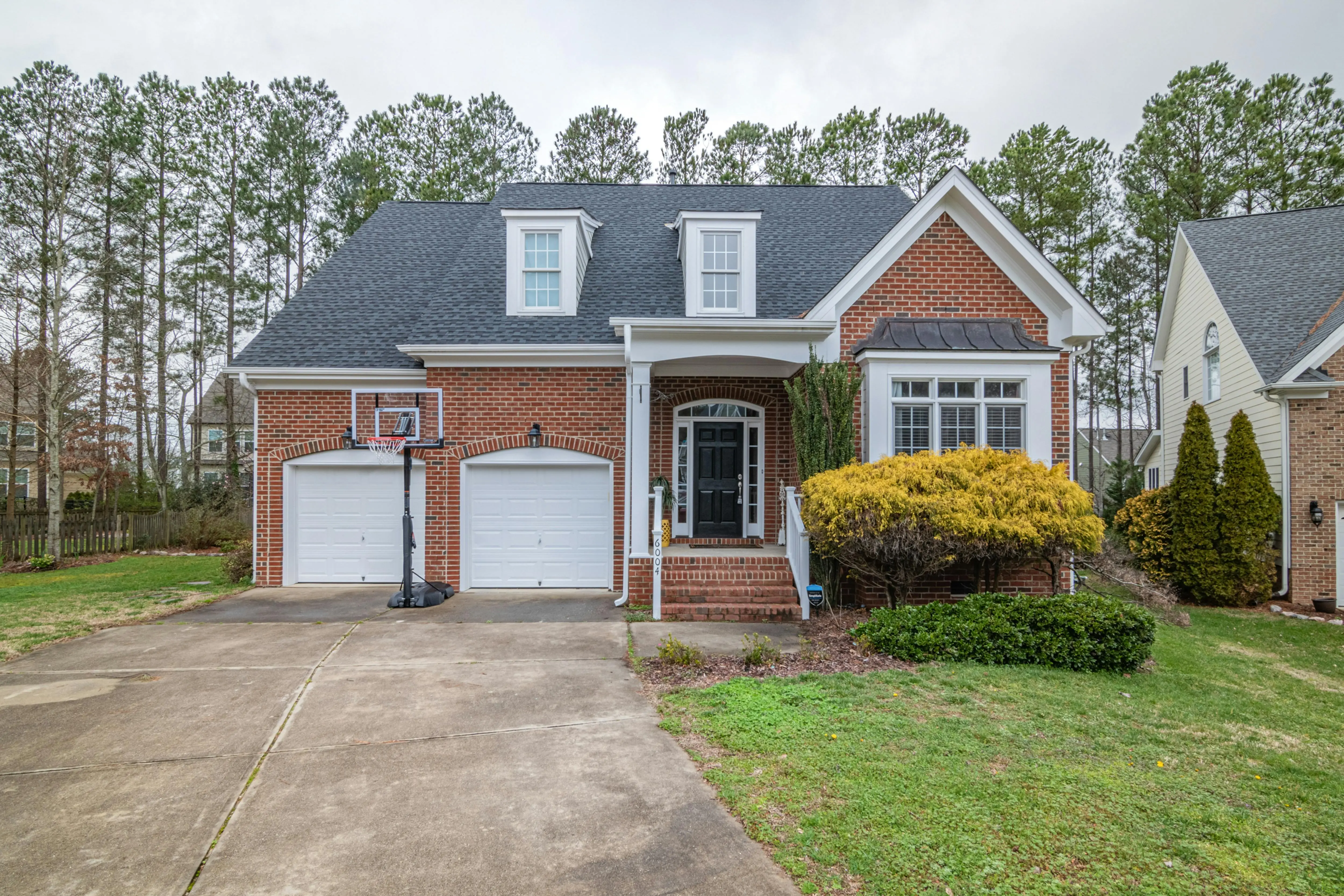
If you're about to pour a new driveway in Ohio, or even just widen the one you've got, there's a good chance a permit is involved somewhere in that process. It's one of those steps people overlook until a city inspector shows up and asks why there's fresh concrete where there wasn't a permit on file. Rules differ from one town to the next, and getting caught skipping them can result in fines, a stalled project, or in the worst cases, being told to tear it out and start over. Below is a rundown of how driveway permitting actually works in Ohio: when you need one, what's typically required, and how to get through the process without losing your mind.
Why Permits Exist in the First Place
It's easy to see permits as red tape, but there's a practical reason behind them. A driveway ties directly into the public road system, and how it's built affects sidewalks, drainage lines, buried utilities, and the flow of traffic right outside your house. Local governments review driveway plans so that one homeowner's project doesn't create a hazard or a headache for everyone else on the street.
Therefore, no, getting a permit isn't a suggestion. In most Ohio cities and counties, it's a legal requirement any time you're putting in a new driveway, changing an existing one, or moving where it connects to the road.
When a Permit Is Actually Required
Not every tweak to your driveway will send you to city hall. Repainting a sealant coat or patching a crack usually isn't a big deal. But once you start changing the structure, size, or location, permits tend to come into play. That includes things like:
- Building a brand-new driveway that connects to a public street
- Moving the driveway's entry point somewhere else on the lot
- Adding a circular drive, a second driveway, or any extra access point
- Widening or extending a driveway that's already there
- Switching materials in a way that changes how water drains off the surface
And keep in mind, your specific town or county might tack on additional rules depending on the zoning classification, what kind of road you're connecting to, and whether the property is residential or commercial.
The Three Main Categories of Driveway Permits
Depending on where the driveway sits and what it connects to, you'll generally be dealing with one of three permit types.
Residential Permits
These are the ones most homeowners run into. They cover single-family homes and focus mainly on making sure the design lines up with local zoning and basic safety standards.
Commercial Permits
They carry a heavier review process. Because commercial properties usually see more traffic, the approval often involves engineering analysis that residential applications don't need.
ODOT Permits
This comes into play when the driveway connects directly to a state highway. In that case, you're not dealing with the city, you're dealing with the Ohio Department of Transportation, and they'll want a much closer look at how the driveway affects traffic flow and road safety before signing off.
What Reviewers Are Actually Checking For
Every municipality writes its own rulebook, but a handful of requirements show up almost everywhere.
Where It Sits
Driveways need enough distance from intersections, traffic signals, and neighboring driveways. This isn't arbitrary, it's there to cut down on collisions and keep traffic moving smoothly.
Where the Water Goes
This one trips people up constantly. A driveway can't block or redirect runoff in a way that floods a yard or erodes the soil nearby. Plenty of jurisdictions will require proper grading, and some want a drainage system built in.
How Wide It Is
Width limits exist so entry and exit stay safe. A driveway that's too wide can actually work against you in a residential zone, so don't assume bigger is automatically better.
What It's Made Of
Concrete, asphalt, and gravel cover most driveways, but some areas restrict certain materials outright or require a specific installation method to be used.
Getting the Permit
The process itself isn't complicated once you know the order of operations.
Start with a Phone Call
Reach out to your city or county's engineering or zoning office before you finalize anything. They'll tell you exactly what's expected in your area, which can save you from redoing paperwork later.
Gather Your Documents
Most applications will ask for a site plan showing where the driveway goes, your property boundaries and dimensions, the distance from intersections or nearby structures, and details on construction methods and materials.
Submit Everything
Many jurisdictions let you apply online now, though some still want a paper application turned in at the office. Either way, double-check the details before you send it, small errors are one of the most common reasons applications get bounced back.
Sit Tight During Review
How long this takes really depends on the complexity of your project and which municipality you're in. Some approvals come back in days; others take weeks.
Plan for an Inspection
Once the driveway is built, an inspector may need to come out and confirm it matches what was approved on paper.
Rules That Are Easy to Forget
A few things tend to slip people's minds until they cause a problem:
- Sightlines at the entrance have to stay clear, no fences, shrubs, or structures blocking visibility
- The driveway can't cut into or block a sidewalk or pedestrian path
- Access onto highways is tightly controlled, far more than a typical side street
- Some properties will need a culvert installed to handle drainage properly
Brush past any of these and you could be looking at penalties, or worse, a forced rebuild.
Mistakes That Keep Showing Up
Most permit headaches in Ohio trace back to a small set of avoidable errors:
- Pouring concrete before the permit is actually approved
- Overlooking drainage requirements entirely
- Turning in plans that are missing details or just plain wrong
- Not checking local zoning rules before designing the driveway
- Using a material the municipality doesn't allow
None of these are hard to avoid, they just require a little patience before construction starts.
A Few Tips to Make the Process Less Painful
- Bring in a contractor who already knows Ohio's driveway rules
- Talk to local officials before your design is set in stone
- Go over your paperwork twice before submitting
- Build in extra time for approval delays
- Hold onto copies of every permit and approval document you receive
A little upfront planning goes a long way toward keeping the whole thing painless.
Final Thoughts
Ohio's driveway permitting rules aren't designed to make your life difficult, they're there to keep roads safe and infrastructure intact. Once you understand what's required and prepare your documents ahead of time, the process moves a lot faster than people expect.
If you'd rather not navigate all of this alone, Drivewayz USA works with homeowners across Ohio to make driveway projects, permits included far less of a hassle.
Frequently Asked Questions
Not for every little fix, but most new builds or major changes do require one. When in doubt, call your local authority and ask before you start.
It varies by location, but most permits come back within a few days to a couple of weeks.
Yes, as long as you stick to the approved plans and local construction standards. Don't be surprised if an inspection is still required afterward.
Generally yes, width restrictions depend on your zoning and the type of road you're connecting to. Your local office can give you the exact numbers.
You're risking fines, penalties, or being ordered to modify or remove the driveway to bring it into compliance.