
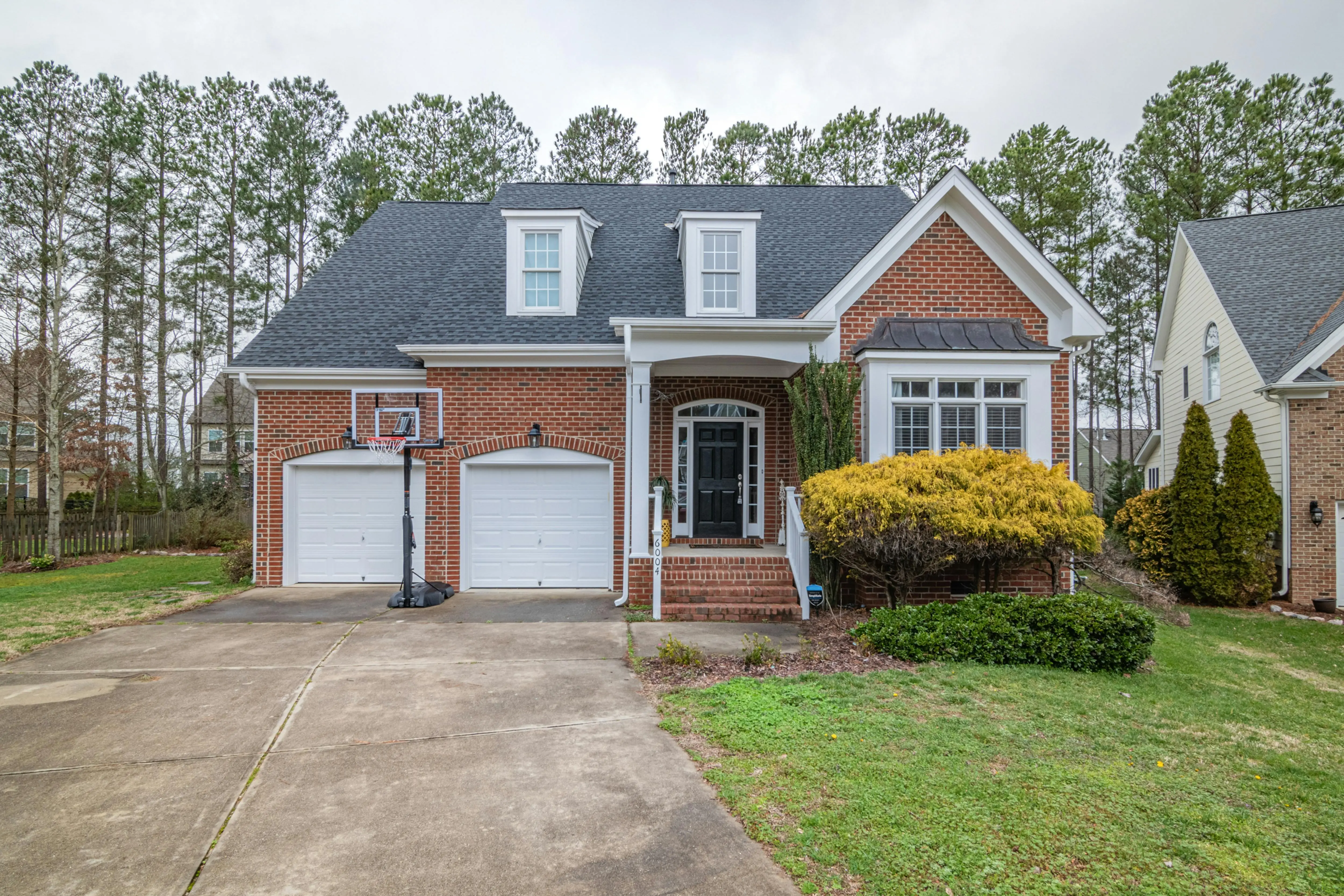
Understanding Driveway Permits and Regulations in North Carolina
Thinking about widening, repaving, or adding a brand-new driveway in North Carolina? Before you start pouring concrete or laying pavers, you need to know the rules. Driveway permits and regulations in North Carolina can vary from the mountains of Asheville to the coast of Wilmington. This guide breaks down everything a homeowner must know—state statutes, local ordinances, DOT requirements, and practical steps—so your project stays legal, safe, and headache-free.
North Carolina State-Level Driveway Rules
State law gives the North Carolina Department of Transportation (NCDOT) authority over any driveway that connects to a public road. The key statute is 19A NCAC 02D. In plain English:
- You must have an NCDOT driveway permit for any new or modified entrance on a state-maintained road.
- Local cities or counties may layer on extra rules, but the state permit is the non-negotiable first step.
- Violations can trigger stop-work orders, fines, and removal of your driveway at your expense.
What Counts as a “Driveway” Under State Law?
Anything that lets vehicles cross the public right-of-way onto your land. That includes gravel tracks, circular drives, shared entrances, and even temporary construction accesses.
Private vs. Public Roads
State rules apply only to public roads. If your subdivision road is still technically private (check the NCDOT county map), you’ll follow HOA covenants instead. But most urban and suburban streets are public, so assume you need the permit unless you confirm otherwise.
County & City Driveway Codes: Where the Details Live
North Carolina has 100 counties and 550+ municipalities. Each can tweak driveway rules. Here are the hotspots homeowners ask about most:
Wake County (Raleigh, Cary, Apex)
- Right-of-way width: 50 ft on major collectors, 30 ft on local roads.
- Maximum driveway grade: 12 % within the first 20 ft from pavement edge.
- Concrete flare requirements: 6-inch thick apron, 18-inch stone base.
Mecklenburg County (Charlotte, Matthews, Huntersville)
- Requires both NCDOT permit and a Mecklenburg County ROW permit.
- Storm-water review if driveway disturbs >5,000 sq ft.
- Concrete crossover (apron) must match city standard detail; asphalt aprons rarely approved.
Coastal Counties (New Hanover, Brunswick, Pender)
- CAMA (Coastal Area Management Act) review for lots within 75 ft of estuarine waters.
- Driveway culverts sized for 25-year storm; must be concrete or aluminized steel.
- Sand-set pavers allowed only with geo-textile underlayment to prevent migration.
Mountain Counties (Buncombe, Henderson, Watauga)
- Steep slope ordinances may limit driveway grade to 10 %.
- Geo-technical report required if cut/fill >4 ft.
- Winter weather clause: turnaround areas recommended for emergency vehicles when grade >8 %.
Action tip: Search “[Your County] driveway ordinance” online. Most counties keep a 2-page ordinance PDF that’s easier to read than the full code book.
Step-by-Step: Getting Your Driveway Permit in NC
1. Pre-Application Homework
- Verify road jurisdiction (NCDOT map or call 919-707-2800).
- Print a scaled site plan (minimum 1” = 50’) showing property lines, setbacks, existing & proposed driveway, utilities, drainage.
- Measure sight-distance triangles; NCDOT won’t approve if you block visibility.
- Take photos of the road edge and any nearby driveways.
2. Submit the NCDOT Application
- Online portal: NCDOT Driveway Permit System (free account).
- Upload PDFs: site plan, drainage plan, erosion-control sketch.
- Pay fee: $40 for residential, $100 for commercial or multi-family.
3. Local Review Layer (If Applicable)
Some cities (Charlotte, Greensboro, Durham) auto-notify their own inspectors. Others require you to walk the plan into the counters. Budget 5–10 extra days.
4. Field Inspection
An NCDOT area engineer will schedule a site visit within 14 calendar days. Flag your proposed edges with stakes and ribbon the day before; it speeds approval.
5. Receive Permit & Conditions
Typical conditions: culvert size, apron thickness, seed & mulch disturbed areas within 7 days, maintain 30-ft sight triangle free of vegetation >30 inches.
6. Build & Final Sign-Off
Call the inspector when apron is formed but before concrete pour. They’ll check elevation and flare width. After pour, email photos for closure. Keep the permit copy with your deed—it transfers to future buyers.
Top 5 Homeowner Mistakes (and How to Avoid Them)
- Skipping the permit for “just gravel.” NCDOT doesn’t care about surface type; if you break the curb or sod line, you need a permit.
- Measuring from the wrong point. Setbacks are measured from the right-of-way line, not the pavement edge. Look for survey pins or call 811 for utility marks to estimate.
- Planting trees in sight triangles. That cute little maple will grow and violate your permit. Use low groundcover under 30 inches instead.
- Using a neighbor’s old culvert. Culvert size is tied to your specific drainage area. Undersized pipes cause washouts and liability.
- Assuming HOA approval equals government approval. Your HOA can say yes and NCDOT can still say no. Always get the state permit first.
Permit Fees & Hidden Costs
| Item | Typical Cost (NC Triangle) | Who Pays |
|---|---|---|
| NCDOT driveway permit | $40 residential | Homeowner |
| City ROW permit (if required) | $50–$150 | Homeowner |
| Surveyor to find ROW pins | $400–$800 | Homeowner |
| Culvert (18” x 30’ aluminized) | $400 pipe + $200 install | Homeowner |
| Erosion-control blanket | $0.60 per sq ft | Homeowner |
| Re-inspection fee (if failed) | $50 | Homeowner |
Budget hack: Bundle driveway work with your contractor’s annual permit quota. Some paving companies file 50+ permits a year and absorb the $40 fee into the project price.
Drainage & Environmental Rules You Can’t Ignore
North Carolina gets 45–55 inches of rain a year. Poor driveway drainage can flood your foundation and the highway. Key regulations:
- Neuse & Tar-Pamlico River Rules (nutrient sensitive waters): Driveways >1,000 sq ft must capture and treat runoff. Solutions: 10-ft grass filter strip or 40 sq ft rain garden.
- Jordan Lake Rules (Chatham, Wake, Durham): New driveways need permeable surface or 1-inch onsite retention. Permeable pavers qualify; standard asphalt does not.
- Storm-water BMP Manual: Culverts must outlet to a stable area—riprap apron or level spreader—within 5 ft of pipe end.
DIY check: After a hard rain, watch how water flows. If you see sheet flow racing toward the road, plan a swale or small detention area before you pave.
When to Hire a Pro vs. DIY
You can save 30–40 % by installing your own gravel driveway on private land, but once you touch the public right-of-way, the risk skyrockets. Use this checklist:
- DIY OK: Sealing asphalt, edging pavers, spreading gravel on existing private lane.
- Hire a pro: Cutting curb, installing culverts, pouring concrete aprons, grading within ROW.
Look for contractors with NCDOT pre-qualification (search “NCDOT qualified contractors”). They know the inspectors by first name and carry the $1 million liability policy DOT wants.
Frequently Asked Questions
Standard NCDOT timeline is 14 calendar days from complete submission. If your lot needs extra drainage review or CAMA clearance, add 10–15 more days. You can speed things up by uploading a perfectly scaled plan and staking the site before the inspector arrives.
No. Widening inside your property line is fine, but the moment you expand the curb cut or alter the apron width, NCDOT considers it a modification and requires a new permit.
NCDOT can issue a cease-and-desist order, require you to remove the driveway, and bill you for any road repairs. Fines start at $500 but can climb into the thousands if drainage damage occurs. Insurance may also deny claims for accidents linked to unpermitted work.
Only if it connects to the public road. A turnaround entirely inside your property line is not regulated by NCDOT, but check local zoning for impervious-surface limits that could trigger storm-water rules.