
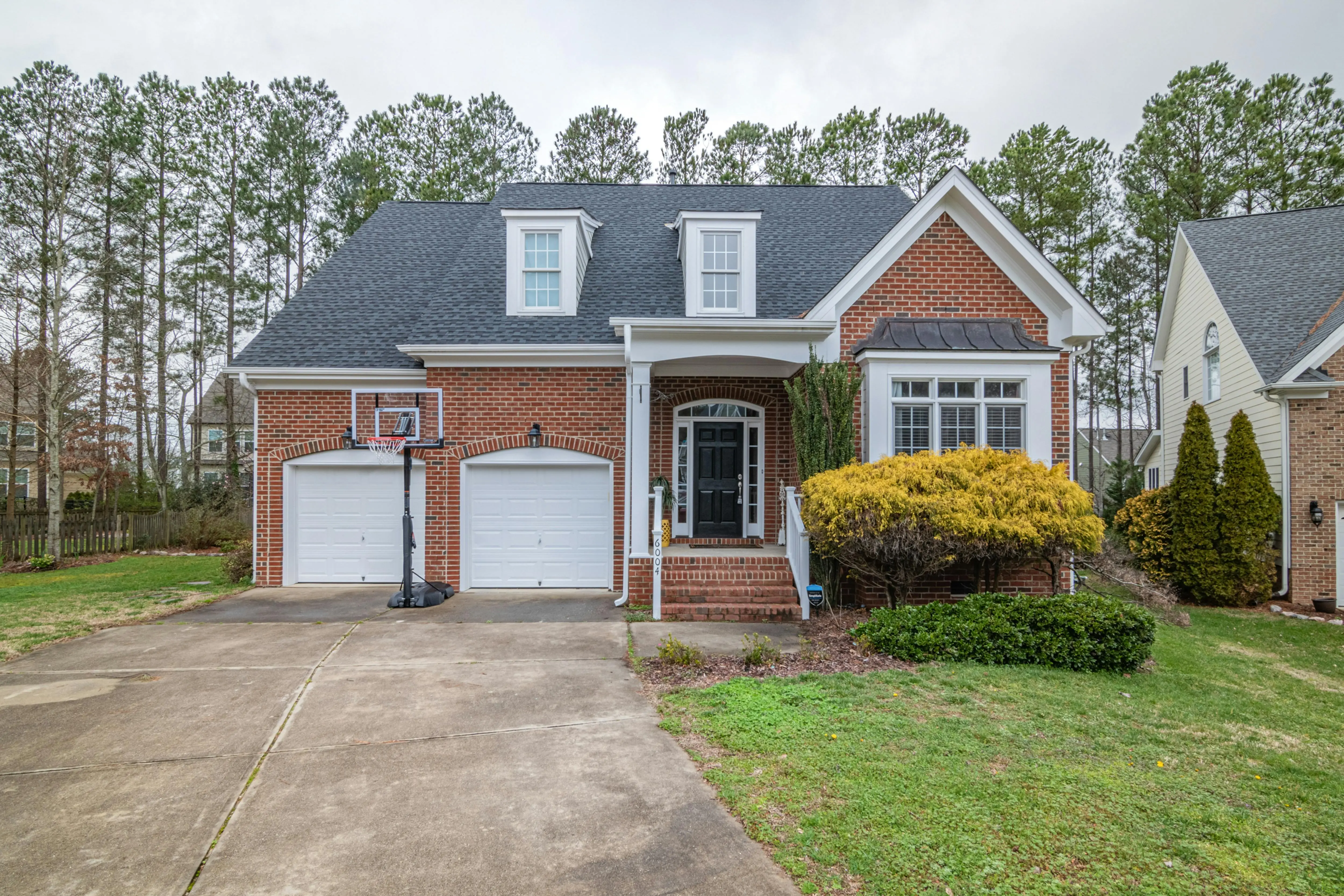
Why New Mexico Driveway Permits Matter
Whether you’re widening an existing concrete apron or installing a brand-new gravel lane, every driveway that touches a public roadway in New Mexico must meet state statutes and local development codes. Overlooking the permit step can trigger stop-work orders, fines, or even forced removal. The good news: the process is straightforward once you know which office handles what.
State vs. Local Authority: Who Controls Your Curb Cut?
- State highways (NM DOT): Any work within the NM DOT right-of-way (ROW) needs an Encroachment Permit.
- City streets: Most municipalities (Albuquerque, Las Cruces, Rio Rancho, Santa Fe) issue their own Driveway/Approach Permits.
- County roads: Bernalillo County, Doña Ana County, and others manage unincorporated areas through the Public Works department.
Your first task is to identify who owns the road edge your driveway crosses; Google Maps parcel layers or a quick call to 311 can clarify jurisdiction.
When a New Mexico Driveway Permit Is Legally Required
Permits are not optional for any of these scenarios:
- Creating a new curb cut or removing/replacing an existing one.
- Changing driveway width, radius, or slope.
- Adding a second apron (dual access) or circular drive that intersects the ROW.
- Installing a pipe culvert or widening a drainage crossing.
- Commercial or multi-family projects, even if the pavement already exists.
Simple resurfacing (asphalt overlay, seal-coat, or re-graveling inside your property line) usually does NOT require a permit—unless you alter drainage or the curb profile.
Code Highlights Every Homeowner Should Know
Maximum Slope & Clearance
NM DOT limits driveway grade to 12 % within the ROW; many cities tighten that to 8 %. A 2-ft “flare” at the curb keeps vehicle tailpipes from scraping.
Vision Triangle & Clear Sight Distance
No portion of the driveway can obstruct the vision triangle (typically 10 ft high by 20 ft back from the curb line). Fences, shrubs, or berming must stay below 30 in within that zone.
Minimum Setbacks from Utilities
- 5 ft horizontal from fire hydrants
- 3 ft from water meters, gas valves
- 1 ft from underground electric laterals (call 811 for locates)
Drainage & Environment
Driveways may not redirect storm water onto adjacent properties or overwhelm street gutters. In Albuquerque’s arroyo zones, you must show a hydrology worksheet proving post-project flow rates equal or better pre-project conditions.
Step-by-Step Permit Roadmap for Homeowners
1. Pre-Application Site Plan
Sketch or hire a surveyor to draw:
- Property lines, existing structures, sidewalks, utility poles
- Proposed driveway centerline, width, radius, and material
- Spot elevations at curb, property line, and garage pad
Free CAD templates are available on most city websites.
2. Dial Before You Dig: 811 & Utility Clearance Letter
Call 811 two business days before you intend to break ground. Many jurisdictions demand the ticket number on the permit form.
3. Submit Application Packets
| Jurisdiction | Portal/Email | Typical Review Days |
|---|---|---|
| NM DOT | dot.state.nm.us > Encroachment | 14–21 |
| City of Albuquerque | Permits.cabq.gov | 10 |
| Las Cruces | las-cruces.org > DP&I | 7–10 |
| Rio Rancho | rrnm.gov > Planning | 5–7 |
4. Pay Fees & Post Bond (If Required)
Residential driveway fees range from $40 (small counties) to $120 (Albuquerque). NM DOT may require a $2,000 refundable maintenance bond if you cut new curb and gutter.
5. Schedule Pre-Pour Inspection
Concrete cannot be placed until an inspector approves forms and rebar. Miss this step and you risk removal.
6. Final Inspection & ROW Restoration
After the pour, the inspector checks sidewalk repair, seeding, and barricade removal. You receive a sign-off letter—keep it for your closing documents if you refinance or sell.
Common Pitfalls That Delay Approval
- Wrong width: Albuquerque residential max is 30 ft; anything wider is classified commercial and triggers traffic study fees.
- Historic overlay: Santa Fe’s Historic Districts Review Board requires stamped drawings and color-matched concrete.
- Unlicensed contractor: State law requires any project over $7,200 to use a licensed GB-02 or EE-98 contractor; include their license number on the permit.
- Missing neighbor waiver: Shared driveways need notarized consent forms from adjoining owners.
What Does a Driveway Permit Cost in New Mexico?
Below are 2024 averages; always verify with the current fee schedule.
- NM DOT Encroachment: $95 base + $2 per linear ft of curb + $425 bond admin
- Albuquerque: $65 residential / $250 commercial
- Las Cruces: $40 + $0.50 per sq ft of sidewalk replaced
- Rio Rancho: $50 flat (includes first inspection; $25 re-inspect)
Professional plan drafting averages $250–$400, but many installers absorb the cost when you contract for the full job.
Green Building & Water Harvesting Tie-Ins
Permeable pavers qualify for a 10 % storm-water fee credit in Albuquerque’s “Green Stormwater Infrastructure” program. Mention your intent on the permit form so inspectors verify joint aggregate depth instead of standard concrete specs.
Questions to Ask Your Driveway Contractor
- “Will you pull the permit and schedule inspections under your license?” (Answer should be YES.)
- “Do you include ROW repair (sidewalk, curb, seed) in the bid?”
- “What is the contingency if rock hardness requires mechanical excavation?”
- “Will you provide the DOT bond or must I secure it?”
FAQs About Driveway Permits and Regulations in New Mexico
Yes, but you must submit an NM DOT Encroachment Permit showing a 12-ft width max and a 35-ft sight distance each way. If the highway speed limit exceeds 45 mph, you may need an engineered turn-out analysis ($1,200–$2,000).
NM DOT permits expire 180 days after approval; most city permits last 12 months. Extensions are granted once for an additional 90 days if weather or material delays can be documented.
No ROW involvement means no driveway permit. However, check county building codes for drainage or HOA architectural guidelines; those are separate from public road rules.
You’ll receive a written notice to “remove or legalize.” Fines start at $300 (city) and $500 (state) plus double permit fees. Continued non-compliance can place a lien on your property and stall future utility connections.