
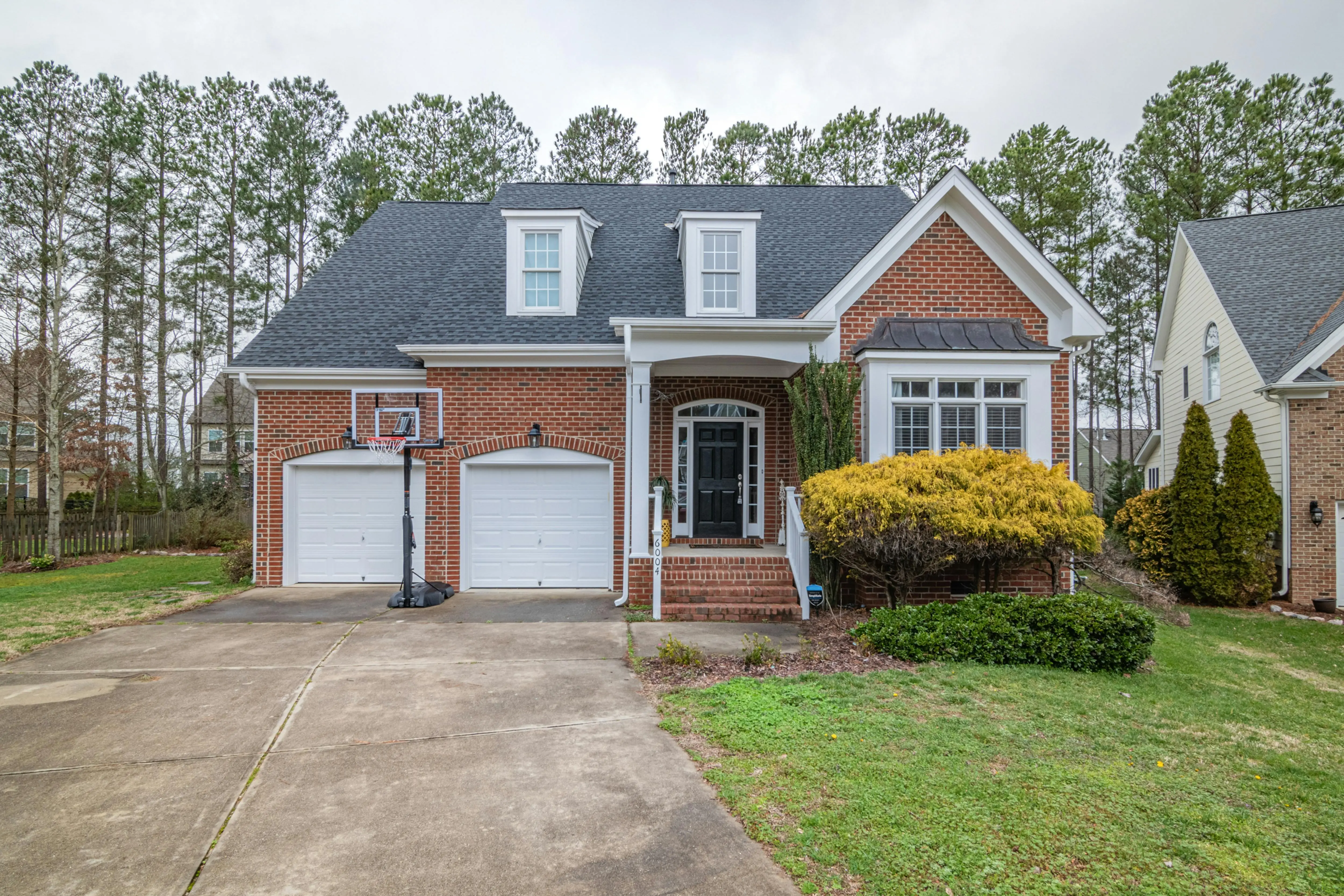
Why New Jersey Driveway Permits Matter
Building or upgrading a driveway in the Garden State is more than picking pavers and pouring concrete. Every inch that connects your private property to a public road is regulated. Skip the paperwork and you could face stop-work orders, daily fines, or the dreaded tear-out order. The good news? Most towns use the same core rules, and once you know the roadmap the permit process is straightforward. Below is the homeowner’s guide to Driveway Permits and Regulations in New Jersey—what you need, when you need it, and how to sail through inspections the first time.
Do You Need a Driveway Permit in New Jersey?
If your tires will touch a public street, the answer is almost always yes. State law (NJSA 27:7-44) gives municipalities authority over every “curb cut,” the technical term for the slice of sidewalk and apron that lets you enter the road. A handful of situations are exempt, but they are rare.
Common Permit Triggers
- New home construction with first-time driveway
- Widening, resurfacing, or re-aligning an existing apron
- Converting grass or gravel to asphalt or concrete
- Adding a second driveway mouth (dual curb cuts)
- Installing permeable pavers within the right-of-way
- Building a circular drive that intersects the street twice
Exemptions That Surprise People
- Interior resurfacing (e.g., chip-sealing the middle 80% of an existing drive) that does not widen or relocate the curb cut
- Private shared drive entirely on your own land between two lots you own—provided it never touches a municipal roadway
- Emergency repair of a collapsed apron under a town-declared state of emergency; you still file a retroactive permit within 5 business days
When in doubt, call the municipal engineer’s office. A two-minute phone call beats a two-week demolition order.
State vs. Local Rules—Who Actually Controls Your Curb?
New Jersey has 565 municipalities, and each can layer extra standards on top of state code. County roads and state highways add another layer. Use this quick reference to know which desk receives your application.
State Highway (Route 1, 9, 35, 73, etc.)
Owned by NJDOT. You need a Highway Access Permit plus local approval. Plan on 45–60 days and a $1,500–$3,000 review fee. Sight-distance studies and left-turn lane analysis are common.
County Roads (e.g., Essex County Route 509)
Each county has its own Division of Engineering. Expect 30-day review, traffic impact letter, and drainage calculations. Fees run $600–$1,200 for a single-family driveway.
Municipal Streets
The bulk of driveways. Review time 10–20 days, fees $75–$400, and you still follow the state “Residential Driveway Standard Detail” for slope, radius, and clear zone.
Pro tip: If your street line is invisible, check the New Jersey Geographic Names website or plug your block-and-lot into the county GIS; it labels road jurisdiction in the parcel layer.
Step-by-Step Permit Application
Most towns now accept digital uploads via Citizens Access or OpenGov. Paper packets are still accepted, but going digital trims a week off review.
1. Pre-Application Site Meeting (Optional but Smart)
Bring a rough sketch to the municipal engineer. Ask about overhead utilities, mature trees >6 in. diameter, and sidewalk ADA transitions. These items kill more projects than drainage.
2. Hire a New Jersey Licensed Professional
Plans must be stamped by a Licensed Professional Engineer (PE), Land Surveyor (LS), or Registered Architect (RA) if:
- Driveway slope exceeds 8%
- Curb cut is wider than 24 ft
- Any portion is within 50 ft of a wetland or storm-water outfall
For vanilla 12-ft-wide drives on level lots, many towns accept a homeowner-drawn plan, but the stamp speeds approval.
3. Required Documents Checklist
- Application form (each town has its own; download from website)
- Two sets of plans showing existing/proposed topography, driveway profile, sidewalk details, and sight-distance triangle
- Traffic visibility worksheet (usually NJDOT Form ST-8)
- Soils erosion control certification (CESCL) if disturbance >5,000 sq ft
- Utility clearance letters: PSE&G, Verizon, Comcast, water, sewer
- Neighbor notification affidavit (certified mail receipts or signed waivers)
4. Pay Fees & Wait
Credit-card payments add a 2.5% convenience fee; ACH is free. Typical timeline:
- Week 1 – Administrative completeness check
- Week 2 – Engineering review and comments
- Week 3 – Re-submit revised sheets (if any)
- Week 4 – Permit issuance and pre-construction inspection
Key Driveway Regulations You Must Meet
Width & Radius Standards
- Single-family: 9 ft min, 24 ft max curb-cut width (12 ft typical)
- Return radii: 10 ft min, 25 ft max to keep sidewalk cross-slope ADA compliant
- Commercial or multi-family: 24–35 ft depending on traffic generation study
Slope & Drainage
- Max grade within right-of-way: 8% for first 10 ft back of sidewalk
- Cross-slope: 2% min for positive drainage, 4% max so cars don’t scrape
- No direct discharge onto pavement; use 12-in. splash block or underground leader
Clear Zone & Sight Distance
- Corner lots: 25-ft sight triangle (no hedges, fences, or berms >30 in.)
- Driveway must be 5 ft min from side property line unless both neighbors sign a shared-access agreement
- 3-ft min clearance from fire hydrants, 5-ft from utility poles
Material & Thickness
- Asphalt: 2 in. surface course + 4 in. base course over 6 in. sub-base
- Concrete: 6 in. thick, 4,000 psi, with 6×6 #10 wire mesh or 1-in. rebar grid
- Permeable pavers: ICPI certified, 30% min void space, underdrain to storm system
How Much Does the Permit Cost?
Fees vary by municipality and road owner. Use the table below to budget:
| Jurisdiction | Base Fee | Additional per sq ft | Inspection Fee |
|---|---|---|---|
| Municipal street | $75–$200 | $0.10–$0.25 | $50–$100 |
| County road | $300–$600 | $0.25 | $150 |
| NJDOT highway | $1,500 | $0.50 | $75/hr inspector |
Extras that sneak up:
- Tree removal permit: $50–$250 per tree
- Sidewalk replacement: $15 per sq ft if damaged during construction
- Escrow deposit: 150% of estimated cost to fix road/sidewalk if you disappear mid-job
Inspection Timeline & Punch List
Once your permit is issued, work must start within 180 days and be completed within 1 year (extensions cost $75). Expect three inspections:
Pre-Pour or Pre-Set
Inspector checks excavation depth, base stone, and rebar placement. Have your permit card on-site and utility mark-outs (811 ticket) visible.
Final Surface
After asphalt is laid or concrete cured, the inspector verifies slopes, widths, and drainage. Take photos for your file; they protect you if a neighbor later claims runoff.
Sidewalk & Restoration
Any disturbed curb, apron, or sidewalk must match existing elevations. Cold-patch is not acceptable; hot-mix or full-depth concrete is required. Fail this and you’ll redo it on your dime plus a $250 re-inspection fee.
Top 5 Homeowner Mistakes (And How to Avoid Them)
- Guessing the property line. A $400 survey is cheaper than tearing out a 2-ft slice that belongs to the town.
- Ignoring winter moratoriums. Many towns ban asphalt work November 15–March 15; concrete needs 40°F min for 72 hrs.
- Planting trees near the apron. Roots lift sidewalks and violate the 3-ft clear zone—future liability nightmare.
- Skipping the 811 call. Hitting a gas main triggers a $5,000 fine plus emergency crew costs.
- DIY on a state highway. NJDOT requires performance bonds and certified payroll; hire a pro.
Eco-Friendly Options & Incentives
New Jersey’s new storm-water rules (NJAC 7:8) encourage permeable surfaces. Some towns rebate $1 per sq ft up to $500 if you install permeable pavers or porous asphalt. Check with your local Environmental Commission; they often have a simple one-page application and like seeing photos of the finished job.
Frequently Asked Questions
For municipal streets, allow 2–4 weeks from submission to permit in hand. County roads average 4–6 weeks, and NJDOT highways run 6–10 weeks unless a full traffic study is required. You can cut a week by submitting digitally and responding to engineer comments within 48 hours.
Yes, provided the total curb-cut width stays under 24 ft for single-family lots and you maintain 5 ft from the side property lines. If you need more than 24 ft, you’ll need a variance from the zoning board plus proof of adequate on-site parking. Always include a drainage plan; wider aprons collect more runoff.
If you are resurfacing the middle section and not widening, relocating, or changing the curb cut, most towns classify it as maintenance and no permit is required. If the apron (the part within the sidewalk line) is being milled or re-graded, you need an over-the-counter “minor repair” permit—usually $50 and same-day approval.
You’ll receive a cease-work order and a summons that carries fines of $500–$2,000 per day. The municipality can also place a lien on your property for the cost of restoring the sidewalk or road. Insurance claims for trip-and-fall injuries on an illegal curb cut can be denied. Bottom line: the permit costs far less than the penalty.