
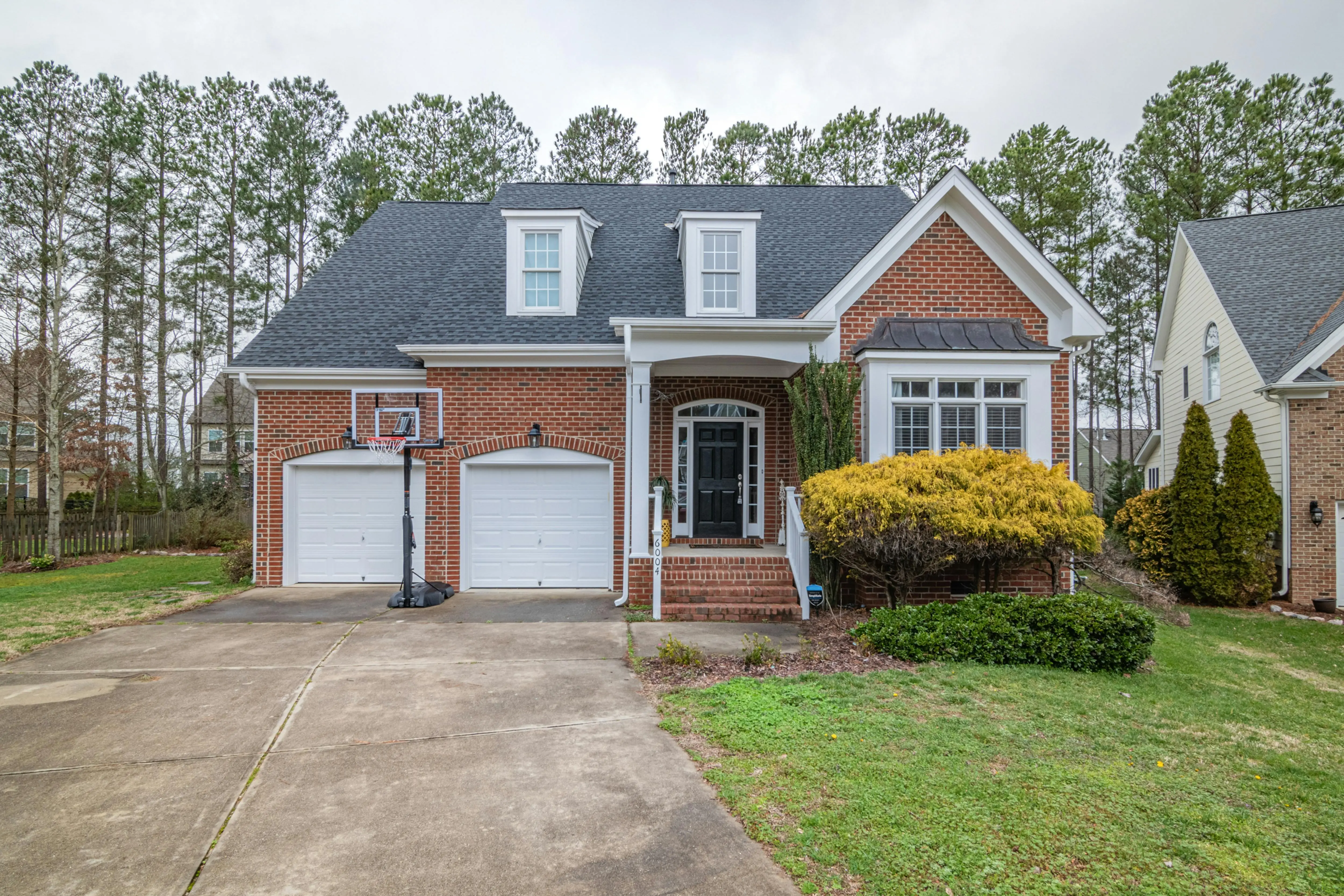
Why Missouri Driveway Rules Matter
Building or replacing a driveway seems simple—until you realize Missouri has no single statewide code. Instead, every county, city, and even subdivision can layer on its own rules. Missing one permit can trigger stop-work orders, fines, or the dreaded “tear-it-out-and-start-over” letter. Understanding Driveway Permits and Regulations in Missouri before you call a contractor saves time, money, and neighborly goodwill.
Driveway Permits 101 in Missouri
A driveway permit is written permission to build, widen, or modify any vehicular access that connects private property to a public road. In Missouri, three layers of government can require one:
- MoDOT – for any work touching a state-maintained road (lettered highways, U.S. routes, interstates).
- County Highway Department – for county roads.
- City Public Works – for municipal streets and alleys.
If your curb cut touches two jurisdictions (common in St. Louis County or around Springfield), you may need dual permits. Always start with the agency that maintains the road surface.
When a Permit Is Legally Required
- New driveway construction.
- Widening an existing apron by more than 1 ft on either side.
- Changing the radius or adding a second access.
- Switching surface type (e.g., gravel to concrete) if it alters drainage.
- Installing heating cables or permeable pavers that affect storm runoff.
Repaving in kind—same width, same location—usually needs only a simple right-of-way encroachment form, not a full engineering review.
Regional Code Snapshots
Below are the quirks we see most often on Drivewayz USA job sites. Rules change, so always verify with the local permit office before breaking ground.
Kansas City & Jackson County
- Driveway width capped at 24 ft for single-family; 30 ft max if the lot exceeds 150 ft frontage.
- Concrete apron must be 6 in. thick, 4,000 psi, with ½-in. rebar on 24-in. centers.
- Permit fee: $70 plus $0.25 per square foot of disturbed right-of-way.
- Inspection required before concrete pour; call 48 hrs ahead.
St. Louis County (Unincorporated)
- Road classification sheet determines allowable width—collector roads 18 ft max, residential 24 ft.
- Must submit a sight-distance diagram if the driveway is within 150 ft of a curve.
- No permit issued until a licensed storm-water inspector approves the erosion-control plan.
Springfield & Greene County
- Permit valid 180 days; extensions cost $25 each.
- Permeable driveways get a 25% storm-water fee credit on the monthly utility bill.
- Corner lots need a 25-ft “clear zone” from the curb return; no driveway allowed closer.
Rural Counties (Howell, Camden, Phelps, etc.)
- County only regulates the first 15 ft off the pavement; everything behind is land-use exempt.
- Gravel driveways still need a culvert permit if you install or replace a pipe.
- No engineering stamp required for residential pipes ≤ 24 in. diameter.
Step-by-Step Permit Application
Gather Your Paperwork
- Property survey or plat showing existing right-of-way, utility easements, and proposed driveway footprint.
- Driveway plan view (top-down) with dimensions, radii, and distance to nearest intersecting driveway.
- Profile view (side cut) showing proposed grades, culvert size, and finished floor elevation of garage.
- Contractor’s license & insurance—most cities require a $1 M general liability policy naming the municipality as additionally insured.
- Erosion- and sediment-control sketch (simple silt fence layout is enough for most residential jobs).
Submit and Pay
- Apply online through the city/county portal or in person at Public Works.
- Pay the base fee (ranges $40–$150 statewide) plus any road-impact or inspection surcharges.
- Wait for initial review—typically 5–10 business days. Complex entrances can take 4–6 weeks.
Pass Inspection
Two inspections are normal:
- Rough grade: inspector checks location, width, and culvert placement before concrete or asphalt.
- Final: verifies compliance with thickness, slope, and restoration of right-of-way.
Call the inspection hotline at least 24 hrs ahead. Missed inspections can restart the 48-hr curing clock and delay your project.
HOA Covenants & Utility Clearances
Even when the city says “yes,” your Homeowners Association can say “no.” Read the Covenants, Conditions & Restrictions (CC&Rs) for:
- Approved surface materials (some ban asphalt or dyed concrete).
- Color swatch requirements (common in stone-facade subdivisions).
- Setback lines that exceed municipal code.
Next, call Missouri 811 at least 3 business days before you dig. Driveway crossings frequently hit gas mains and fiber lines. Marking is free and protects you from costly repairs.
Typical Costs and Timeline
| Item | Price Range (Missouri 2024) |
|---|---|
| City driveway permit | $40 – $150 |
| MoDOT state-road permit | $200 base + $40 per 100 ft of frontage |
| Culvert pipe (18-in. x 20 ft) | $300 – $450 |
| Engineering stamp (if required) | $400 – $800 |
| HOA application fee | $0 – $250 |
From permit submission to final inspection, allow 3–5 weeks for city streets and 6–10 weeks for state roads. Schedule concrete crews after the rough-grade approval, not before, to avoid standby charges.
Green Driveway Solutions That Still Meet Code
Missouri municipalities are warming up to sustainable options. Permeable pavers, resin-bound gravel, and reinforced grass grids reduce runoff and can earn storm-water fee discounts. To stay compliant:
- Keep the base layer depth in your permit drawings—inspectors want to see 6–8 in. of ASTM #57 stone.
- Submit porosity test results if your city follows KC Metro’s “Post-Construction Runoff” rule.
- Edge restraints must still handle a 20,000-lb truck load; plastic lawn edging is not enough.
Drivewayz USA often couples permeable systems with channel drains to handle Missouri’s heavy spring rains while satisfying picky inspectors.
Penalties for Skipping the Permit
Missouri’s enforcement is no longer just a slap on the wrist:
- Kansas City code §68-425: $500–$1,000 fine plus double permit fees retroactively.
- St. Louis County can place a lien on the property until restitution is paid.
- MoDOT may remove an illegal entrance at the owner’s cost—bills average $3,500.
Insurance claims can also be denied if an unpermitted driveway contributes to an accident. Bottom line: getting caught costs 3× more than doing it right the first time.
Working With a Contractor—Red Flags & Smart Questions
- Ask for a copy of the written permit before any equipment arrives. Reputable companies like Drivewayz USA file paperwork as part of the contract.
- Verify additional-insured endorsement is current; demand a PDF sent directly from the agent.
- Be wary of “we’ll include the permit fee” without naming the exact dollar amount—some crews eat the cost, then cut corners on reinforcement.
- Insist on a post-installation compliance packet: marked survey, inspection sign-offs, and warranty. You’ll need it for future refinancing or resale.
Frequently Asked Questions
If the widening stays off the public right-of-way, usually no. The moment you touch the county-maintained portion—especially the culvert or first 15 ft of gravel—you’ll need a right-of-way encroachment permit. Call your county highway administrator with your parcel number; they’ll tell you in under five minutes.
Most city and county permits expire 6–12 months after issuance. MoDOT permits are good for one construction season (typically April–October). One free extension is common if you request it before expiration; after that, you repay the base fee.
Homeowners can pull their own permits on property they occupy. You still follow the same rules, inspections, and insurance requirements. For state highways, MoDOT requires a contractor with a Missouri Highway Permit Account; DIY is not allowed.
You receive a written deficiency list. Minor items (missing rebar chair, low spot) get 10 days to fix; major ones (wrong location, inadequate thickness) require a modified plan and re-inspection fee. Drivewayz USA includes a follow-up visit in our service so homeowners never pay twice.