
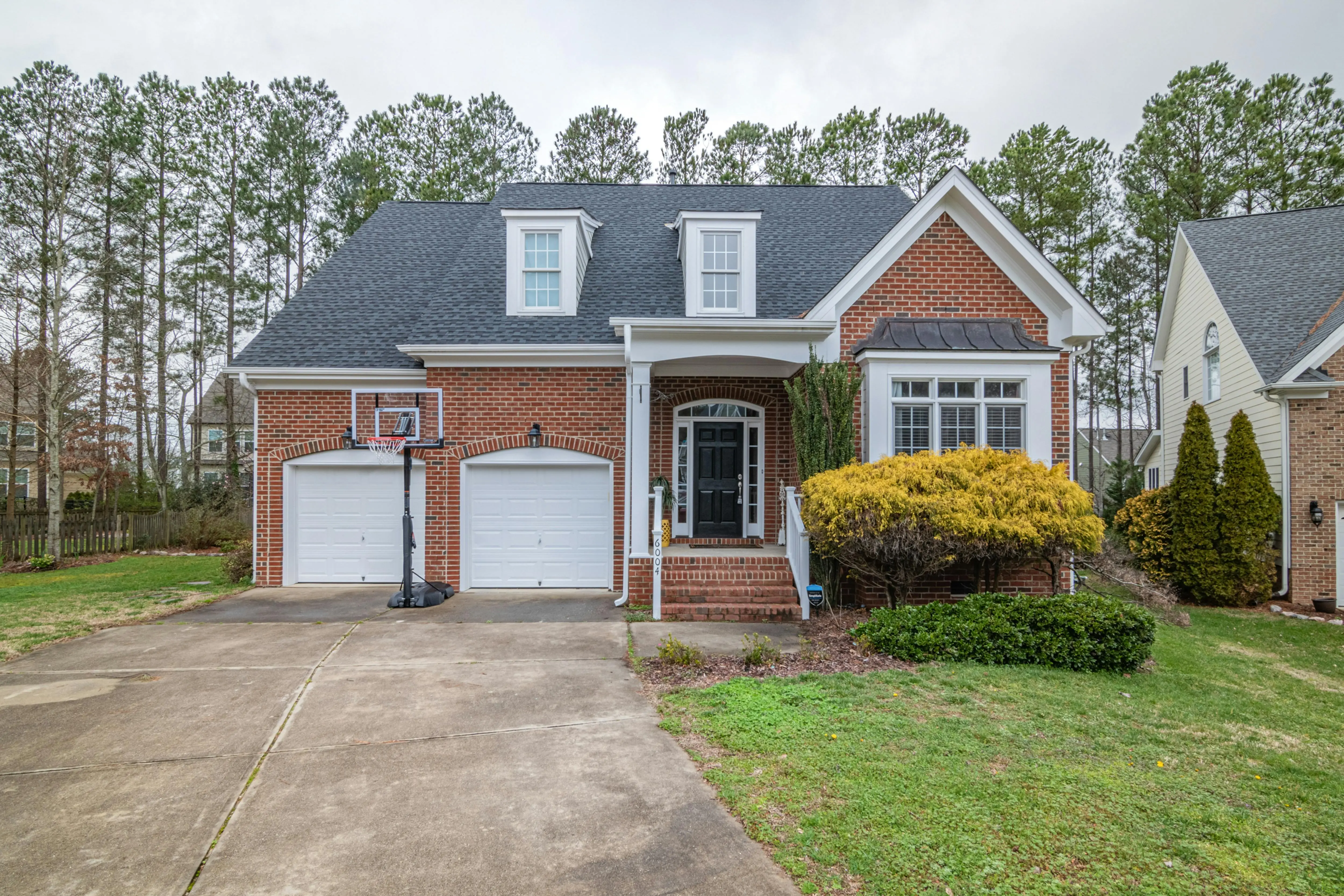
Driveway Permits and Regulations in Maine: What Every Homeowner Should Know
Adding or upgrading a driveway in Maine is more than picking asphalt or concrete. State law, town ordinances, and even seasonal weight limits can stop a project cold if you skip the permitting step. This guide walks you through the entire process—forms, fees, setbacks, drainage, and winter rules—so your driveway meets code the first time and you avoid fines or tear-out orders.
Why Permits Matter in Maine
Maine sees heavy freeze-thaw cycles, coastal salt spray, and logging trucks sharing rural roads. Because of that, the Maine Department of Transportation (MaineDOT) and local code officers enforce strict driveway standards to:
- Protect road shoulders from crumble and sinkholes
- Keep sight-lines clear for moose, bicycles, and school buses
- Prevent storm-water from washing gravel onto state highways
Work without a permit and you can be forced to remove the driveway at your expense—plus pay daily fines that top $500 in many towns.
State vs. Local Rules: Who Actually Regulates Your Driveway?
MaineDOT Driveway Law (Title 23 §704)
If your new opening connects to any state or state-aid highway, you need a MaineDOT Driveway Permit. That covers most numbered routes (e.g., Rt. 1, Rt. 302) and many rural "A" roads. MaineDOT uses a 6-page application, a $35 base fee, and a 30-day review clock.
Municipal Ordinances
On town roads, the local code officer issues the permit. Rules vary widely:
- Portland & South Portland: Require engineered drainage plans for any impervious surface over 500 sq ft.
- Bangor: Demands a 15-ft setback from hydrants and 5-ft from side property lines.
- Shoreland Zoning (statewide):strong> Within 250 ft of a great pond or river, the driveway must be 25 ft from the high-water mark and use permeable materials if possible.
Always call both the town office and the regional MaineDOT office; many driveways cross a short town road to reach a state highway, triggering dual permits.
Step-by-Step: How to Get a Driveway Permit in Maine
1. Pre-Application Site Check
- Measure road frontage and existing utilities.
- Look for wetlands flags; if you see cattails or red maple, request a DEP wetlands review.
- Shoot grade elevations from the road crown to the garage site; MaineDOT caps driveway slope at 12 % for the first 20 ft.
2. Sketch Plan & Paperwork
You don’t need a surveyor for a standard residential permit, but you do need:
- Scaled site sketch (1" = 20' is typical) showing lot lines, proposed driveway, drainage ditch, and any trees over 6" diameter.
- Traffic sight-distance diagram—MaineDOT wants 270 ft visibility on 40 mph roads.
- Erosion-control notes: silt fence locations, culvert size, and crushed stone depth (minimum 12" on soft soils).
3. Submit & Pay Fees
Online submission is now open in Districts 1, 2, and 4. Mail-in still accepted statewide.
| Application Type | State Fee | Typical Town Fee |
|---|---|---|
| New residential driveway | $35 | $25–$75 |
| Commercial/Shared | $70 | $100–$300 |
4. Site Inspection
An examiner will flag the proposed throat width (8–24 ft allowed), check shoulder base, and confirm culvert size. Be on site to answer questions; a quick adjustment on the spot can save a second trip.
5. Permit Pickup & Conditions
Permits are valid for two years. Common conditions include:
- Install 15" minimum plastic culvert if ditch exists.
- Top with 6" of 1½-inch crushed gravel compacted to 95 % Modified Proctor.
- Call for final inspection before paving.
Hidden Costs & Timing Tips
- Spring Weight Restrictions: From mid-March to mid-May many roads are posted; hauling 20 tons of gravel during that window can earn you a $1,000 penalty.
- Catch Basin or Headwall: If the roadside ditch flows to a brook, you may need a $400 pre-cast catch basin to filter sediment.
- Tree Removal Permit: Portland and a dozen other towns require a separate $25 tree permit for every hardwood over 24" DBH.
Book your contractor before April; the best crews in Maine are booked solid once mud season ends.
Zoning Setbacks & Design Standards
Width & Radius
MaineDOT standard is 12 ft travel lane plus 2 ft gravel shoulders on each side. A 16-ft total throat width keeps you from needing a $300 engineering waiver.
Clear Zone
No structures (rocks, walls, posts) within 8 ft of the pavement edge on 35 mph roads. Mailboxes must be break-away style.
Turnaround for Long Driveways
Fire departments recommend a 40-ft radius hammerhead or 60-ft diameter turn-around if the drive exceeds 150 ft. Some insurance carriers give a 5 % discount when you provide the fire chief’s letter of approval.
Drainage & Environmental Rules
Maine is under EPA MS4 storm-water rules. Any driveway that adds 15,000 sq ft of impervious surface triggers a full Site Location of Development permit. For most homes, focus on these bullet-proof practices:
- Berm the first 10 ft with 6" of crushed ledge pack so water sheets into your yard, not the road.
- Use a 12" culvert minimum—even if the ditch is dry in July—because spring melt can move a 2-ft ice slab.
- Seed and mulch disturbed areas within 7 days; hay bales alone no longer pass code.
Seasonal Weight Limits & Winter Plowing
MaineDOT posts "Seasonal Weight Limit" signs that ban heavy deliveries. Check the live posting map before you schedule material drops. For plowing, code requires:
- 8-ft mailbox clearance so the wing blade doesn’t shear it.
- No snow pushed across the travel lane; pile on the right, 3 ft behind the white fog line.
Violations can earn a $250 civil penalty and liability if a crash occurs.
Choosing a Driveway Contractor Who Knows Maine Codes
Ask these five questions before you sign:
- "Do you pull the permit or do I?" A pro handles it; if you do it, they should still review the sketch.
- "What’s your gravel spec?" Insist on 1½-inch crushed ledge pack for base and ¾-inch for top course.
- "Will you call utilities?" Dig Safe tickets are free but mandatory 48 hrs before shovel hits ground.
- "Can you meet the 30-day inspection window?" Weather happens; reputable crews tarp the entrance so it doesn’t erode while you wait for the final.
- "Are you insured for code non-compliance?" Most policies exclude fines; look for a rider or performance bond.
Common DIY Mistakes That Trigger Red Tags
- Widening an existing apron without a modification permit—treated as "new construction."
- Using reclaimed asphalt grindings within 250 ft of a lake; considered impervious by DEP.
- Installing a pipe too small; upsizing later means cutting fresh pavement and paying twice.
- Planting privacy shrubs in the clear zone; wardens can order removal during moose migration season.
FAQ: Driveway Permits and Regulations in Maine
State permits (MaineDOT) have a 30-day statutory review. Most simple residential approvals finish in 10–14 business days if your sketch is complete. Town permits range from same-day walk-through (small rural towns) to 3–4 weeks in cities like Portland that require planning board sign-off for shared drives.
Asphalt plants in Maine usually close mid-December to mid-March. Even if you find a plant open, the base must be unfrozen and 40 °F rising. For concrete, the magic number is 50 °F for 48 hrs. Most code officers will not do final inspections on frozen gravel, so schedule base prep before Thanksgiving.
No—culvert size and type are written directly into the driveway permit. If you need to span more than 10 ft or alter a brook classified as "significant," you’ll trigger an Army Corps & DEP Stream Crossing permit. For typical 12–24 inch plastic pipes, the driveway permit covers it.
MaineDOT can issue a "Remove & Restore" order plus a $250–$500 per day fine retroactive to the day you cut the curb. Your town can place a lien on the property and withhold occupancy certificates for any future sale. Insurance claims can also be denied if an accident traces to an illegal driveway slope or sight-distance issue.