
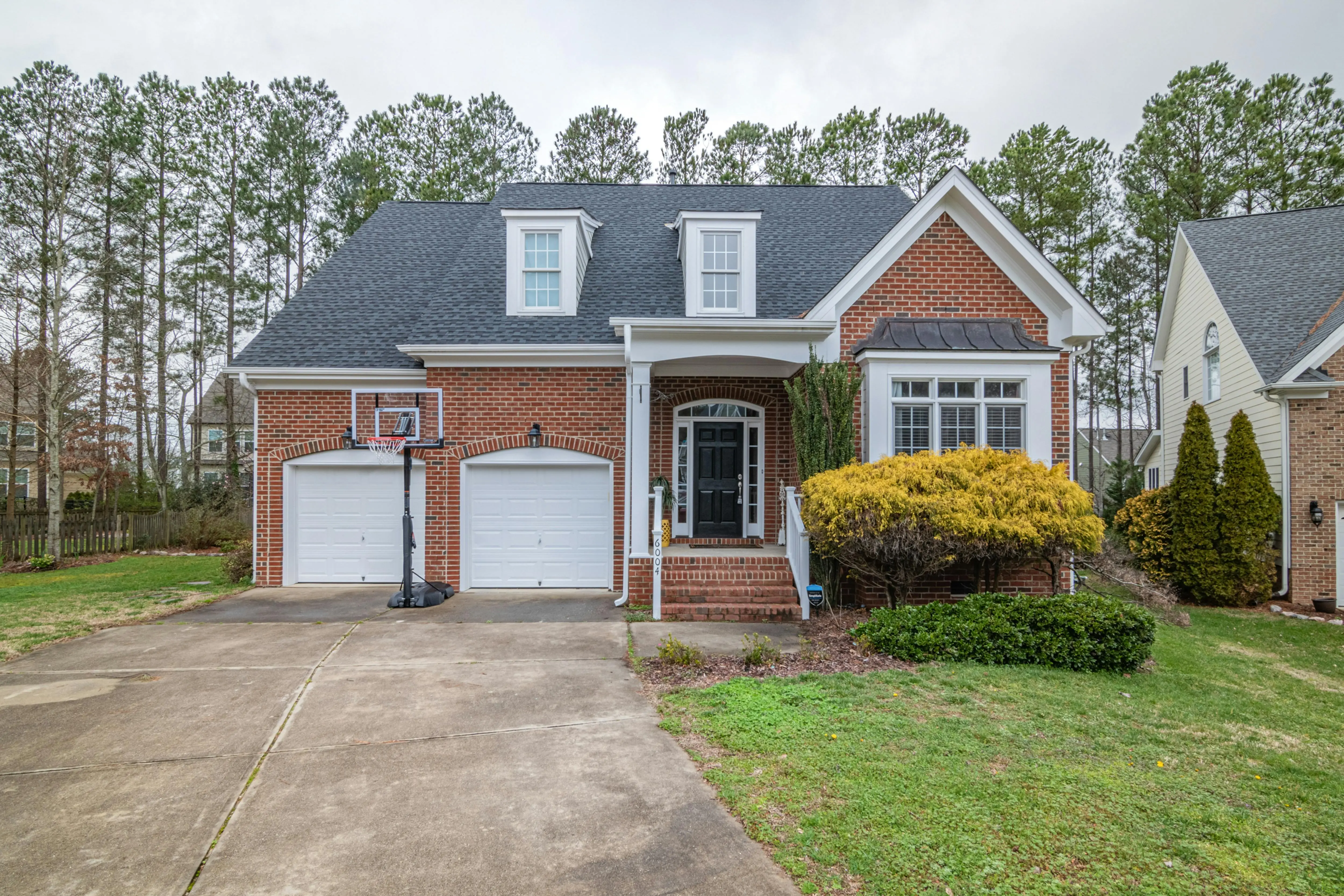
Why Kentucky Driveway Permits Matter
Installing or upgrading a driveway seems straightforward—until you learn that one missing signature can stall the project for weeks. Kentucky’s permit rules protect public safety, storm-water systems, and neighbors’ property rights. Understanding Driveway Permits and Regulations in Kentucky early keeps you compliant, prevents fines, and protects your investment.
Whether you’re widening an apron, switching from gravel to concrete, or adding a circular drive in Lexington, this guide walks you through the who, what, where, and how much—so you can schedule your contractor with confidence.
State Rules vs. Local Rules: Who Actually Controls Your Driveway?
Kentucky has two layers of oversight: state highway access management and local city/county codes. Knowing which layer applies saves you from submitting paperwork to the wrong office.
State Highway Access (KYTC)
If your property touches any state-maintained road—think US 60, KY 22, or most four-digit routes—you need a Highway Encroachment Permit from the Kentucky Transportation Cabinet (KYTC). The state’s biggest concern is sight-distance: you must leave enough clear zone so cars can see you pulling out at 55 mph.
City & County Ordinances
Inside city limits, a separate Driveway/Approach Permit is issued by the Public Works or Engineering Department. County roads fall under the Judge-Executive office or a county road engineer. These local permits cover setbacks, sidewalk crossings, drainage, and paving materials.
When Do You Need a Permit in Kentucky?
Play it safe: assume you need one unless all three statements are true:
- The existing drive is legal and was permitted originally.
- You are not changing the width, location, or surface elevation.
- The work is 100 % on private land, not touching the public right-of-way.
Here are common triggers:
- New driveway on a vacant lot
- Moving the apron closer to or farther from an intersection
- Widening beyond 12 ft (varies by city)
- Switching from gravel to asphalt or concrete (because the curb cut changes)
- Adding a circular or RV pad that ties into the public street
Step-by-Step Permit Application Process
Step 1: Call 811 & Locate Utilities
Before you sketch anything, have Kentucky 811 mark gas, water, and fiber lines. Adjusting your layout now is free; hitting a line later is not.
Step 2: Measure Right-of-Way & Sight Distance
Using a tape measure and the KYTC “Driveway Sight Distance” chart, check:
- Distance to nearest intersection (must be ≥ 50 ft on local roads, ≥ 150 ft on state roads at 35 mph)
- Clear triangle: no structures, berms, or vegetation over 30 inches high
Step 3: Draw a Simple Site Plan
You don’t need CAD. A hand-drawn plan showing:
- Property lines
- Existing and proposed pavement edges
- Right-of-way lines
- Culvert or sidewalk crossings
Mark all measurements to the nearest foot. City staff will red-line anything unclear, so clarity speeds approval.
Step 4: Submit Application & Fee
Most jurisdictions accept PDF uploads or in-person drop-off. Typical documents:
- Completed driveway/encroachment form
- Site plan (to scale)
- Proof of property ownership (deed or PVA sheet)
- Contractor’s license & insurance (if you’re hiring out)
Step 5: Wait for Field Inspection
An engineer will visit within 5–10 business days. Be present if possible; you can answer questions on the spot and avoid a second trip.
Step 6: Receive Permit & Schedule Work
Permits are valid for 6–12 months. Extensions are usually free if requested before expiration.
Typical Costs and Timeframes
| Jurisdiction | Base Fee | Additional Costs | Avg. Approval Time |
|---|---|---|---|
| Louisville Metro | $75 | $0.45/ft² for pavement over 400 ft² | 7–10 days |
| Lexington-Fayette | $60 | $25 sidewalk inspection | 5–7 days |
| Bowling Green | $50 | None | 3–5 days |
| KYTC State Highway | $150 | $1,000 damage bond (refundable) | 10–15 days |
Tip: Ask for the “residential flat rate” if your drive is under 1,000 ft²—some clerks don’t volunteer it.
Drainage, Slope, and Storm-Water Rules
Kentucky’s clay-heavy soil traps water. Poor drainage can undermine your new pavement and trigger code violations.
Minimum & Maximum Slopes
- First 10 ft from garage: ≥ 0.5 % (1/8 in per foot) away from structure
- Approach apron: ≤ 8 % slope to prevent under-ride of low cars
- Culvert invert: 2 % minimum to keep water moving
Storm-Water Management
Any new impervious area over 2,000 ft² in Louisville Metro or 1,000 ft² in Lexington requires an on-site retention calculation. For most driveways, that means:
- Install a 12-in-deep gravel infiltration trench under the parking pad, or
- Direct runoff into a vegetated swale rather than the street gutter
Keep receipts for gravel and geotextile; inspectors may ask for material specs.
Easements, Setbacks, and HOA Hurdles
Utility Easements
Electric co-ops often hold a 10-ft easement from the back of curb. Paving over it is allowed if you sign an encroachment agreement, but you’ll bear the cost to tear out and replace pavement if they need future access.
Corner Clearance (Visibility Triangle)
No portion of your driveway can intrude into the triangle formed by the two street curb lines extended 25 ft (local) or 35 ft (state). This rule stops cars from blocking the view at corners.
HOA & ARC Approvals
Even after the city signs off, your Homeowners Association can demand brick pavers instead of stamped concrete. Submit architectural review forms early; many HOAs meet only once a month.
Choosing a Contractor Who Knows Kentucky Codes
A reputable driveway company should:
- Carry general liability ≥ $500 k and workers’ comp
- Provide a copy of their KYTC Pre-Qualified Contractor number if working on a state route
- Offer a 2-year workmanship warranty on concrete (1 year is standard for asphalt)
- Agree to pull permits in your name (never let them skip it)
Ask for three local references completed within the last six months. Drive by those homes to check for cracks or standing water.
Common Violations and How to Fix Them
Violation 1: Curb Cut Too Wide
Maximum residential apron width is 30 ft in most counties. Fix: saw-cut and remove excess pavement, reinstall curb & gutter, and request a “permit amendment” to document the correction.
Violation 2: No Culvert Under Drive
If a ditch parallels the road, you must place a corrugated metal or HDPE culvert sized by the county engineer. Fix: expose the ditch, install proper diameter (usually 15–18 in), backfill with #57 stone, and schedule a re-inspection.
Violation 3>Drainage Directed at Neighbor
Code requires that concentrated flow not cross property lines. Fix: add a berm or underground outlet pipe to discharge into the street gutter or a natural swale.
Pro Tips for a Faster Permit
- Call before you buy: Ask the Planning Commission for a “pre-application conference” if your lot is on a steep grade or corner.
- Photo-document: Take date-stamped pictures of existing conditions; they protect you if damage claims arise.
- Use standard widths: A 12-ft drive with 2-ft gravel shoulders almost always meets engineering tables—no custom calculations required.
- Submit early spring: Local offices are swamped May–July; February applications can be approved in 48 hrs.
- Keep a permit packet: Staple a copy of the approved plan inside your garage; future buyers and contractors will thank you.
Frequently Asked Questions
No, provided you are not changing the footprint, curb cut, or elevation. If the job requires milling the apron and lowering it to meet a newly resurfaced street, you will need an amendment.
Yes, but any portion that enters the public right-of-way must be permitted. Many cities limit total driveway width to 35 ft or 40 % of lot frontage, whichever is smaller. A separate RV parking pad set back from the street usually avoids extra permits.
City and county permits are typically good for 6 months; KYTC state permits last 12 months. You can request one free extension if you apply before expiration.
You risk a “stop work” order, fines of $250–$500 per day, and possible removal of the new pavement. Insurance claims can also be denied if an unpermitted curb cut contributes to an accident.