
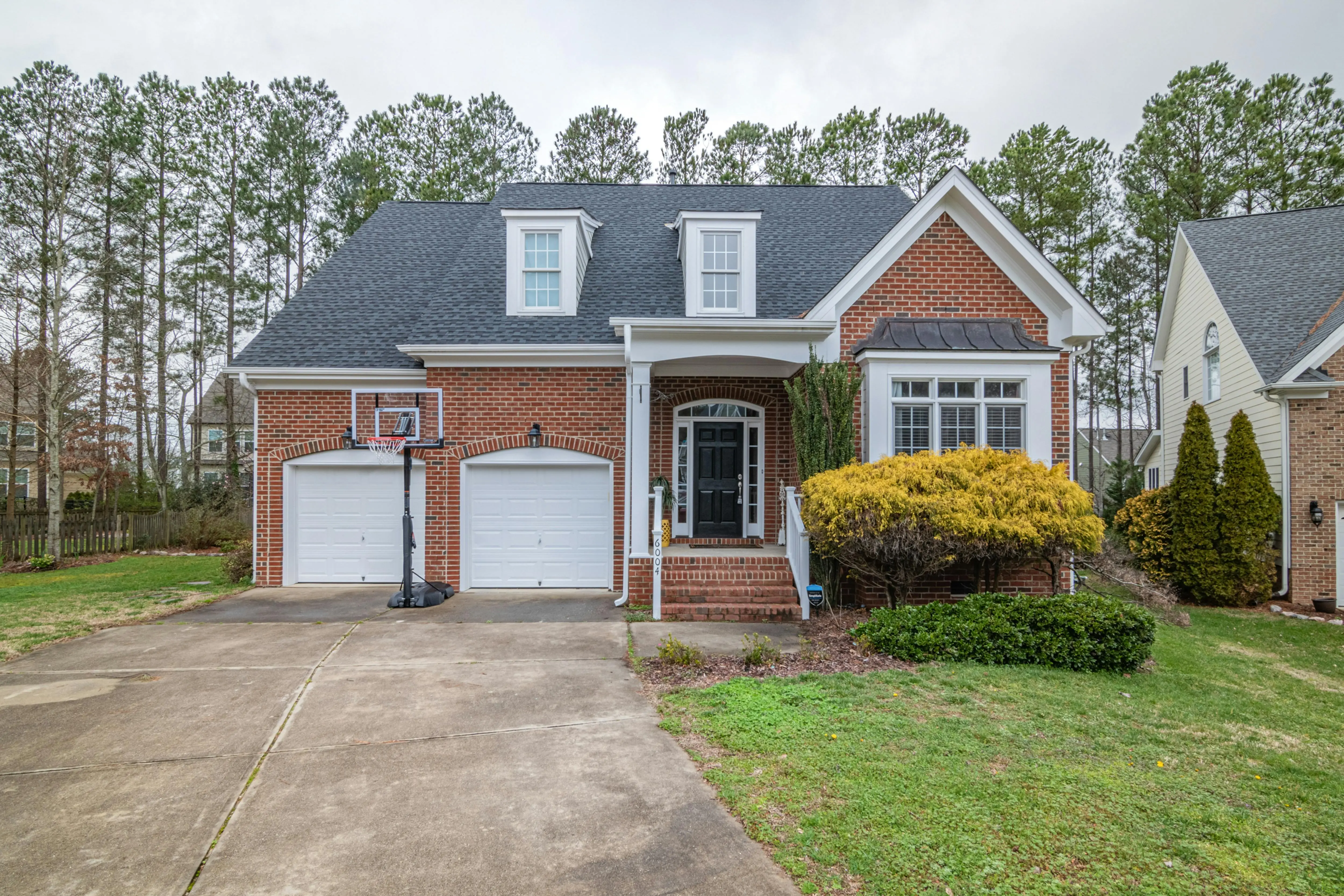
Why Idaho Driveway Permits Matter
Installing or widening a driveway seems simple—until you learn Idaho has statewide rules, county add-ons, and city-specific quirks. A permit keeps you legal, prevents fines, and protects your property value. Below you’ll find the exact steps Idaho homeowners use to get a driveway approved the first time.
Statewide Driveway Rules Every Idahoan Should Know
Idaho’s Access Management Rule (IDAPA 39.03.16) sets the baseline for any driveway that touches a public road. Cities and counties can tighten the rules, but they can’t go below the state minimums.
Key Measurements You Must Follow
- Maximum width: 30 ft for residential lots (35 ft if the garage faces the street).
- Minimum spacing: 200 ft from another driveway on the same side of a state highway.
- Clear zone: No part of the driveway can block a culvert, drainage ditch, or sidewalk.
When You Need an ITD Encroachment Permit
If your driveway will connect to any road maintained by the Idaho Transportation Department (ITD)—think U.S. 95, State Highway 55, or I-84 frontage roads—you must file an ITD-4530 Encroachment Permit. Expect 10–15 business days for review and a mandatory pre-construction inspection.
County-by-County Snapshot
Each Idaho county layers its own standards on top of the state code. Below are the four most requested counties for driveway work.
Ada County (Boise Metro)
- Permit name: “Residential Approach Permit” filed with the Ada County Highway District (ACHD).
- Fee: $85 base + $35 inspection.
- Extra rule: Sidewalk repair is your responsibility; you must hire an ACHD-certified flatwork contractor.
Canyon County
- Uses the same ACHD forms as Ada County.
- Rural parcels need a 24-ft wide gravel base under the asphalt to support farm equipment.
Kootenai County (Coeur d’Alene Area)
- Permit name: “Entrance/Access Permit” from Kootenai County Public Works.
- Fee: $75 + $50 inspection.
- Storm-water: A culvert is required if the ditch is deeper than 18 inches; pipe size set by engineer.
Twin Falls County
- If you live inside the City of Twin Falls, the city handles the permit; outside city limits, the county issues it.
- Asphalt depth minimum 3 inches on gravel roads, 2 inches on paved county roads.
City-Level Add-Ons to Watch
Even if the county signs off, your city can require extra steps. Here are three common examples:
Boise City – Heritage & Foothills Districts
Driveways in historic districts must use exposed aggregate or stamped borders that match neighborhood aesthetics. Expect a 5-day design review by the Boise City Design Review Committee.
Meridian – Sidewalk Preservation
Meridian requires a 6-inch “street tree setback” from the back of sidewalk before you can pour driveway approach concrete. Violations trigger a $250 replanting fee.
Idaho Falls – Snow-Load Edge
Because of heavy snow plowing, Idaho Falls mandates a 6-inch thickened edge (rebar #4 at 12-inch centers) along the street apron.
Step-by-Step: Getting Your Permit Approved Fast
Step 1 – Call 811 and Paint Your Plan
Before you sketch anything, call Idaho 811 for free utility locates. Then spray-paint your proposed driveway width and radius. Take a photo; inspectors love visual context.
Step 2 – Draw a Simple Site Plan
You don’t need AutoCAD. A hand-drawn plan on graph paper works if it shows:
- Property lines and North arrow
- Existing and proposed driveway outline
- Distance to nearest intersection, fire hydrant, and neighbor’s driveway
- Utility marks from the 811 call
Step 3 – Choose the Correct Agency
Use this quick picker:
- State highway? ➜ ITD District Office
- County road? ➜ County Public Works or Highway District
- City street? ➜ City Engineering Department
Step 4 – Submit Online or In-Person
ACHD and ITD both accept digital uploads. Smaller counties may still want paper. Bring two copies of your site plan, a copy of your deed, and the fee check.
Step 5 – Pre-Construction Inspection
An inspector will verify sight-distance (usually 300 ft on 55-mph roads). If bushes or fences block the view, you’ll need to trim before approval.
Step 6 – Build to Spec & Book Final Inspection
Keep your permit on-site. After the pour, call for the final inspection within 48 hours; otherwise you may pay a re-inspection fee.
Typical Costs in Idaho (2024 Pricing)
| Item | Low End | High End |
|---|---|---|
| State Encroachment Permit (ITD) | $150 | $300 |
| County/City Permit | $60 | $120 |
| Culvert pipe (18-in x 20 ft) | $250 | $400 |
| Asphalt (2-car, 12 ft x 25 ft, 3-in depth) | $1,200 | $1,800 |
| Concrete (same size, 4-in slab) | $2,000 | $3,000 |
| Re-inspection fee | $50 | $75 |
Tip: Bundle driveway and sidewalk replacement to save on ACHD’s $35 re-inspection fee.
Top 5 Mistakes Homeowners Make
1. Skipping the Permit for “Just a Widen”
Widening a driveway by even 1 foot still counts as new construction under state code. Fines start at $300 plus permit back-pay.
2. Using the Wrong Culvert Size
ITD and most counties size culverts for 25-year storm events. A too-small pipe will be rejected and you’ll pay for removal.
3. Ignoring Sight-Distance Triangles
Fences, rock walls, and raised planters can’t sit inside the triangle formed by your driveway and the road edge. Inspectors carry measuring wheels.
4. Pouring Before Final Inspection
Concrete can’t be “undone.” If you skip the final, the agency can require a core sample or even removal.
5. Forgetting HOA Rules
Even with county approval, your HOA can restrict color, texture, or width. Get HOA sign-off in writing to avoid double work.
Eco-Friendly Options That Still Meet Code
Permeable Pavers
Ada County allows permeable interlocking concrete pavers for the parking pad portion, provided the base layer is 9-inches of open-graded aggregate. You still need an asphalt or concrete apron for the first 10 ft nearest the street to withstand snow plows.
Gravel with Stabilizer
In rural Canyon County, a stabilized gravel grid (geocell) meets the “dust-free” requirement without asphalt. The grid must be filled with ¾-inch crushed rock compacted to 95 % Standard Proctor.
Recycled Asphalt Millings
ITD allows millings on private drives if topped with a 2-inch virgin asphalt wearing course. Millings alone are considered temporary and will fail inspection.
Frequently Asked Questions
If you’re keeping the exact same width, location, and culvert size, most counties classify it as “maintenance” and no new permit is required. Any widening, relocation, or culvert change triggers a new permit.
ITD permits average 10–15 business days. ACHD and Kootenai County usually issue in 5–7 days if the application is complete. Busy summer months can add a week.
Yes, as the homeowner, you can supply and install the culvert, but the county will still inspect the bedding, backfill, and compaction. Most DIYers fail the first inspection on compaction—rent a plate compactor and follow the 6-inch lift rule.
You’ll receive a “Notice of Violation” and a stop-work order. Penalties range from $300 to $1,000 depending on the agency, plus you’ll pay double fees when you retroactively permit. In extreme cases, the county can remove the driveway and bill you.