
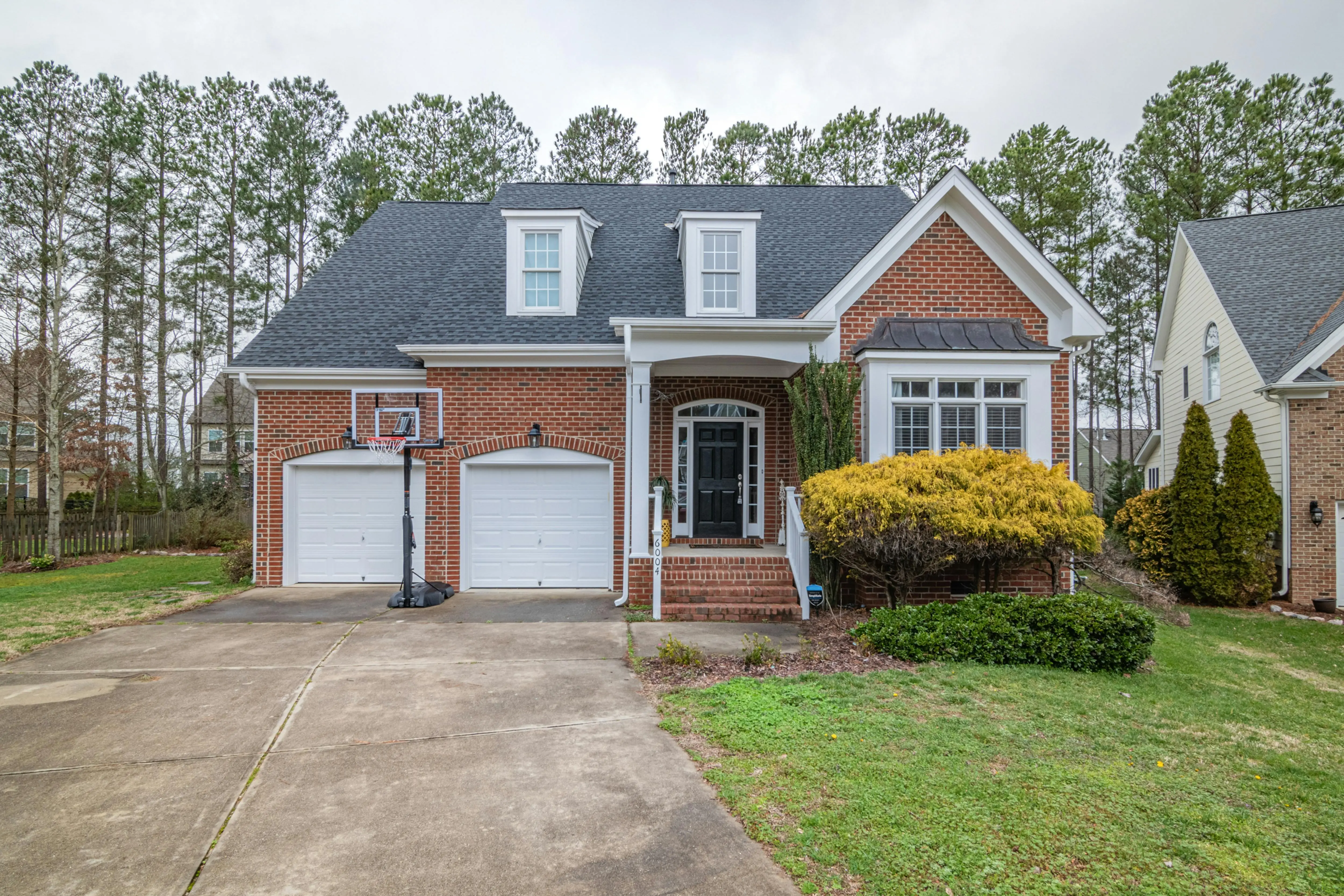
Why Driveway Permits and Regulations in Colorado Matter
Colorado’s rapid growth means tighter rules on anything that touches a public road—including your driveway. A new pour, widening, or even a simple apron replacement can trigger permit reviews from the city, county, and sometimes the Colorado Department of Transportation (CDOT). Understanding the process up-front saves you fines, tear-outs, and weeks of red tape.
Below is a county-by-county, step-by-step guide that homeowners actually use. Bookmark it, send it to your concrete contractor, and you’ll move from “Where do I start?” to “Permit approved” without the usual headaches.
Do You Need a Driveway Permit in Colorado?
Almost always, yes. The only exceptions are private drives that sit entirely on your land and never cross a public curb, gutter, or sidewalk. If your tires will touch a public roadway, you need a “curb-cut” or “driveway approach” permit.
Triggers That Always Require a Permit
- New driveway where none exists
- Widening an existing apron beyond the original width
- Changing the radius (curvature) of the apron
- Adding a second driveway on the same lot
- Replacing an apron that is more than 50 % damaged (Denver rule)
- Any work within CDOT right-of-way on state highways
Work That Usually Does NOT Need a Permit
- Resurfacing or sealing existing concrete/asphalt within the original footprint
- Repairing isolated cracks < 25 % of the apron area
- Interior drainage swales or turn-arounds that stop short of the sidewalk
Key Colorado Codes & Standards You Must Meet
Colorado has no single statewide driveway code. Instead, each jurisdiction adopts its own ordinance, but 90 % mirror the same engineering standards:
1. Sight-Distance Triangle
You cannot park or build within a triangle measured from the road intersection. In most cities it’s 20 ft along the curb for every 5 mph of posted speed. Highlands Ranch ups that to 25 ft. If your planned drive cuts into that zone, the city will deny the permit unless you trim landscaping or move the drive.
2. Maximum Slope
- First 10 ft from gutter: ≤ 8 % grade (Denver, Aurora, Fort Collins)
- Next 20 ft: ≤ 12 % grade
- Anything steeper needs an engineered drainage plan
3. Width Limits
| City | Single-Family Max | Multi-Family/Commercial |
|---|---|---|
| Denver | 24 ft | 30 ft (plus 2 5-ft flare) |
| Colorado Springs | 30 ft | 35 ft |
| Boulder | 20 ft | Case-by-case |
4. Cul-de-Sac & Corner Lots
You must leave 15 ft clear between your driveway and any neighbor’s drive on cul-de-sacs. Corner lots get one drive per street frontage, but only if each meets sight-distance rules.
Metro-Area Permit Cheat Sheet
Denver County (City & County of Denver)
- Apply online via Denver Permits portal.
- Upload site plan showing lot lines, sidewalk, existing utilities, and proposed apron dimensions.
- Pay $140 base fee + $2 per linear foot of curb cut.
- City traffic engineer reviews in 5–10 business days.
- Schedule pre-pour inspection; fail to call and you’ll pay a $250 reinspection fee.
Pro tip: Denver now requires 4,000 psi concrete with 6 % air entrainment. Stamp this on your plan to avoid a revision loop.
Jefferson County (Unincorporated)
- Uses Roadway Approach Permit form PDF.
- Include a CDOT-standard detail sheet; county will not sketch it for you.
- Permit fee: $155 for first 12 ft width, $10 per extra foot.
- Must wait 48 hrs after approval before pouring.
Arapahoe County
- Requires driveway plans signed by a Colorado-licensed engineer if slope exceeds 10 %.
- Inspection happens after forms are placed but before concrete pour—keep that inspection card on-site.
El Paso County (Colorado Springs Area)
- Online submittal through Land Use Review.
- Fire department must sign off if your driveway is longer than 150 ft (emergency vehicle access).
- Concrete thickness: minimum 6 in with #4 rebar at 18 in O.C. both ways.
Boulder County
- Extra groundwater rules. If your drive is within 100 ft of a creek, you’ll need a separate Water Resource review.
- Flag lot driveways over 300 ft must provide a 50-ft radius hammerhead or 60-ft dia turnaround for fire trucks.
Mountain & Rural Counties (Summit, Eagle, Grand, Gunnison)
- Winter load restrictions: no new curb cuts between Nov 1 – Apr 15 unless you build a temporary gravel pad to protect the edge of pavement.
- Driveways over 8 % grade must be paved the first 50 ft from the road to reduce sediment runoff.
When CDOT Gets Involved
If your lot touches a state highway (US 6, US 24, SH 93, I-70 frontage roads, etc.) you need both a local permit AND a CDOT Driveway Permit. Expect:
- Traffic impact study for drives handling > 50 trips/day (common with Airbnbs)
- $1 million liability insurance naming CDOT as co-insured
- Up to 45-day review; plan around ski-season moratoriums
Shortcut: hire a CDOT-prequalified contractor; they can submit under their blanket bond and chop weeks off the timeline.
Typical Driveway Permit Costs in Colorado (2024)
| Jurisdiction | Base Fee | Per Foot | Re-inspection | Total* 24-ft Drive |
|---|---|---|---|---|
| Denver | $140 | $2 | $250 | $188 |
| Colorado Springs | $130 | $3 | $150 | $202 |
| Fort Collins | $110 | $2.50 | $100 | $170 |
| Jefferson Co. | $155 | $10 after 12 ft | $125 | $275 |
*Total shown is permit fee only; does not include concrete, excavation, or engineering.
Step-by-Step Homeowner Action Plan
- Verify Jurisdiction
Type your address into the city/county “find my zoning” map. Note whether you’re in a municipal pocket or unincorporated county—some addresses surprise you. - Download the Checklist
Each city lists required documents on its website. Print it and tape to your fridge; nothing stalls a permit like a missing utility clearance letter. - Call 811 & Mark Utilities
Colorado 811 sends locators within three business days. Take photos; upload them with your permit so reviewers know you’re not pouring over a gas main. - Sketch a Simple Site Plan
You don’t need CAD. graph paper works. Show lot lines, sidewalk, existing apron, proposed apron, and distances to nearest driveways and hydrants. - Submit Online & Pay
Most portals accept credit cards. Save the confirmation PDF; it contains your permit number and inspector hotline. - Schedule Pre-Pour Inspection
Forms must be staked, rebar in place, and compaction tested. If you skip this, the city can order a full tear-out. - Pour & Finish
Keep the stamped concrete ticket on-site; inspectors spot-check psi and air entrainment. - Final Inspection & HOA Letter
Once the inspector signs off, email the letter to your HOA (if applicable). Some HOAs require it before they clear your exterior modification request.
Top 5 Permit Mistakes Colorado Homeowners Make
- Guessing the Setback
Planting a new drive 1 ft closer to the neighbor may seem harmless, but it can violate the 5-ft utility easement and trigger a $500 fine. - Using an Unlicensed Contractor
Denver requires contractor license numbers on the permit. If your “cheap cash deal” guy isn’t licensed, the permit is invalid and you assume liability. - Ignoring Seasonal Weight Restrictions
Mountain counties post “no haul” days in spring. Pouring anyway can earn you a stop-work order and a bill for road damage. - Forgetting Fire-Access Turnarounds
Long driveways in Boulder and Larimer counties must provide a turnaround. Homeowners who skip it must rip out the last 20 ft of concrete later. - Overlapping Utility Meters
Xcel and Comcast both have 2-ft clearance zones. Place your apron too close and the utility will red-tag the meter, delaying power restoration.
How to Speed Up Approval: Insider Contractor Tips
- Submit Tuesday–Thursday; Monday queues are longest.
- Include a photo of your neighbor’s similar approved driveway—engineers love precedents.
- Ask for the same inspector who did your neighbor’s house; they already know the street drainage quirks.
- Use county standard detail drawings instead of custom sketches; reviewers check them faster.
- Offer to install a ADA-compliant tactile ramp if sidewalk work is needed; cities prioritize ADA projects and may expedite your permit.
Frequently Asked Questions
Most cities approve simple residential permits in 5–10 business days. CDOT permits for state highways can take up to 45 days. Mountain counties add extra time if your drive is near wetlands or exceeds 8 % grade.