
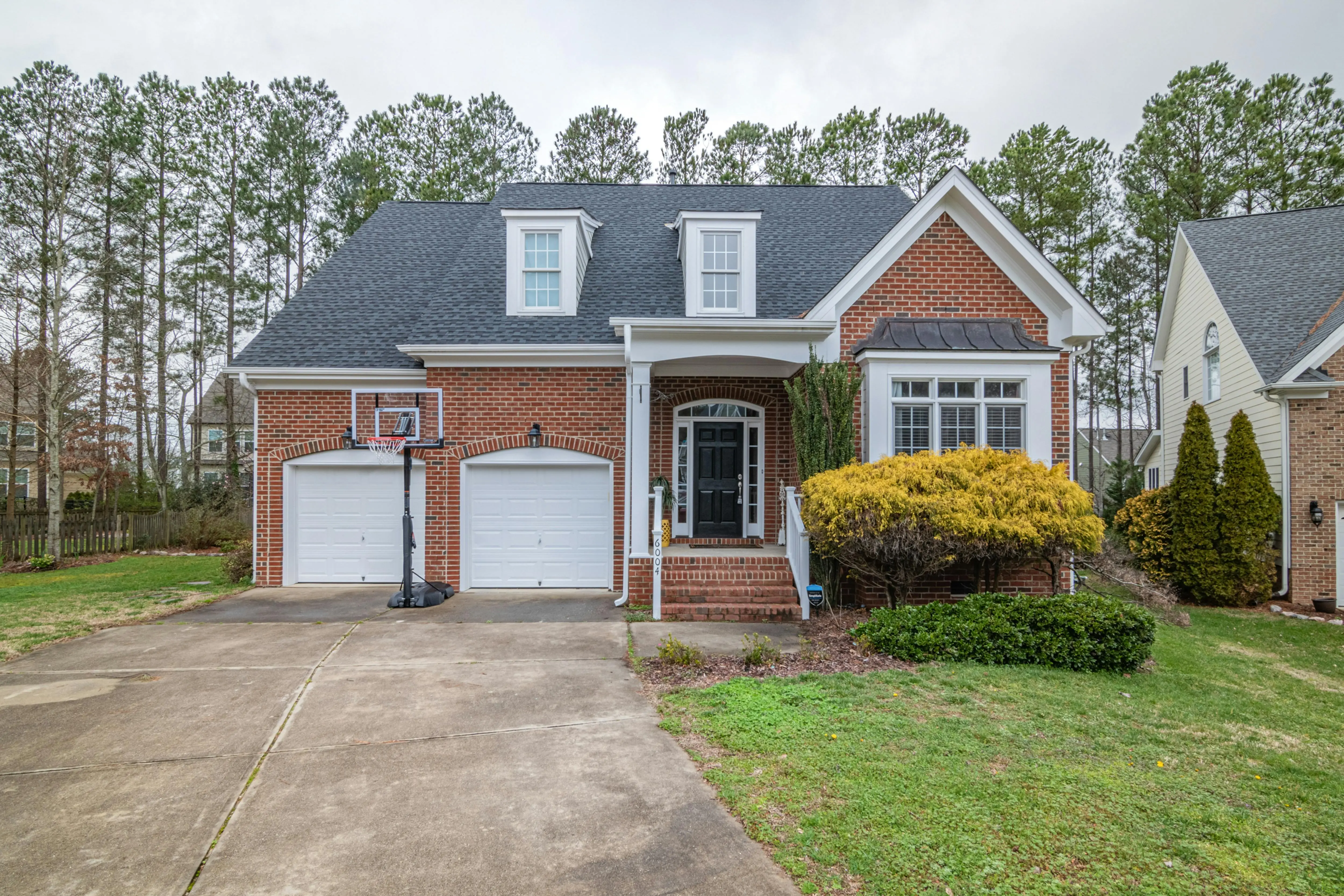
Driveway Permits and Regulations in California
If you're planning to build, replace, or modify a driveway in California, it's important to understand the permit requirements and applicable regulations. One challenge is that these rules are not uniform across the state. In most cases, driveway permits and standards are managed by city or county agencies, while state authorities become involved when the driveway connects to a state highway.
As a result, the procedures, requirements, and approval processes can vary by location. California enforces detailed regulations to ensure driveways safely connect to public roads, provide proper drainage, and meet established safety standards.
Why Driveway Permits Are Important in California
Driveways are not just part of your private property, they connect directly to public infrastructure. Because of this, local and state authorities regulate their design and construction. California driveway regulations are designed to:
- Protect pedestrian pathways and sidewalks
- Ensure safe vehicle entry and exit
- Avoid interference with utilities and public roads
- Maintain proper drainage and prevent flooding
Failing to obtain a driveway permit can lead to fines, delays, or even removal of the driveway. It can also create legal complications when selling your property.
Who Regulates Driveway Permits in California?
Driveway permits in California are handled by different agencies depending on the location of your property. Understanding which authority applies to your project is the first step.
State-Level Permits (Caltrans)
If your driveway connects to a state highway or major roadway, you will need an encroachment permit from the California Department of Transportation (Caltrans). These permits usually involve:
- Traffic control considerations
- Detailed engineering plans
- Longer approval timelines compared to local permits
County-Level Regulations
In unincorporated areas, county public works departments manage driveway permits. Requirements can vary significantly:
- Rural counties may allow longer or steeper driveways
- Environmentally sensitive areas may require stricter drainage control
- Some counties have simplified processes for residential projects
City-Level Permits
Within city limits, driveway permits are typically reviewed by:
- Public Works or Engineering Departments (construction standards, curb cuts, sidewalks)
- Planning Departments (zoning, setbacks, land use)
Many cities now offer online application systems, making the process more convenient.
When Do You Need a Driveway Permit?
Most driveway-related projects in California require a permit, especially when public infrastructure is involved.
You Will Need a Permit If You:
- Modify or widen an existing driveway
- Build a new driveway
- Add or change a curb cut
- Alter grading, slope, or drainage
- Switch driveway materials (e.g., concrete to pavers)
You May Not Need a Permit If You:
- Resurface with the same material
- Perform minor repairs that don't affect structure or drainage
However, it's always best to confirm with your local authority before starting any work.
Step-by-Step Process to Get a Driveway Permit in California
Getting a driveway permit doesn't have to be complicated if you follow the right steps.
Step 1: Prepare your property information
Start by gathering essential details:
- Property boundaries and parcel map
- Existing driveway layout
- Utility locations and easements
- Photos of the current site
Step 2: Create a Site Plan
A clear and accurate site plan is critical for approval. Your plan should include:
- Driveway dimensions and layout
- Sidewalks and street connections
- Distance from property lines
- Drainage flow and slope details
Even a simple drawing can work, as long as it is labeled clearly.
Step 3: Submit the Application
Submit your application to the appropriate agency along with required documents and fees. Approximate costs include:
- Basic permits: $150–$300
- Engineering review: $400–$700
- State permits: $1,000 or more
Step 4: Review and Inspection
After submission, officials may:
- Review your plans for compliance
- Conduct a site inspection
- Request modifications if needed
Approval timelines vary but typically range from a few days to several weeks.
Step 5: Begin Construction After Approval
Once approved:
- You usually have up to 180 days to start work
- Construction must be completed within a specified timeframe
- Inspections may be required during and after construction
Key Driveway Design Requirements in California
To comply with California driveway regulations, your project must meet specific design standards.
Driveway Width and Size
Most residential driveways must fall within standard width limits:
- Minimum width: around 10 - 12 feet
- Maximum width: typically 20 - 24 feet
Local codes may vary depending on lot size and street type.
Visibility and Safety Requirements
Driveways must allow safe entry and exit. This includes maintaining a clear sight triangle, meaning:
- No tall obstructions near the driveway entrance
- Proper visibility for both drivers and pedestrians
ADA and Sidewalk Compliance
If your driveway crosses a sidewalk:
- The slope must meet accessibility standards
- Surfaces must be safe for pedestrians, including those with disabilities
Drainage and Water Management
Proper drainage is a major requirement in California:
- Water runoff must not flow onto public roads
- Permeable materials may be required in some areas
- Drainage systems or grading adjustments may be necessary
Utility and Infrastructure Clearance
Driveways must maintain safe distances from:
- Fire hydrants
- Utility poles
- Water meters and underground lines
Fire Safety and Emergency Access
In certain areas, especially high-risk zones:
- Driveways must allow access for emergency vehicles
- Gates and entrances must meet fire department standards
Tree Protection Regulations
If your project affects protected trees:
- You may need a permit for removal
- Arborist reports could be required
- Replacement or mitigation fees may apply
Tips to Get Your Driveway Permit Approved Faster
Speeding up approval can save both time and money. Here are some practical tips:
- Submit a complete and accurate application
- Follow local design standards closely
- Hire a licensed contractor or engineer
- Use pre-approved templates when available
Avoiding mistakes in the initial submission can significantly reduce delays.
Common Reasons Driveway Permits Get Rejected
Understanding common issues can help you avoid setbacks. Some of the most frequent reasons include:
- Poor drainage planning
- Inadequate visibility or safety design
- Conflicts with utilities
- Exceeding allowed driveway width
Addressing these issues early can improve your chances of approval.
Inspection and Final Approval Process
After construction, your driveway must pass inspections before final approval. Typical inspection stages include:
- Initial Inspection – Checks layout and grading
- Mid-Construction Inspection – Reviews structural elements
- Final Inspection – Ensures full compliance
Once approved, you'll receive documentation confirming that your driveway meets all legal requirements.
Key Takeaway
Navigating driveway permits and regulations in California may seem overwhelming at first, but with proper planning, the process becomes much more manageable. By understanding the rules, preparing the right documents, and following approved design standards, you can ensure your driveway project is completed smoothly and legally. Whether you're installing a new driveway or upgrading an existing one, staying compliant with California regulations will save you time, money, and unnecessary stress in the long run.
Fast FAQ: Driveway Permits and Regulations in California
Legally you can pull an owner-builder permit, but cities often reject amateur plans that lack engineering stamps. Hiring a C-8 contractor speeds approval and shifts liability for sidewalk damage onto their insurance.
Expect 4–6 weeks total: 1 week to prepare documents, 2–3 weeks for city review, 1 week to schedule inspections. Caltrans permits add 2–3 extra weeks.
Not in most counties. Driveway replacement is considered maintenance. Only brand-new square footage (e.g., extending pavement to create RV parking) may trigger a reassessment.
Fines start at $500 plus retroactive permit fees. Cities can also place a lien on your property, blocking future sales or refinancing. Worst case: tear-out order at your expense.