
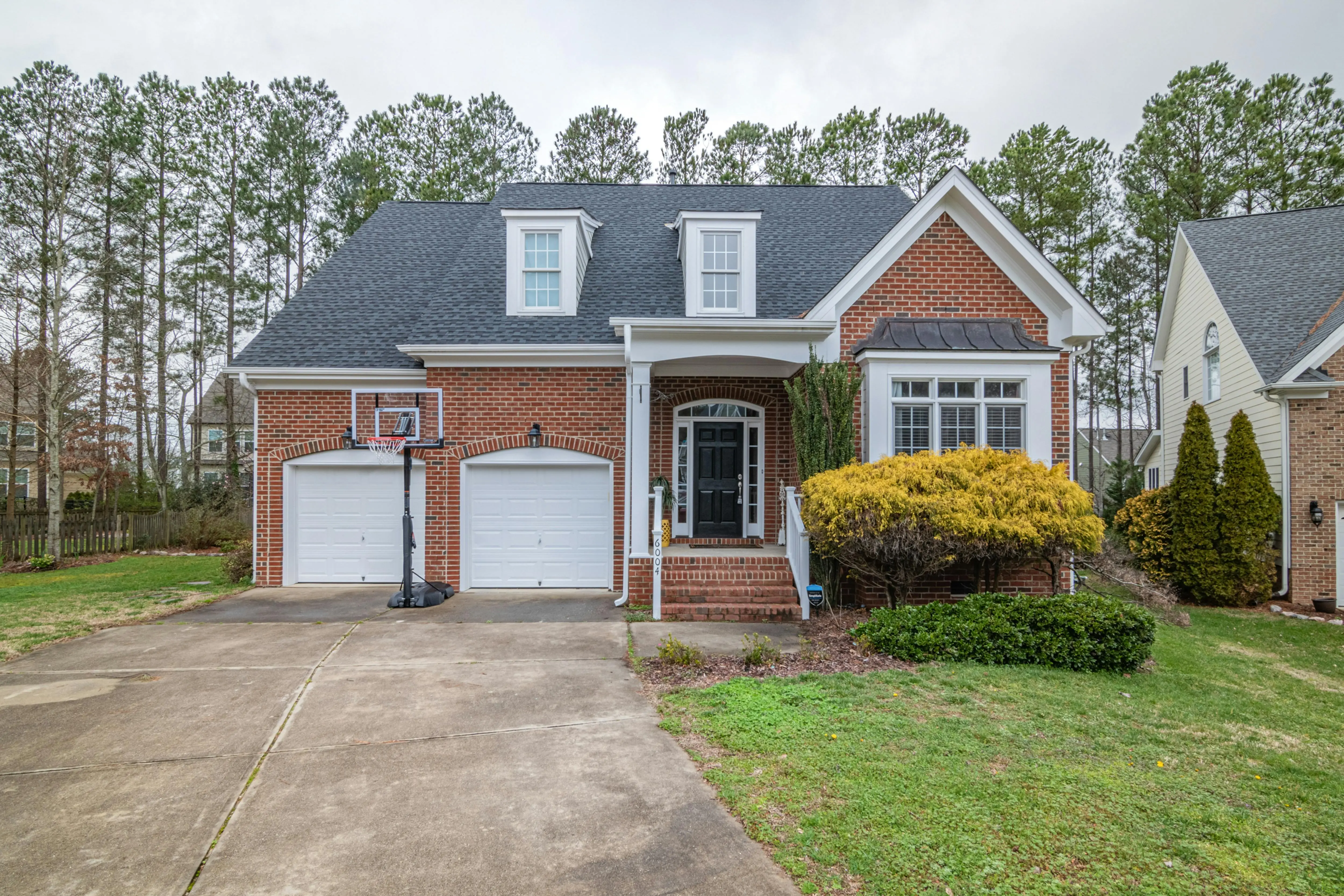
Why Arkansas Driveway Rules Matter
Putting in a new driveway or widening an old one seems simple—until a city inspector red-tags the job or the county assessor slaps on a fine. Driveway Permits and Regulations in Arkansas vary by city, county, and even subdivision, but every single project that touches a public right-of-way needs some form of approval. Knowing the rules up front saves you money, protects your property value, and keeps neighbors (and the mail carrier) happy.
State Law vs. Local Ordinance: Where the Buck Stops
Arkansas has no single “state driveway permit.” Instead, the Arkansas Department of Transportation (ArDOT) controls work on state highways, while cities and counties handle everything else. The hierarchy looks like this:
- State Highway (Hwy, US, or AR route numbers): ArDOT permit required—no exceptions.
- County road: County road department or judge’s office issues the permit.
- City street: City engineering or public works department.
- Private subdivision road: Homeowners association (HOA) architectural committee first, then local government if the road is publicly dedicated.
Quick Tip: How to Tell Who Owns the Road
Open the ArDOT Functional Class Map, zoom to your address, or call the county clerk with your parcel ID. If the line is red or black, it’s a state route and you’ll need ArDOT sign-off.
ArDOT Driveway Permits: The Highway Hookup
When You Need One
Any new access, relocation, or widening within 1,000 ft of a state highway right-of-way triggers an ArDOT permit. That includes circular drives, second entrances, and even drainage pipes that cross under the highway shoulder.
Application Checklist
- Scaled site plan (1" = 50' minimum) showing lane widths, utility poles, and sight-distance triangles.
- Driveway profile (side-view drawing) with grades, pipe sizes, and finished elevations.
- Traffic count if average daily trips (ADT) exceed 50—your contractor can order one for ~$250.
- $150 non-refundable review fee (check made out to ArDOT).
Typical Timeline
Standard review is 10 business days; complex commercial entrances can take 30. ArDOT will mail a stamped plan set—keep it on site for random field audits.
Common Rejections (and the Easy Fixes)
- Driveway too close to neighbor’s: Maintain 150 ft minimum spacing at 55 mph zones—move the throat 20 ft if possible.
- Insufficient sight distance: Clear brush within the 10-ft triangle or flare the entrance to 35 ft.
- Pipe too small: Upgrade from 15" to 18" reinforced concrete so spring flow doesn’t back-flood the travel lane.
City Rules: Little Rock, Fayetteville, Fort Smith, and Jonesboro
Each city adopts its own ordinance, but most mirror national standards. Below are the high-impact items our crews see every week.
Little Rock
- Max width: 24 ft residential, 35 ft commercial.
- Permit fee: $75 + $0.50 per ft of frontage.
- Concrete apron required in R-1 zones; asphalt allowed elsewhere if 4" thick on 6" stone base.
- Corner lots: Driveway must be 25 ft from side-street curb radius return.
Fayetteville
- Green infrastructure credit: Add a 2-ft ribbon of permeable pavers and get 10% fee rebate.
- Shared driveways encouraged—costs split 50/50 and one permit covers both parcels.
- Inspection window: Book 24 hrs ahead or the inspector moves to the next stop.
Fort Smith
- Historic districts: Brick or stamped asphalt to match streetscape—plan on 15% up-charge.
- No parking pads within 5 ft of a side property line; ordinance 8612 strictly enforced.
Jonesboro
- Cold-weather clause: If overnight lows drop below 28°F, pour concrete with heated water and cover with insulated blankets—inspector will note it on the card.
County Permits: Rural Driveways, Private Roads, and Drainage
Right-of-Way Width Confusion
Arkansas county roads can have 30 ft or 60 ft right-of-way depending on when they were laid out. Request a right-of-way plat from the county clerk before you cut the curb; otherwise you may pour concrete on land the county can rip out later.
Culvert Sizing Rule of Thumb
Use the Arkansas 10-year storm standard: take the upstream acreage and divide by 2—round up to the nearest pipe diameter. Example: 12 acres upstream ÷ 2 = 24 → install a 24" culvert.
Ag-Exempt Parcels
If your land is in “greenbelt” use, you still need a driveway permit but the fee is usually waived—file Form AG-1 with the assessor each year or the exemption disappears.
HOA and Subdivision Covenants: The Forgotten Filter
Even when the city says “yes,” your HOA can say “no.” CCRs often control:
- Material color (natural gray concrete vs. earth-tone integral tint).
- Width relative to garage doors (common ratio 1.25:1).
- Approval timeline—some boards meet quarterly, so submit 60 days before you want to start.
Pro Tip: Package Deal
Submit one 11"×17" plan set to both HOA and city; inspectors appreciate seeing the same details and you avoid redesign fees.
Permit Fees, Inspections, and Hidden Costs
| Authority | Base Fee | Add-Ons | Re-Inspection |
|---|---|---|---|
| ArDOT | $150 | $75 per extra entrance | $75 |
| Little Rock | $75 | $0.50/ft frontage | $50 |
| Washington Co. | $50 | $25 culvert >30" | $25 |
Don’t forget the “soft” costs: traffic control flaggers ($45/hr), utility locates (free in Arkansas, but 3-day notice), and possible sidewalk ADA upgrades if your apron crosses a walk.
Step-by-Step Homeowner Roadmap
- Call 811 for utility locates—wait the full 48 hrs.
- Measure sight distance at 8 a.m. and 5 p.m.; use a 100-ft tape and record video for the inspector.
- Sketch a rough plan; email it to three local driveway contractors for bids.
- Choose a licensed, insured contractor (ask for Arkansas contractor license # and workers-comp cert).
- Submit permit packet together—contractor signs, homeowner pays fee (avoids duplicate submittals).
- Post the permit card on site; schedule pre-pour inspection if required.
- After approval, pour within 6 months or the permit expires.
- Final walk-through: photograph the finished driveway and keep the stamped plan for resale disclosure.
Avoiding Common Violations and Fines
Encroachment Fines
Little Rock charges $250 plus $25 per day after the 10-day correction notice. Remove concrete yourself within the window or the city will demo and bill you.
Drainage Reversal
Never raise the driveway so high that water ponds in the street. Arkansas follows the “you send it, you end it” rule—redirect runoff to a swale or retain on site.
Unpermitted Expansion
Adding a 2-ft strip each side “just for tire clearance” still counts as widening—get an amendment or risk a stop-work order.
Green & ADA Considerations
Permeable Pavers
Counties with storm-water consent decrees (Benton, Washington) give a 20% fee rebate for 100% permeable systems. Use ASTM C936 pavers on 6-in open-graded stone.
ADA Compliance
Even if your house isn’t commercial, if the driveway crosses a public sidewalk you must maintain a 2% max cross-slope and 4-ft clear landing. Slip-form contractors can fine-grade this in one pass.
Choosing the Right Driveway Pro in Arkansas
Red flags: no license, cash-only bids, or “we’ll pull the permit after we finish.” Ask these questions:
- “Will you handle the permit and schedule inspections?” (Answer must be yes.)
- “What’s your ArDOT customer ID?” (Needed for state highway jobs.)
- “Can you provide a certificate of insurance naming me as additional insured?”
Drivewayz USA, for example, uploads the permit card and daily photos to a shared portal so homeowners can track progress in real time—look for similar transparency.
Frequently Asked Questions
If you’re only resurfacing (asphalt overlay or seal coat), no permit is required. If you change the width, move the entrance, or replace the culvert, every jurisdiction—state, city, or county—requires a new permit.
Standard residential reviews average 5–7 business days. If your plan is missing dimensions or sight-distance data, add another cycle. Submit early in the week to avoid weekend delays.
Yes, but the county will still inspect pipe size, bedding, and backfill. Renters must also provide a notarized letter from the landowner. Most DIYers fail the first compaction test—hire a contractor with a plate compactor for the last 2 ft of cover.
You’ll receive a cease-and-desist order, face fines up to $500, and pay double fees when you eventually permitting. On state highways, ArDOT can remove the unauthorized entrance and bill you for all costs plus legal fees.