
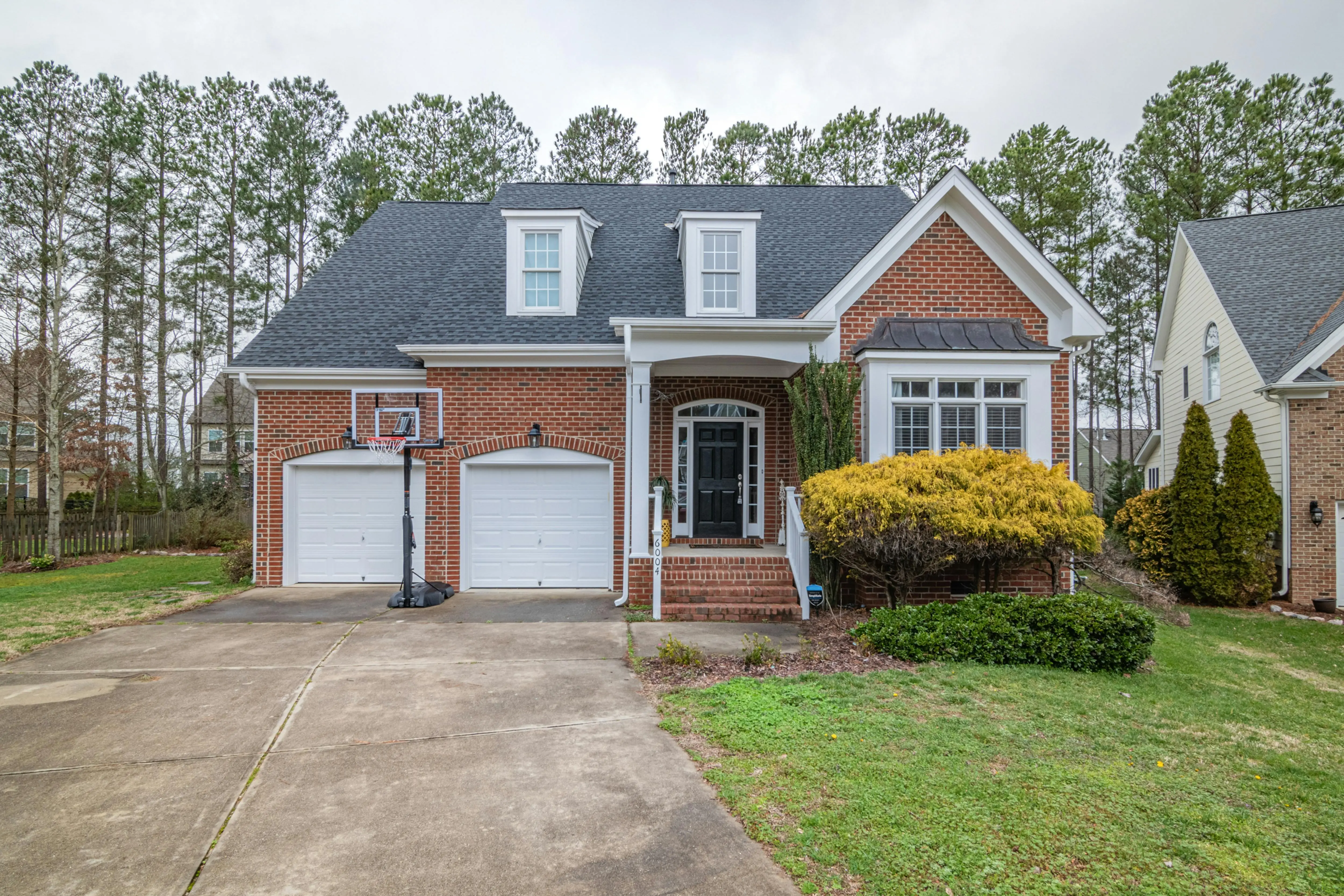
Driveway Paver Replacement Overview
Driveway paver replacement is the process of removing damaged, faded, or mismatched pavers and installing new units that blend seamlessly with the existing surface. Done right, the repair is invisible; done wrong, it’s an eyesore that lowers curb appeal.
The trickiest part is matching both color and size. Pavers weather, dye lots vary, and manufacturers update profiles every few years. This guide walks you through everything you need to know before you lift a single stone.
Why Perfect Matching Matters
A single off-color paver sticks out like a sore thumb every time you pull in. Worse, mismatched sizes create trip edges and allow weeds to take root in widened joints. A cohesive surface:
- Protects property value
- Prevents water infiltration
- Keeps the pattern flow uninterrupted
Step 1: Assess What You Already Have
Identify the Original Product
Look for a manufacturer stamp on the side or bottom of an existing paver. If the stamp is illegible, snap a close-up photo and email it to local suppliers; most can ID the brand from the texture and chamfer detail.
Record Key Specs
- Size: Measure length, width, and thickness with a caliper. Tolerance should be within 1 mm.
- Color blend: Note the ratio of each shade (e.g., 70% tan, 20% brown, 10% charcoal).
- Surface finish: Smooth, tumbled, or brushed?
Check for Fading & Wear
UV rays and tire friction bleach the original dye. Take a paver from a shaded border area—those usually retain the factory color—to use as your reference chip.
Step 2: Source Matching Pavers
Contact the Original Dealer
If the driveway is less than five years old, the dealer may have leftover inventory from the same dye lot. Bring your reference paver for side-by-side comparison under natural light, not warehouse fluorescents.
Scavenge From Hidden Areas
When exact lots are gone, remove pavers from low-visibility spots—under the trash-can pad or behind landscaping beds—and relocate them to the repair zone. Fill the donor areas with the closest available match; those spots will be less noticeable.
Consider Custom Tinting
Specialty suppliers can color-match concrete pavers with penetrating stains. While not 100% identical, a tinted paver two feet away visually blends better than a factory-fresh piece.
Color-Matching Science for Homeowners
Concrete pavers fade at roughly 5–7% per year during the first three years, then plateau. Brick pavers, fired from natural clay, lighten less but can develop efflorescence—a white haze that alters perceived color.
Always compare samples when they are dry; wetting darkens most concrete mixes by half a shade. View them at the same time of day the driveway receives the most sun—usually between 10 a.m. and 2 p.m.—to mimic average lighting conditions.
Size Matching: Metric vs. Nominal
A “6 × 9” paver can actually measure 151 × 227 mm (5.94 × 8.94 in). That 1 mm gap per side adds up across a 20-foot driveway, throwing off the herringbone pattern. Measure three samples and average the results. If new stock is off by more than 2 mm, switch to a different supplier rather than forcing the fit.
Tools & Materials You’ll Need
- Rubber mallet & cold chisel
- Pressure washer
- 12-inch flat pry bar
- Polymeric sand (same color as original joints)
- Plate compactor (can be rented for $45/day)
- Spare pavers (order 10% extra)
- Color-matched sealer (optional)
Step-by-Step Replacement Process
1. Mark the Repair Zone
Outline at least two courses beyond the broken paver. A bigger work area prevents “island” cuts that telegraph the patch.
2. Remove Old Pavers
Drill two ¼-inch holes in the center of each damaged paver, insert screw anchors, and lift with a slide-hammer paver extractor. If you don’t own one, a flat pry bar works—just work slowly to avoid chipping neighbors.
3. Re-level the Bedding Layer
Add or scrape away bedding sand until the new paver sits ⅛ inch above the finished height (it will drop after compaction). Use a straightedge to check plane across the entire patch.
4. Test-Fit & Adjust
Place the new paver without hammering. Check joint width: ⅛ inch for rectified units, 3/16 for tumbled. If it rocks, remove and screed again—never use extra sand to “pad” a low corner.
5. Tamp & Fill Joints
Set the pavers with a rubber mallet, sweep in polymeric sand, and run the plate compactor over the area twice. Mist lightly to activate the binder; wait 48 hours before sealing.
Pro Tips for an Invisible Repair
- Blend lots: Mix new and old pavers 70/30 so color variation looks intentional across the entire driveway.
- Seal the patch first: A single coat of matte sealer on the replacement pavers darkens them to match the weathered field.
- Work on an overcast day: Direct sun dries polymeric sand too fast, leaving hazy joints.
- Photograph the process: If you hire a contractor later, the images prove what products were used.
Cost Breakdown: DIY vs. Pro
| Item | DIY Cost | Pro Cost (Drivewayz USA avg.) |
|---|---|---|
| Paver (each) | $2–$4 | $3–$5 |
| Polymeric sand (50 lb) | $22 | included |
| Tool rental (1 day) | $65 | included |
| Labor (per sq ft) | free | $8–$12 |
Expect to pay $250–$400 for a professional to replace 20–30 sq ft, including haul-off. DIY saves roughly 60% if you already own basic hand tools.
Post-Replacement Maintenance
Wait 30 days, then apply a breathable, UV-stable sealer every 3–5 years. Avoid rock salt in winter; use calcium chloride instead. Sweep monthly and rinse oil spots within 24 hours to prevent fresh stains on the new units.
Frequently Asked Questions
You can replace a single paver, but you should remove at least a 2-foot radius so the new unit can be leveled and compacted properly. Visually, a small “island” patch is harder to blend, so pros recommend expanding the repair to the nearest joint line or pattern break.
Fresh concrete pavers haven’t undergone UV fading or tire polishing. They will lighten 5–10% over the first six months. You can speed up the process by washing with a dilute muriatic-acid solution (10:1 water to acid) and exposing them to sunlight for two weeks before installation.
Search online liquidation sites for overstock, or post a “wanted” ad on local landscaping forums. If no stock appears, harvest pavers from hidden areas of your own driveway and fill those donor spots with the closest alternative. A pro can also stain new units to approximate the discontinued color.
Polymeric sand needs 24 hours to cure fully, and the sealer (if applied) needs another 24. Wait 48 hours before vehicular traffic; foot traffic is okay after the first sweep and mist.