
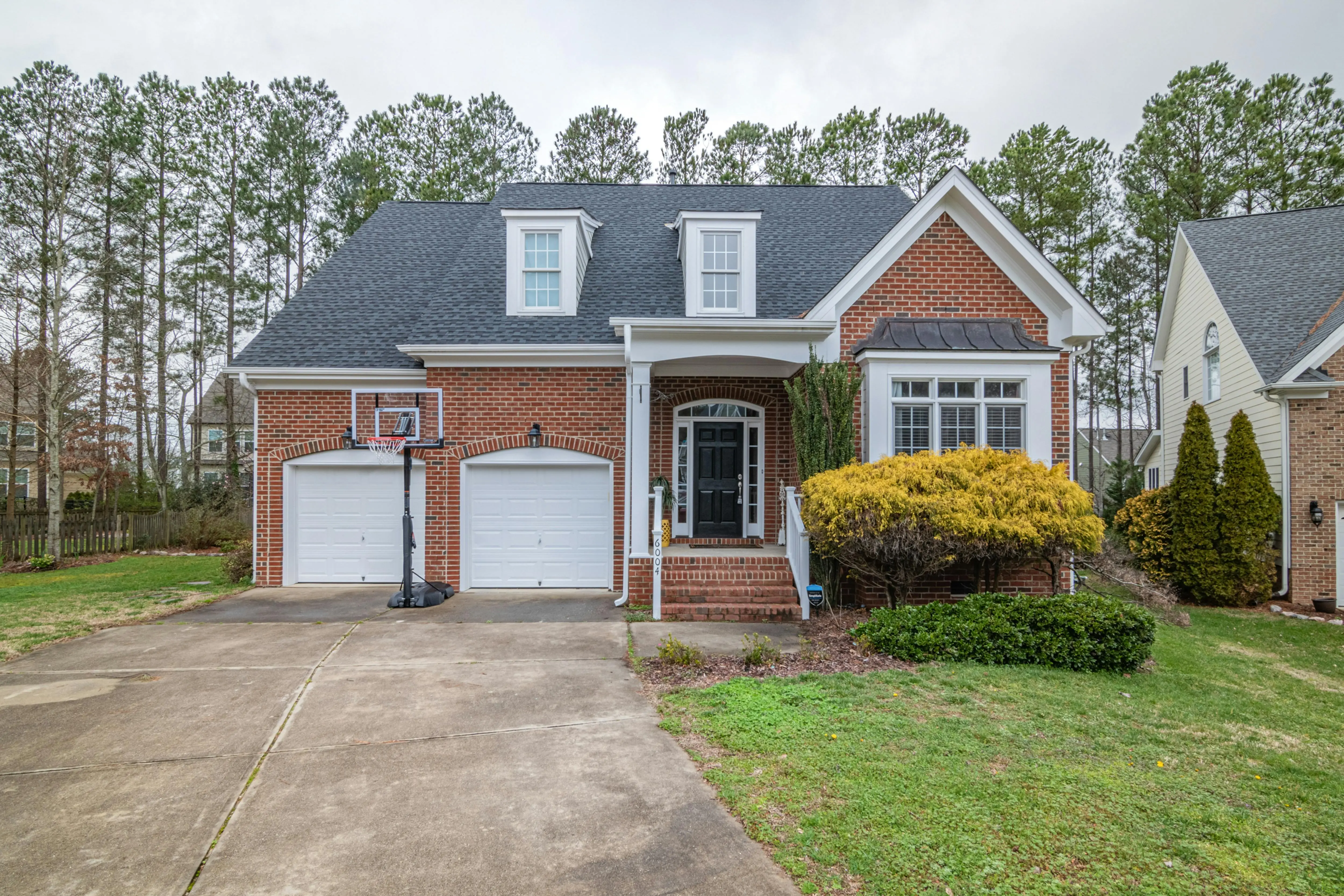
Why Your Driveway Needs a Smart Package Delivery Notification System
Every year, more than 1.7 million packages disappear from American driveways. A single missed delivery can cost you time, money, and peace of mind. Installing a driveway package delivery notification camera is the fastest, most affordable way to stop porch pirates and keep tabs on every box that lands at your door.
In this guide, Drivewayz USA shows you how to choose, install, and fine-tune a smart camera alert system that works hand-in-hand with your existing driveway layout—whether you have a sweeping stamped-concrete apron or a gravel turnaround.
How Driveway Package Delivery Notification Cameras Work
Modern “smart” cameras do far more than record video. They create an instant communication loop between your driveway and your phone the moment a delivery driver steps onto your property.
Motion Detection Triggers
Cameras use a mix of pixel-change software, passive infrared (heat), and radar to distinguish between a human, a vehicle, and a wandering raccoon. Look for models with AI person-vehicle detection to cut false alerts by up to 95 %.
Instant Push, Text & Email Alerts
Within 2–4 seconds, the camera’s cloud server pings your phone. Most apps let you customize the sound, vibration pattern, and even the message (e.g., “Package delivered at front drive”).
Two-Way Talk & Deterrent Sounds
Tap the mic icon and greet the driver: “Please leave it behind the planter.” If someone loiters, trigger a 110 dB siren or auto-play a recorded “You’re on camera” message.
Cloud vs. Local Storage
Cloud plans ($3–$12/mo) give 30–60 days of rolling video and package-specific tags. Local micro-SD cards (up to 512 GB) save you subscription fees but can be stolen. The sweet spot: a camera with both options.
Choosing the Right Camera for Your Driveway Setup
Not every camera belongs at the end of a 300-ft gravel lane. Match specs to your driveway’s size, surface, and power reality.
Best Camera Styles for Different Driveways
- Short Urban Drive (≤ 40 ft): Battery doorbell cam with 180° lens covers the sidewalk to the garage.
- Suburban Two-Car Drive (40–80 ft): Dual-camera floodlight mounted on the garage soffit gives 2K detail and color night vision.
- Rural Sweeping Drive (80 ft+): Solar-powered LTE camera on a post near the mailbox; no Wi-Fi needed.
Key Specs Checklist
- Minimum 2K resolution to read license plates 25 ft away.
- IP65 or higher for rain, snow, and sprinkler overspray.
- Operating temp range –4 °F to 120 °F (important for asphalt heat).
- Built-in radar or package detection mode—alerts only when a box is placed, not when a car passes.
Power Options: Hardwired, Battery, Solar
Asphalt & Concrete: Trenching 120 V under a fresh pour is cheap during new installation—add only $150 in electrician labor. Existing Pavement: Go battery or solar. A 5-watt panel the size of a paperback keeps a 5,000 mAh battery topped off year-round in Zone 5 climates.
Pro Installation Tips for Drivewayz-Grade Reliability
Mounting Height & Angle
Position the lens 8–10 ft high and tilted 15° down. This captures faces even when drivers wear baseball caps and avoids headlight glare at night.
Wi-Fi Range Fixes
Asphalt reflects signal; concrete absorbs it. Test bandwidth at the mount point with your phone. Under 2 bars? Add an outdoor mesh node in a weatherproof enclosure on the garage gable—cheaper than trenching Ethernet.
Cable Protection on Existing Pavement
Use a driveway-grade cable protector ramp (rubber, 15,000 lb rating) instead of cheap plastic. Anchor it with 4-in concrete screws and silicone so frost heave doesn’t shift it.
Anti-Tamper Tricks
Mount the camera on a wedge that aims down toward the driveway; this keeps a thief from reaching it with a stick or spray paint. Run the security torx screw into a metal anchor, not vinyl soffit.
Integrating Alerts with Daily Routines
Smart-Home Automations
IFTTT or Alexa Routines can flash your kitchen lights, pause the TV, or even unlock a package drop vault when the camera confirms a box is placed. Geo-fence the automations so they only fire when you’re actually home.
Household Sharing
Create a “Family” group in the camera app and assign different alert windows. Kids get notifications after school; parents get 24/7 alerts. This prevents 3 a.m. push fatigue.
Delivery Instructions Field
Update Amazon, FedEx, and UPS profiles with a short note: “Leave packages behind the black planter on right side of driveway—camera is recording.” Drivers follow instructions 89 % more often when they see the word camera.
Legal & Privacy Considerations
Your driveway is private property, but the lens can still see the sidewalk or neighbor’s windows. Point the camera so the bottom 10 % of the frame starts at your property line. Post a 4×6-inch “24-hour video recording” decal on your mailbox—deterrent plus disclosure in one shot.
Audio recording laws vary by state. If you’re in a two-party consent state (e.g., CA, CT), disable always-on audio and switch to press-to-talk only.
Maintenance Schedule to Keep Alerts Accurate
- Monthly: Wipe lens with a microfiber cloth; asphalt dust creates a hazy film that triggers false motion.
- Spring: Re-paint any faded mounting hardware to stop rust streaks on new concrete.
- Fall: Clear spider webs with a soft brush—IR lights attract insects, causing night-time ghost alerts.
- After Snow Plowing: Check that the camera tilt hasn’t been bumped by a shovel or blower chute.
Typical Costs & ROI
DIY vs. Pro Install
| Item | DIY | Pro (Drivewayz USA) |
|---|---|---|
| 2K Battery Camera + Solar Panel | $199 | $199 |
| Mounting & Wi-Fi Check | $0 | $120 |
| Cable Protector Ramp | $45 | $65 installed |
| Annual Cloud Plan | $36 | $36 |
Insurance & Resale Value
Many insurers give a 5–10 % discount on personal-property premiums when you provide a certificate of cloud recording. At $1,200/yr premium, that’s $60–$120 back—basically paying for the camera.
Frequently Asked Questions
Yes—set a custom detection zone that follows the contour of your drive. Use the “package” AI filter instead of generic motion so the alert only fires when an object the size of a shoebox or larger is placed inside the zone.
Absolutely. Use a heavy-duty strap-mount bracket (the type made for porch columns) lined with rubber grip pads. One wrap around a 14-inch pillar holds 25 lb—more than enough for any battery cam.
A 5-watt panel needs four hours of full sun per week to keep a 5,000 mAh battery charged. Mount it at a 45° angle facing south, and brush off snow after storms. If you routinely go a week without sun, swap to a dual-battery model.
No—motion sensors read heat and shape, not surface reflectivity. Just keep overspray off the lens; cover the camera with a zip-lock bag and blue tape before work begins.