
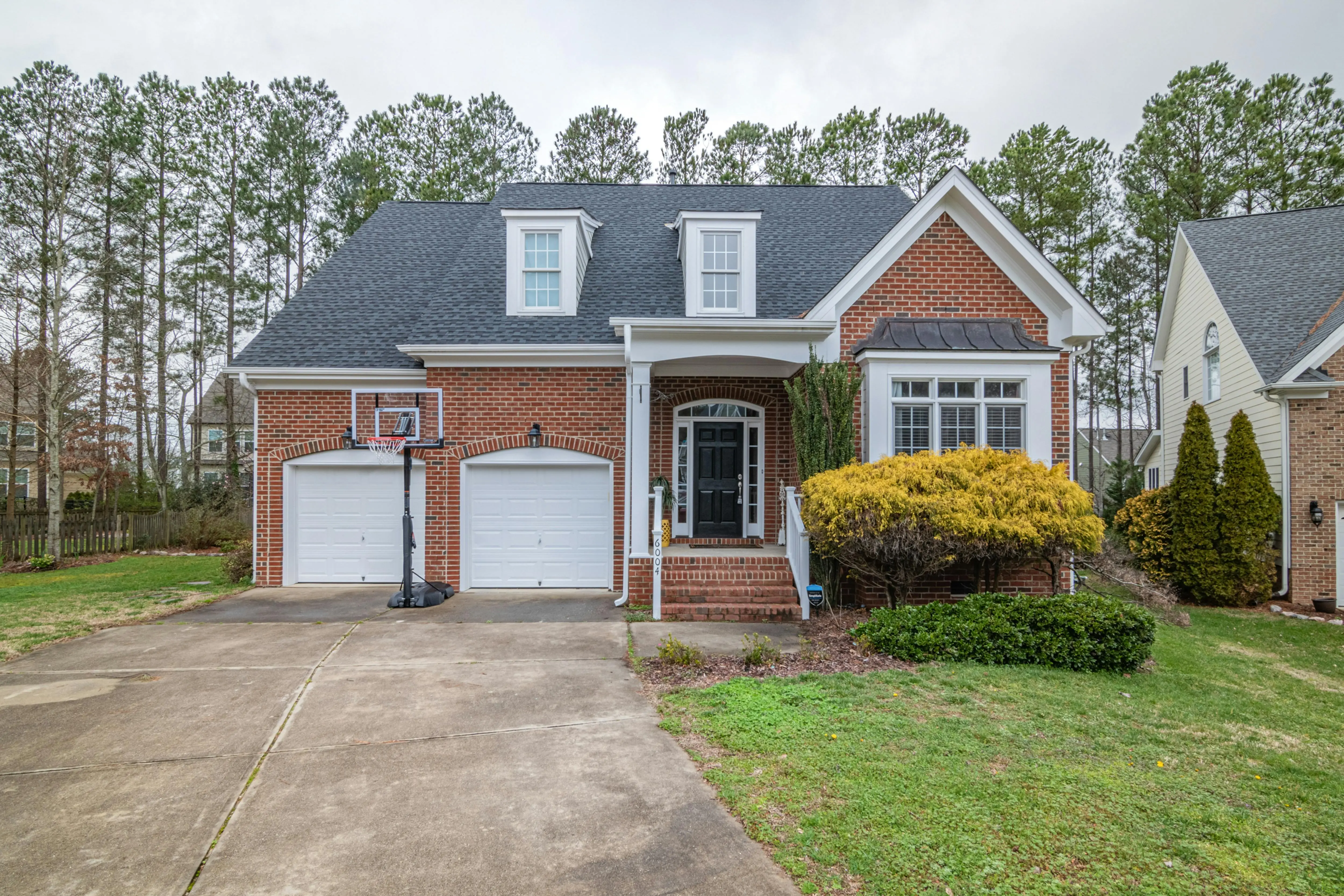
What a Driveway Noise Impact Study Really Measures
A Driveway Noise Impact Study is the first step toward a quieter front yard. It pinpoints how much unwanted sound comes from two main sources: daily car trips over the pavement and the short-term clatter of construction equipment. By measuring decibel (dB) levels at different times of day, homeowners learn whether their driveway is a minor nuisance or a legitimate health concern.
Local codes rarely require a formal study for single-family homes, but the data you collect can guide material choices, landscaping upgrades, and even property-line negotiations with neighbors. Think of it as a “sound photograph” that captures peak traffic thuds, backup-beepers, and the low-frequency rumble that seeps indoors.
Why Driveway Noise Should Be on Every Homeowner’s Radar
Health & Comfort
Continuous noise above 55 dB (think busy restaurant level) is linked to poor sleep, higher blood pressure, and stress hormones. A typical sedan rolling over an asphalt driveway registers 60–65 dB at 10 ft; a diesel pickup can hit 70 dB. Multiply that by dozens of trips per day and the impact adds up fast.
Property Value
REALTORS® report that homes exposed to “noticeable but tolerable” driveway noise sell for 3–5 % less and stay on the market two weeks longer. A documented noise-reduction plan reverses that discount and becomes a selling point.
Neighbor Relations
Nothing sparks HOA feuds faster than 6 a.m. delivery trucks waking the cul-de-sac. Sharing a concise Driveway Noise Impact Study shows you’re taking responsibility before complaints pile up.
Breaking Down the Two Main Culprits
Everyday Traffic Noise
- Tire–Surface Interaction: Grooved tires on coarse gravel can produce 5–8 dB more sound than the same tires on smooth, sealed asphalt.
- Vehicle Speed: A car moving 15 mph generates roughly 60 dB; double the speed to 30 mph and you add another 6 dB.
- Driveway Slope: Steep inclines force engines to work harder, adding 2–4 dB of low-frequency growl.
Construction & Renovation Noise
- Equipment Inventory: Plate compactors (85 dB), concrete saws (92 dB), and dump trucks (88 dB) all exceed OSHA’s 85 dB “hearing protection” threshold.
- Duration & Timing: A two-day paver installation can create 16–20 hours of intermittent high-decibel bursts, often during early-morrowing hours when ambient noise is lowest—making each blast seem louder.
DIY Driveway Noise Assessment: 7 Steps Anyone Can Follow
- Download a Sound-Level App
Free apps like “NIOSH SLM” or “Decibel X” are accurate within ±2 dB when used on modern phones. Calibrate outdoors in a quiet spot first. - Map Measuring Points
Mark three spots: (A) property line closest to the street, (B) midpoint of the driveway, and (C) 10 ft from any bedroom window. - Log 24-Hour Cycles
Record 1-minute Leq (average) levels every hour for at least one weekday and one weekend day. Note vehicle type and weather; wet pavement amplifies sound. - Identify Peak Events
Circle any reading ≥70 dB. Write down what caused it (garbage truck, contractor van, your teen’s cold start). - Calculate Day–Night Level (Ldn)
Add a 10-dB “penalty” to any nighttime reading (10 p.m.–7 a.m.). Average the adjusted numbers; an Ldn above 55 dB warrants mitigation. - Photograph & Document
Snap a wide shot of each measuring point. Photos help contractors design barriers or suggest surface changes later. - Store Data in the Cloud
Save the spreadsheet plus audio clips. If you ever sell, buyers love seeing proactive environmental data.
When to Upgrade to a Professional Driveway Noise Impact Study
Complex Driveway Geometry
Curved, shared, or circular drives bounce sound in unpredictable ways. Acoustical consultants use 3-D modeling software to trace “sound rays” and locate hot spots.
Regulatory or HOA Requirements
Some municipalities require a stamped study before issuing permits for permeable pavers, heated driveways, or commercial-grade gates.
Litigation or Insurance Claims
If neighbors claim your renovation damaged their peace or property value, a certified study provides defensible evidence.
What Pros Bring to the Table
- Class-1 sound meters (±1 dB accuracy)
- Traffic-count tubes to correlate noise with vehicle volume
- FFT analysis that separates low rumble from high-frequency hiss
- Final report stamped by a Board-Certified Noise Control Engineer (INCE)
Expect to pay $800–$1,500 for a residential driveway report—less than 1 % of the average U.S. driveway replacement cost.
Proven Ways to Cut Driveway Noise After the Study
Surface Upgrades
- Rubberized Asphalt: Adds recycled crumb rubber to the top coat, cutting tire noise 4–6 dB. Lifespan: 12–15 years.
- Resin-Bound Gravel: Locks stones in polyurethane, eliminating the crunch under tires. Reduces sound 3–5 dB and stays permeable.
- Porous Concrete: Absorbs engine harmonics and rainwater; expect 2–3 dB drop plus storm-water credits from many cities.
Strategic Landscaping
- Earth Berm: A 3-ft-high mound along the drive drops mid-frequency noise 6–8 dB. Cover with native shrubs for year-round benefit.
- Evergreen Wall: Four staggered rows of Eastern red cedar (8 ft on center) achieve 3–5 dB reduction in just three years.
- Water Features: A small recirculating stream adds pleasant “masking” sound at 45 dB, making remaining traffic less noticeable.
Barriers & Fences
- Mass-Loaded Vinyl Fence: 1 lb/ft² density blocks 25 dB at 500 Hz. Combine with decorative wood outer shell.
- Acoustic Masonry: A 6-ft stone veneer wall delivers 30 dB reduction but needs proper footings; budget $28–$35 per linear foot.
Construction-Phase Quick Fixes
- Schedule noisiest tasks 9 a.m.–5 p.m. weekdays to avoid HOA quiet hours.
- Rent newer Tier-4 equipment; it runs 2–4 dB quieter and cuts emissions.
- Fit compactors with rubber mats to absorb impact energy.
- Erect temporary 8-ft plywood screens lined with quilted fiberglass; drops operator noise 5–7 dB for neighbors.
Ballpark Costs vs. Noise Reduction ROI
| Mitigation Option | Typical Cost (100-ft Driveway) | Noise Drop (dB) | Payback* |
|---|---|---|---|
| Rubberized Asphalt Overlay | $2,200 | 4–6 dB | 3-year value gain |
| Evergreen Hedge | $800 DIY / $2,000 installed | 3–5 dB | Instant curb appeal |
| 6-ft Masonry Wall | $3,500 | Up to 30 dB | 5 % price premium at sale |
| Resin-Bound Gravel | $3,800 | 3–5 dB | 15-year lifespan, low upkeep |
*Payback = estimated increase in resale value or personal enjoyment that equals or exceeds upfront cost within the period shown.
Local Regulations & Incentive Programs
Noise Ordinance Cheat Sheet
Most cities set 55 dB daytime and 45 dB nighttime limits at the property line. Mechanical equipment may have separate 7 a.m.–8 p.m. windows. Fines start at $100 and climb quickly for repeat offenses.
Green Infrastructure Rebates
Permeable, noise-reducing surfaces often qualify for storm-water fee reductions. Portland, OR, rebates up to $2 per sq ft; Chicago offers $1.25. Check your water bureau’s website.
HOA Architectural Committees
Submit your Driveway Noise Impact Study alongside material samples. Emphasize how proposed changes protect neighborhood tranquility—boards rarely deny science-backed requests.
Keep the Quiet: Maintenance Tips That Preserve Noise Reduction
- Seal Cracks Annually: Even hairline gaps turn into mini-speakers as tires thump over them. Cold-pour sealant costs <$30 and saves 2 dB.
- Re-Level Gravel: Ruts amplify tire crunch. Rake and compact every six months.
- Trim Hedge Tops: Sound leaks over thin spots; keep evergreens 1 ft above desired height for density.
- Clean Porous Surfaces: Power-wash resin or pervious concrete yearly to prevent clogging that turns quiet pores into echo chambers.
Frequently Asked Questions
Usually no. If your DIY readings stay under 55 dB Ldn and local code doesn’t ask for stamped reports, you can proceed with confidence. Keep your spreadsheet and photos on file in case neighbors or the city ask later.
Interlocking concrete pavers are denser than asphalt and can actually increase tire slap by 2–3 dB. If you love the look, choose rubberized polymeric sand and a cushioned base to claw back those decibels.
Expect 1–2 dB the first year as branches fill in. By year three, a properly planted triple-row hedge can deliver 4–5 dB—comparable to an expensive fence at a fraction of the cost.
Yes. Place the meter on a tripod, start logging, and go inside. Download data the next morning. Avoid flashlights or talking near the mic; even casual chatter can spike readings.