
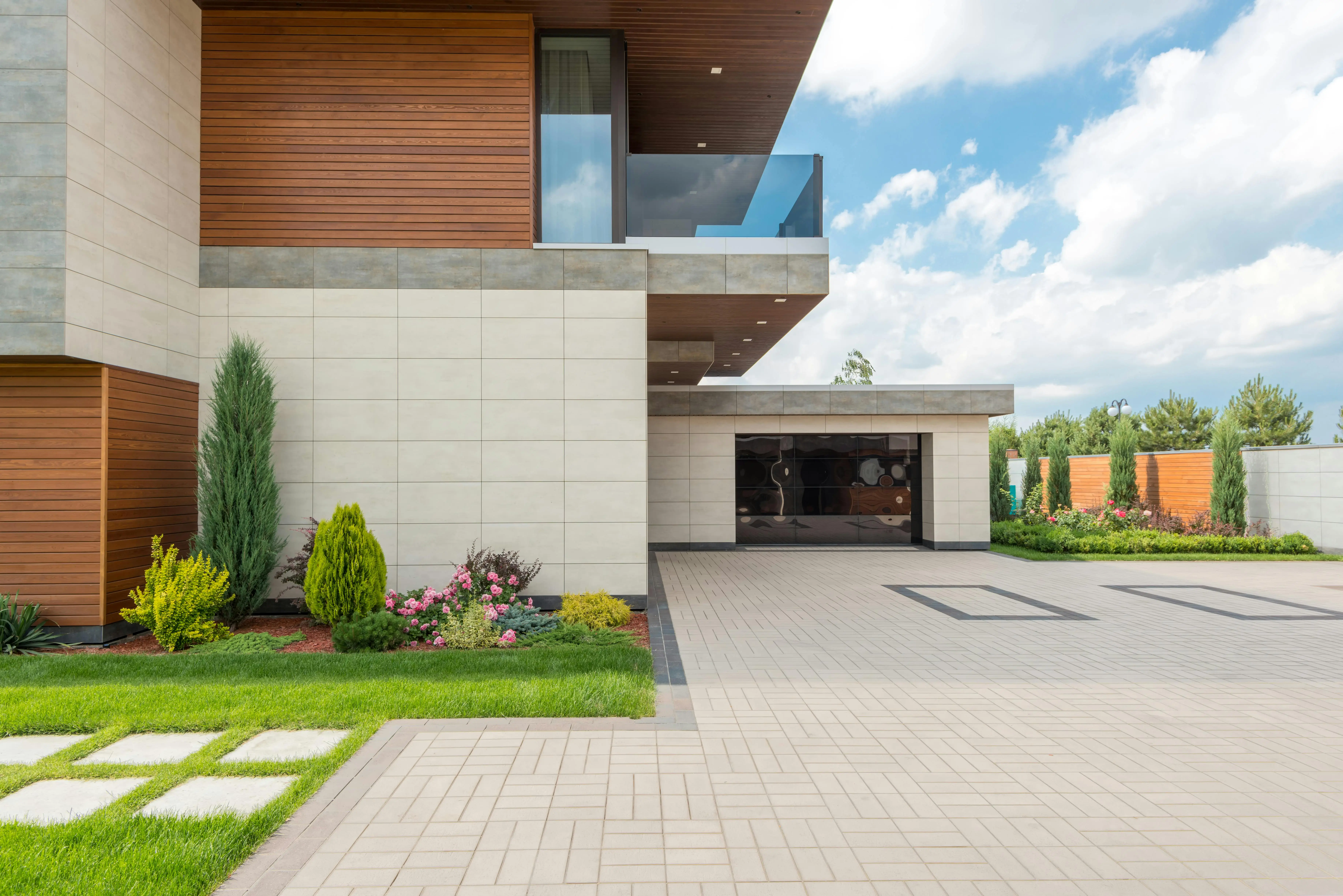
What Is Driveway Microsurfacing?
Driveway microsurfacing is a thin, high-performance wearing course that’s applied on top of your existing asphalt. It’s not a sealer and it’s not a full resurfacing—think of it as a protective “skin” that restores the surface, stops minor cracking in its tracks, and buys you 7–10 years of extra life before a costly tear-out and repave.
Homeowners love microsurfacing because it cures quickly (traffic-ready in 24 hours), costs roughly one-third of a new driveway, and leaves a dark, uniform finish that instantly boosts curb appeal.
How Microsurfacing Works (and Why It’s Different)
The Science Behind the Mix
Microsurfacing uses a polymer-modified asphalt emulsion, crushed fine aggregate, mineral filler, and a precise dose of chemical accelerators. The mix is made on-site in a mobile machine and applied at 8–12 lbs per square yard—about the thickness of two credit cards.
Microsurfacing vs. Sealcoating vs. Overlay
- Sealcoating: Cosmetic protection only; fills hairline cracks, no structural value.
- Microsurfacing: Adds 8–10 mm of new material, seals minor raveling, and restores skid resistance.
- Overlay: 1.5–2 inches of hot-mix asphalt; structural upgrade but double the price.
Top 5 Benefits for Homeowners
1. Stops Oxidation Cold
UV rays turn asphalt brittle. Microsurfacing’s polymer film blocks oxygen and keeps the binder flexible.
2. Seals Out Water
Water is the #1 driveway killer. The tight matrix prevents moisture from reaching the base and creating freeze-thaw potholes.
3. Smooth, Quiet Ride
The fine aggregate knits together into a velvety surface—no loose gravel, no tire noise like chip seal.
4. Dark, “New Pave” Look
One pass and your driveway looks freshly paved, raising perceived home value overnight.
5. Eco-Friendly & Budget-Friendly
Uses 70 % less raw material than mill-and-fill, and the rapid cure means minimal energy use and zero downtime.
When to Microsurface Your Driveway
Age Sweet Spot: 3–7 Years Old
Too soon and you’re wasting money; too late and cracks have already reached the base. If your driveway is showing:
- Light to moderate raveling (stones coming loose)
- Hairline or alligator cracks less than ¼ in wide
- Faded gray color but no potholes
…you’re in the microsurfacing sweet spot.
Seasonal Window
Air and surface temps must stay above 50 °F for 24 hours after placement. In most states that means late April through early October. Schedule early—contractors book fast during the short season.
Preparation Checklist: 6 Steps Before the Truck Arrives
- Clean thoroughly: Pressure-wash oil spots, sweep away grit, and kill any moss.
- Repair first: Fill cracks wider than ¼ in with hot rubberized sealant and patch potholes.
- Trim edges: Cut back grass 2 in from the pavement so the paver can feather the edge.
- Move vehicles & trailers: The crew needs 24 hrs of clear space.
- Notify neighbors: They’ll appreciate a heads-up about the 6 a.m. equipment arrival.
- Turn off sprinklers: Water on the surface dilutes the emulsion and ruins the bond.
Day-of Installation: What to Expect
Step 1: Truck Set-Up
A self-contained microsurfacing paver mixes aggregate, emulsion, and additives on the fly. Crews adjust the mix every 500 sq ft based on temperature and humidity.
Step 2: Application
The mix is fed into a spreader box with rubber blades that squeegee the material evenly. Edges are hand-squeegeed for a crisp line.
Step 3: Initial Cure
The surface is traffic-ready in 1–2 hours in summer, 4–6 hours in spring/fall. You can walk on it in 30 minutes.
Step 4: Final Sweep
Next day the crew lightly brooms off any loose fines and checks for streaks. Touch-ups take minutes.
Typical Driveway Microsurfacing Costs
Price Range by Region
- Midwest/South: $1.20–$1.60 per sq ft
- Northeast/West Coast: $1.70–$2.20 per sq ft
What Moves the Needle?
- Prep work: Crack sealing adds $0.35–$0.50 per linear ft.
- Access: Long hose runs or tight corners may carry a $150 mobilization fee.
- Size discounts: Under 1,000 sq ft often has a minimum charge of $1,200.
ROI Snapshot
A 2,000 sq ft driveway at $1.50 = $3,000. Delaying a $9,000 mill-and-overlay for 8 years saves you $6,000 in today’s dollars—an 11 % annual return on investment.
Post-Care & Long-Term Maintenance
First 48 Hours
- Keep cars, bikes, and basketball hoops off the surface.
- Don’t turn steering wheels while stationary—it can scuff the fresh mat.
Seasonal Habits
- Rinse off fertilizer, gas, and oil immediately; they de-bond the polymer film.
- Use a plastic shovel—metal blades can gouge the thin layer.
- Skip harsh ice melts; calcium chloride flakes are safest.
Inspection Schedule
- Year 3: Look for hairline cracks and touch-up with crack sealer.
- Year 5: Apply a light fog seal to renew color if desired.
- Year 8: Schedule a contractor evaluation for a second microsurfacing cycle or upgrade to an overlay.
Can You DIY Driveway Microsurfacing?
Short answer: not really. The equipment (continuous-flow pugmill, calibrated spreader box, computerized additive pump) rents for $2,500 a day and weighs 14,000 lbs. Mix ratios must stay within 1 % tolerance or the surface ravel in months. For a 600 sq ft pad, you’d spend more on rental and haul fees than hiring a certified crew.
Pro tip: Leave it to the pros, but ask to see their ISSA (International Slurry Surfacing Association) certification and a recent job reference within 10 miles.
Choosing the Right Microsurfacing Contractor
Red Flags
- Quotes by the bucket or “per gallon” instead of per square foot
- No tack coat on concrete or heavily polished asphalt
- Promises to microsurface over ½-in deep cracks without filling them first
Must-Ask Questions
- “What’s the aggregate gradation and what’s the residual asphalt content?” (Target: 5.5–6.5 %)
- “Will you spot-seal cracks first and roll them?”
- “How soon can I drive on it if temps drop to 55 °F tonight?”
- “Do you provide a 3-year warranty against raveling?”
Written Contract Checklist
- Exact square footage and thickness
- Crack-sealing protocol
- Weather clause (rain delay, temp minimums)
- Payment schedule: 50 % on completion, 50 % after 24-hr inspection
Frequently Asked Questions
When applied to a sound surface and maintained properly, driveway microsurfacing lasts 7–10 years in residential use. Annual rinsing and prompt crack sealing can push the upper end of that range.
No. Cracks wider than ¼ in and any potholes must be repaired first; microsurfacing is only ⅜ in thick and designed to seal surface raveling, not reconstruct the pavement.
Only with a specialized tack coat and a thicker “type III” mix. Expect a 20 % cost premium and a slightly rougher texture than on asphalt.
Close, but microsurfacing uses polymer-modified emulsion and can be opened to traffic faster. Slurry seal is older technology and better suited for low-traffic parking lots.