
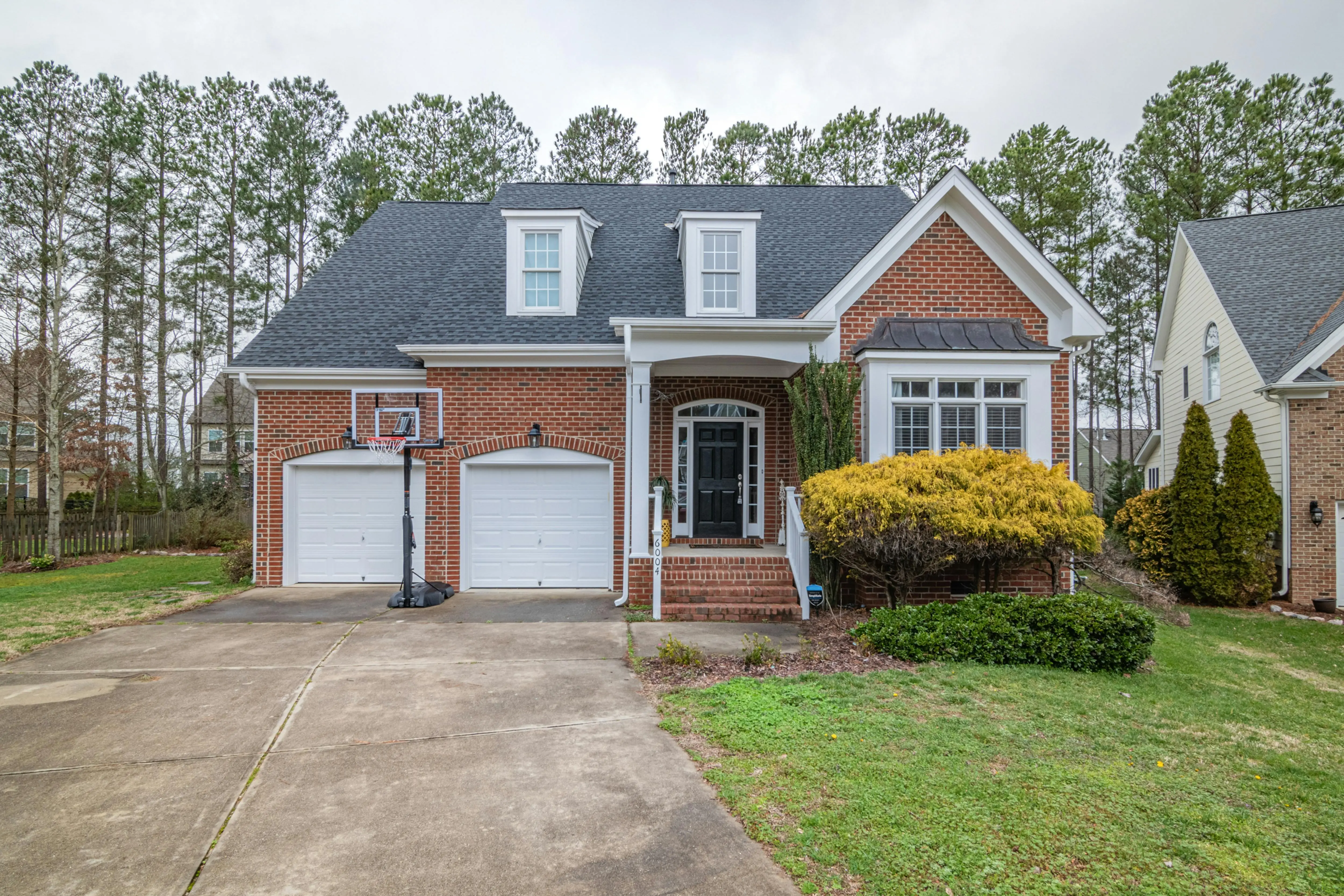
Why the Right Driveway Material Warranty Matters
A new driveway is a four-figure (often five-figure) investment. The warranty that comes with it is your safety net against cracking, fading, shifting, or premature failure—yet most homeowners glance at the headline “10-year guarantee” and never read the fine print. In our Driveway Material Warranty Comparison we break down what’s actually covered, what’s excluded, and how to make sure the warranty survives if you sell the house.
Use this guide to compare concrete, asphalt, pavers, gravel, and resin-bound systems side-by-side, then arm yourself with the questions to ask any contractor before you sign.
Concrete Driveway Warranties: Cracks, Color, and Cure Time
Standard Coverage Length
Most ready-mix suppliers and installers offer 5–10 years on residential work. National franchise outfits often advertise “Lifetime” warranties, but that usually means the original owner’s lifetime and contains pro-rated reductions after year 10.
What’s Typically Covered
- Structural cracking wider than ⅛-inch that appears within the warranty window
- Surface scaling or spalling exceeding 5 % of total square footage
- Major color variation versus the approved sample (when integral color is used)
Common Exclusions
- Hairline shrinkage cracks (less than ⅛-inch)
- Damage from de-icing salts, fertilizers, or oil drips
- Settlement caused by poor sub-grade compaction unless the installer performed the base work
- Damage from snow-plow blades or heavy dumpster trucks
Pro Tips to Keep Concrete Coverage Valid
- Insist on a written curing protocol: 7-day wet cure or cure-and-seal compound.
- Seal the surface every 2–3 years; keep receipts—many warranties require proof.
- Do not park on the driveway for at least 7 days (10 days in cold weather).
Asphalt Driveway Warranties: Heat, Raveling, and Rutting
Standard Coverage Length
1–5 years is typical. Hot-mix plants rarely extend beyond that because asphalt is a petroleum product that naturally oxidizes.
What’s Usually Covered
- Surface raveling (loose stones) exceeding 10 % of the job
- Rutting or shoving greater than ½-inch depth
- Edge failure where the pavement breaks away in chunks
What’s Not Covered
- Fading from UV exposure (expect charcoal to turn gray within 12 months)
- Oil stains that soften the asphalt
- Cracks wider than ¼-inch that appear after the first freeze–thaw cycle
Maintenance Required to Keep Asphalt Warranties Active
Seal-coat within 6–12 months of install and every 2–3 years thereafter. Keep a simple log: date, product name, and contractor’s invoice. Skip seal-coating and most warranties are void.
Interlocking Concrete & Clay Paver Warranties
Manufacturer vs. Installer Warranty
Pavers come with two layers: the brick itself (manufacturer, 20–30 years against breakage) and the installation workmanship (2–10 years against settling or joint sand loss).
What Manufacturers Cover
- Spalling or cracking under normal pedestrian/vehicle loads
- Color fade exceeding 5 ΔE units (measurable with a spectrophotometer)
Installer Responsibilities
- Settlement exceeding ¼-inch over 10 feet
- Edge restraint failure that allows pavers to drift
- Polymeric sand wash-out within the first year
Transferability on Sale
Most paver makers allow one-time transfer, but the installer’s workmanship warranty almost always dies with the first owner. Ask for a “material-only” letter you can hand to the next buyer.
Gravel & Loose Aggregate: Is There Even a Warranty?
Industry Reality
Very few contractors warranty gravel because movement is expected. At best you’ll see 6–12 months on grading and compaction.
Possible Coverage Points
- Wash-boarding or potholes deeper than 2 inches within 90 days
- Delivery of wrong stone size or type
How to Protect Yourself
Get the delivery ticket that lists stone grade (e.g., ASTM #57). Take “before” photos of the sub-grade. If you’re paying for geotextile fabric, make sure the roll label is photographed and stapled to the invoice.
Resin-Bound & Stamped Overlay Warranties
Market Standard
10-year on UV stability and delamination is common, but only from suppliers that demand certified installers.
Key Coverage Clauses
- Yellowing or color shift ≤ 3 ΔE (measured on a color meter)
- Loss of stones exceeding 10 % per square meter
- Cracks telegraphing through from the base (if overlay was installed on sound concrete)
Exclusions That Shock Homeowners
- Tyre staining from hot tires on sports cars
- Damage from pressure-washing above 1,500 PSI
- Delamination caused by underlying concrete that later heaves—the resin company blames the base, not their product
Installation Must-Haves for Valid Claims
- Air and surface temperature logged at install (must stay above 50 °F for 24 h)
- Moisture readings under 5 % (contractor should provide Tramex meter print-out)
- Two-stage primer application photo-log
How to Read Warranty Fine Print in 5 Minutes
- Find the Definitions Section. Cracks “wider than a nickel” or “structural” mean different things to different companies.
- Check Pro-Ration. A 10-year warranty that drops 10 % coverage every year is almost worthless in year 8.
- Look for Maintenance Clauses. If seal-coating or joint sand refill is required, mark those dates on your calendar the day the job ends.
- Confirm Transfer Steps. Some require written notice within 30 days of home sale or the warranty evaporates.
- Dispute Resolution. Arbitration in another state? That’s a red flag.
10 Questions to Ask Your Driveway Contractor Before You Sign
- Is the warranty from you, the supplier, or a third-party insurer?
- Can I see a sample warranty today, not after the deposit is paid?
- What exact maintenance is required and how often?
- Does coverage drop if I don’t hire you for that maintenance?
- How is a crack determined to be “structural” vs. “cosmetic”?
- Is the warranty transferable, and is there a fee?
- Who pays for tear-out and disposal if a claim is approved?
- Are color-matching repairs guaranteed to blend in?
- What is the response time for an on-site inspection after I file a claim?
- Can I buy an extended warranty for an extra cost—and is it worth it?
Print-and-Go Warranty Checklist for Closing Day
- ☐ Final invoice paid and stamped “paid in full”
- ☐ Copy of manufacturer’s warranty (name, address, phone)
- ☐ Copy of installer’s workmanship warranty (separate document)
- ☐ Proof of base compaction test (if performed)
- ☐ Receipt for first seal or cure application
- ☐ Digital photos of finished driveway with date stamp
- ☐ Maintenance schedule with calendar reminders set
- ☐ Transfer form pre-filled (only needs buyer signature later)
Frequently Asked Questions
Only if the warranty specifies “by a certified contractor.” Read the maintenance clause. If a product name (e.g., “SealMaster Coal Tar”) is required, using a big-box store sealer can indeed void coverage. When in doubt, ask the contractor to sell you a DIY kit that keeps the warranty intact.
Most concrete warranties allow one transfer, but you must notify the contractor in writing within 30–60 days of closing. Pay the small admin fee (usually $50–$100) and record the new owner’s name so future claims aren’t denied.
Manufacturer warranties on material (pavers, resin, sealer) remain valid, but workmanship coverage disappears. That’s why some homeowners buy third-party warranty insurance for an extra 5 % of the job cost—ask if your contractor offers it.
Usually they’re pro-rated after the first few years and cover only the original homeowner. Treat them as marketing, not true lifetime coverage, and compare the prorated schedule side-by-side with a straightforward 10-year full-replacement warranty.