
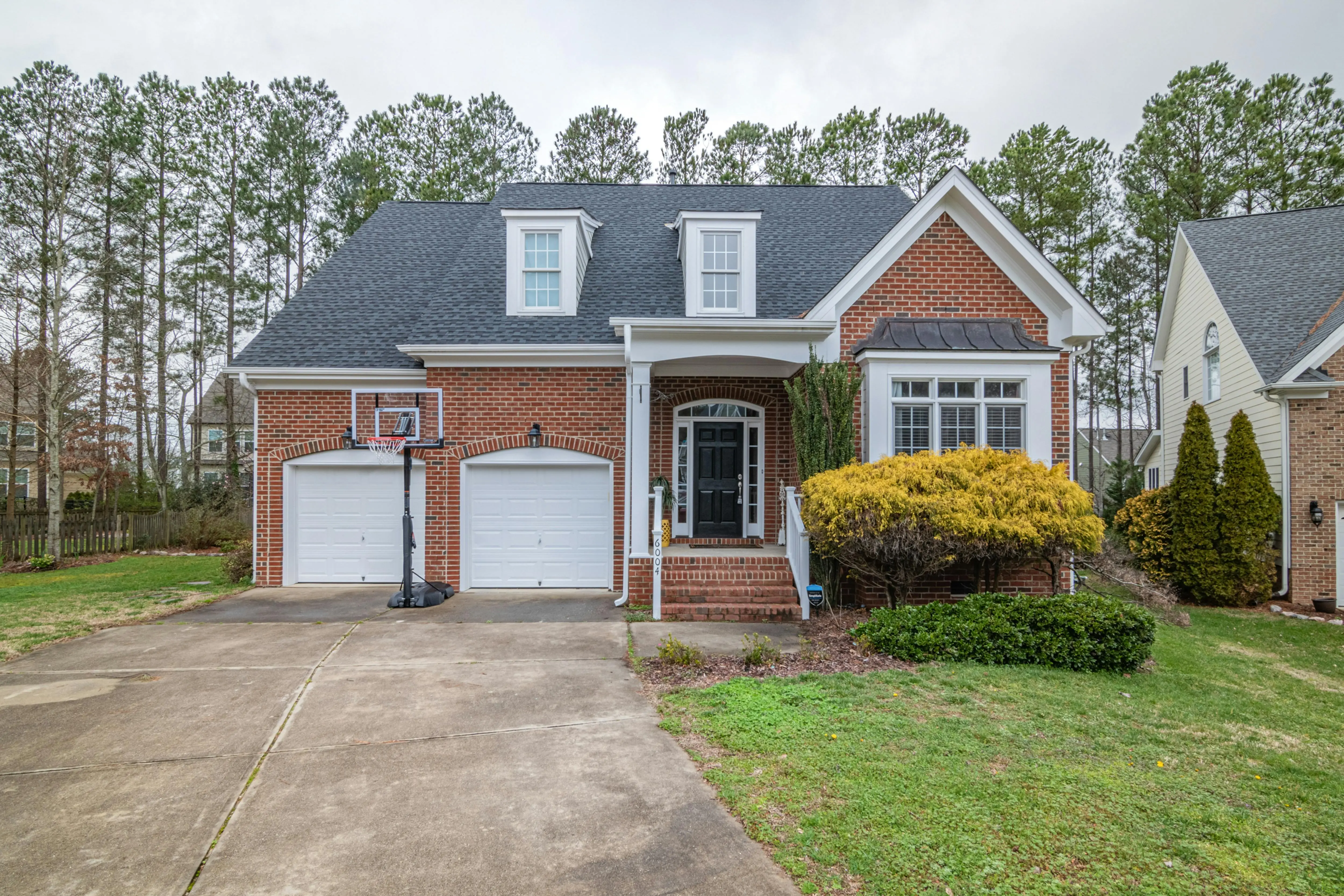
Driveway Material Comparison: Cost Rankings, Pros, and Best Options
Your driveway is more than just a place to park your car, it plays a key role in your home’s overall appearance, functionality, and long-term value. The right driveway material can enhance curb appeal, reduce maintenance costs, and last for decades. On the other hand, a poor choice can lead to frequent repairs, drainage problems, and unnecessary expenses. Because driveways are exposed to changing weather conditions, heavy vehicles, and daily wear, selecting the right material is essential for durability and performance.
Key Factors to Consider Before Choosing a Driveway Material
Before diving into cost comparisons, it’s important to understand the factors that influence your decision.
Budget: Upfront vs Long-Term Cost
Some driveway materials are inexpensive to install but require frequent maintenance. Others may have a higher upfront cost but offer long-term savings due to durability and minimal upkeep.
Climate Conditions
Your local climate plays a huge role in determining which material will perform best.
- Concrete is better suited for hot climates
- Asphalt works well in colder regions because it can expand and contract
- Permeable materials are ideal for areas with heavy rainfall
Maintenance Requirements
Different materials come with different levels of maintenance. Some require sealing, resurfacing, or frequent repairs, while others need very little attention over time.
Lifespan and Durability
Choosing a durable material ensures fewer replacements and better value over time.
Aesthetic Appeal
Driveways contribute significantly to your home’s exterior design. Some materials offer more customization options, allowing you to match your home’s style.
Driveway Materials Ranked by Cost (Lowest to Highest)
Here is a complete comparison of driveway materials based on their average installation costs.
Gravel Driveway (Lowest Cost Option)
Gravel is one of the most affordable driveway materials available, making it a popular choice for budget-conscious homeowners.
- Cost: $1 – $3 per square foot (approximately)
- Lifespan: Unlimited with proper maintenance
Gravel offers excellent drainage and is relatively easy to install, even as a DIY project. However, it requires regular maintenance such as regrading and replenishing stones. It may also scatter easily and can be difficult to manage in snowy conditions. Gravel is best suited for rural properties or homes where cost savings are a top priority.
Asphalt Driveway
Asphalt is a widely used driveway material that offers a good balance between affordability and performance.
- Cost: $3 – $5 per square foot (approximately)
- Lifespan: 15 – 20 years (with proper maintenance)
It is quick to install and performs well in colder climates. Repairs are relatively simple and cost-effective. However, asphalt requires sealing every few years and may soften in extreme heat. This option is ideal for homeowners looking for a practical and cost-effective solution.
Tar-and-Chip Driveway (Chip Seal)
Tar-and-chip driveways provide a textured, more visually appealing alternative to traditional asphalt.
- Cost: $4 – $7 per square foot (approximately)
- Lifespan: 10 – 15 years (with proper maintenance)
They offer better traction and require less maintenance than gravel. However, the surface can feel rough, and loose stones may appear during the initial period after installation. Availability of contractors can also be limited in some areas. This material works well for rustic or countryside homes.
Concrete Driveway
Concrete is one of the most durable and long-lasting driveway materials available.
- Cost: $6 – $12 per square foot (approximately)
- Lifespan: 25 – 40 years (proper maintenance)
It provides a clean, modern look and requires minimal maintenance compared to other materials. However, concrete can crack under extreme weather conditions and may stain over time if not properly sealed. Concrete is ideal for homeowners seeking a long-term investment with strong durability.
Decorative Concrete (Stamped or Colored)
Decorative concrete adds a premium look by mimicking high-end materials like stone or brick.
- Cost: $12 – $18 per square foot (approximately)
It enhances curb appeal and can significantly increase property value. However, it comes with higher costs and requires resealing to maintain its appearance. Over time, colors may fade if not properly maintained. This option is best for homeowners focused on aesthetics and design.
Interlocking Pavers
Pavers are a popular choice for high-end driveways due to their flexibility and visual appeal.
- Cost: $10 – $20 per square foot (approximately)
- Lifespan: 30 – 50 years (proper maintenance)
They offer a wide range of design options and are highly durable. Individual pavers can be replaced easily if damaged. However, installation is labor-intensive, and weeds may grow between joints if not maintained. Pavers are perfect for homeowners who want a customizable and premium-looking driveway.
Natural Stone Driveway (Highest Cost Option)
Natural stone is the most luxurious driveway material available.
- Cost: $20 – $30 per square foot (approximately)
It offers unmatched beauty, durability, and a timeless appearance. However, it is expensive and requires skilled installation. Some stone surfaces can also become slippery when wet. Natural stone is best suited for luxury homes and high-end landscaping projects.
Quick Comparison: Cost vs Lifespan
- Gravel: Lowest cost, high maintenance, unlimited lifespan with care
- Asphalt: Affordable, moderate maintenance, 15 – 20 years
- Tar-and-chip: Mid-range cost, lower maintenance, 10 – 15 years
- Concrete: Higher upfront cost, low maintenance, 25 – 40 years
- Pavers: Premium cost, moderate maintenance, 30 – 50 years
- Natural stone: Highest cost, low maintenance, 40+ years
Eco-Friendly Driveway Options
Sustainable driveway materials are becoming increasingly popular among homeowners.
Permeable Pavers and Concrete
These materials allow water to pass through the surface, reducing runoff and improving drainage. They are environmentally friendly and help prevent water pooling.
Grass Reinforcement Grids
These systems combine natural grass with structural support, creating a green and visually appealing driveway. However, they are not suitable for heavy traffic. Eco-friendly driveway solutions are ideal for those looking to reduce environmental impact while maintaining functionality.
Installation and Maintenance Cost Breakdown
Beyond material costs, several factors influence the total price of a driveway.
Installation Considerations
- Site preparation and grading
- Drainage systems
- Accessibility for equipment
- Labor costs
Long-Term Maintenance Costs
- Gravel requires regular replenishing and leveling
- Asphalt needs periodic sealing and crack repair
- Concrete may require occasional sealing
- Pavers need joint sand replacement and cleaning
Understanding these costs helps avoid unexpected expenses in the future.
How to Choose the Best Driveway Material
Choosing the right driveway material depends on your specific needs and priorities.
Set Your Budget
If you’re working with a tight budget, gravel or asphalt may be the best options. For mid-range budgets, concrete offers great value. High-end budgets allow for pavers or natural stone.
Evaluate Climate Conditions
Select a material that performs well in your local environment to ensure longevity.
Consider Usage
Driveways that handle heavy vehicles require stronger materials like concrete, while lighter use allows for more flexible options.
Think Long-Term
Focus on durability and maintenance costs, not just initial installation price.
Expert Tips to Save Money on Driveway Installation
Saving money on your driveway project is possible with the right approach:
- Get multiple quotes from contractors
- Schedule installation during off-peak seasons
- Combine materials for cost efficiency
- Invest in proper base preparation to avoid future repairs
These strategies can significantly reduce overall costs without sacrificing quality.
Which Driveway Material is Best?
There is no single “best” driveway material for every homeowner. The right choice depends on your budget, climate, maintenance preferences, and design goals.
- Asphalt offers great value for money
- Gravel is best for affordability
- Pavers deliver premium aesthetics
- Concrete provides excellent durability
- Permeable options are ideal for eco-conscious homeowners
- Natural stone stands out for luxury appeal
A driveway is a long-term investment that requires careful planning and consideration. By comparing driveway materials based on cost, durability, maintenance, and appearance, you can choose an option that fits your needs perfectly. Taking the time to evaluate your priorities will ensure that your driveway not only looks great but also performs well for years to come.
FAQ
Up to a point. A 4-in. residential slab on proper 4-in. compacted gravel base handles passenger vehicles fine. Jumping to 6 in. adds ~20 % cost but only ~5 % extra life if joints and drainage are correct. Save the money for fiber mesh and control joints instead.
Yes, provided the existing surface is relativity flat and drainage isn’t ponding. Contractors mill (grind) problem areas, tack-coat, then lay a 1.5–2 in. overlay. Cost is about 60 % of full replacement, but expect 10–12 yr life vs. 20 yr for new.
Electric mats run $10–$15 sq ft installed. In snow-heavy regions, you’ll save $200–$400/yr in plowing and avoid salt damage. Payback is 10–15 years, but the real value is safety and convenience—priceless for elderly homeowners or north-facing slopes.
Real-estate studies show paver or stamped concrete driveways can recoup 75–85 % of cost at sale, vs. 65 % for basic asphalt. Brick and natural stone push closer to 90 % in upscale neighborhoods, but only if the rest of the home matches that quality tier.