
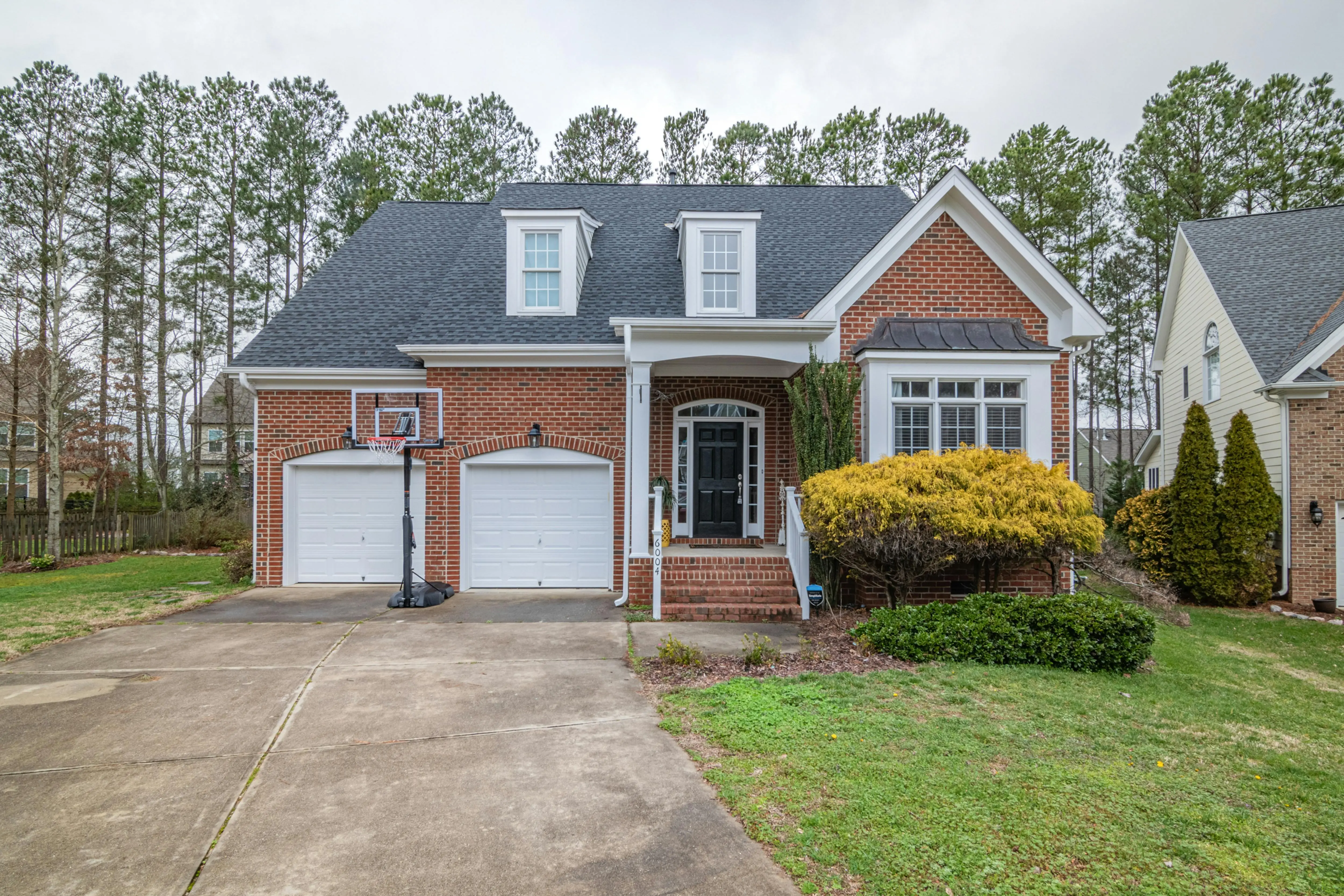
Driveway Material Comparison: Why Looks Matter as Much as Longevity
Your driveway is the red carpet to your home. It frames the landscaping, guides the eye to the front door, and sets the first impression before anyone steps inside. In this driveway material comparison we rank the most popular options purely on aesthetic appeal—color range, texture, design flexibility, and how well each surface complements different architectural styles. We’ll still touch on upkeep and cost, but the star of this guide is curb-appeal swagger you can achieve.
The 2024 Aesthetic Rankings: From Show-Stopping to Subtle
1. Pattern-Stamped Concrete – The Chameleon
Nothing beats stamped concrete for sheer visual versatility. Modern releases include 40+ stamp patterns (ashlar slate, herringbone brick, wood plank) and UV-stable color hardeners that won’t fade for a decade.
- Best home styles: Craftsman, Colonial, Modern Farmhouse
- Color tricks: Use a secondary release tint two shades darker than the base to create natural-looking highs and lows.
- Design hack: Border the drive with a contrasting 6" cobble-stone stamp; it frames the surface like a picture frame.
2. Clay Brick Pavers – Timeless Warmth
Clay’s earthy reds and oranges harmonize with brick siding, cedar shutters, and lush greenery. Because each brick is individually molded, you get subtle variation that reads “premium” even from the street.
- Lay patterns: Herringbone adds formality; running bond feels casual.
- Edge treatment: A sailor course (bricks standing on end) gives a built-in header that looks polished and prevents spread.
3. Natural Cobblestone – Old-World Charm
Granite cobbles scream “European villa.” The uneven surface bounces shadows around, creating depth no flat concrete can match. Go random mixed sizes (fan pattern) if you want a storybook feel; stick to single-size rectangles for a slightly more contemporary take.
4. Exposed Aggregate Concrete – Texture That Twinkles
By seeding river pebbles or recycled glass into fresh concrete, you get a glittery, slip-resistant finish. Choose black granite chips for a sleek charcoal canvas or multicolor quartz for a beach-house vibe.
5. Tar & Chip (“Chip Seal”) – Rustic & Budget-Friendly
From a distance it reads like vintage gravel, but the locked-in stone won’t scatter under tires. Opt for light-colored limestone chips to brighten shaded drives, or bronze granite for a sun-soaked, Tuscan look.
6. Standard Gray Concrete – Clean Minimalism
A smooth, steel-troweled slab is the little black dress of driveways. Color can be added integrally or with a penetrating stain, but the base palette is still limited. Works best when the home’s exterior already supplies visual interest.
7. Asphalt – Sleek & Uniform
Jet-black asphalt recedes visually, pushing attention toward landscaping or architectural details. Newer “colorized” sealers (charcoal, slate, brick-red) help, but they’re basically thin paint films that weather off in 2–3 years.
8. Basic Gravel – Casual Country
Gravel’s soft, crunch-under-foot sound is charming, and the pale gray limestone blends with almost any rural setting. Ruts, scatter, and dust keep it at the bottom of the pretty list for most suburban homeowners, though periodic raking and a border restraint help.
Matching Materials to Architecture: A Cheat-Sheet
Modern or Mid-Century
Favor large-format poured concrete with a broom finish or geometric paver slabs in muted charcoal. Keep joints tight and colors monochrome.
Colonial or Traditional
Brick pavers in herringbone or stacked bond echo classic brick facades. If the house is painted clapboard, introduce a contrasting charcoal border to avoid “too much red.”
Ranch or Craftsman
Stamped slate or flagstone patterns complement low-pitch roofs and stone foundations. Integrate an earthy tone like “sandstone” or “autumn brown.”
Mediterranean
Cobblestone or travertine-colored stamped concrete with a lotus-pattern medallion at the garage apron nails that villa entrance.
Color & Curb-Appeal Tips You Can Use Today
- Sample in real light. Order 12" × 12" mock-up pads from your contractor and place them in morning, noon, and evening light before committing.
- Respect the roof tone. A warm cedar shingle pairs with brick or tan concrete; cool gray slate shingles look best against charcoal or blue-toned stone.
- Repeat the front-door hue. Pull one accent pigment into the driveway border or inlay to connect the whole façade.
- Use borders to “frame” the scene. A double 6" band (darker than the field) makes even a budget concrete drive look custom.
Keep That ‘Just-Installed’ Look Longer
Sealing Schedules
- Stamped concrete: every 2–3 years in freeze zones, 3–4 in warm climates.
- Brick pavers: re-sand joints first, then seal; 4-5 year intervals.
- Exposed aggregate: clear acrylic sealer annually if you want the wet-look shine.
Stain Defense
Leaf tannins, fertilizer pellets, and motor oil are the top three stainers. Keep a biodegradable citrus degreaser handy and rinse within 24 hours to prevent shadowing.
Color Revival for Asphalt
Plain asphalt can be top-coated with a colored acrylic sealer (40+ hues). It’s not permanent, but for roughly $1.25 sq ft you can match a new landscaping palette without a full replacement.
Beauty on a Budget: Approx. Installed Prices (2024 National Avg.)
Prices include standard 600 sq ft two-car drive, minor excavation, and local permits.
- Standard asphalt: $3.50–$5.00 sq ft
- Standard gray concrete: $6.50–$8.50 sq ft
- Tar & chip: $4.00–$6.00 sq ft
- Exposed aggregate: $8.50–$10.50 sq ft
- Brick pavers: $12–$16 sq ft
- Stamped concrete: $10–$15 sq ft
- Natural cobblestone: $18–$28 sq ft
Those numbers scale roughly with aesthetic rank; the prettier you go, the deeper you dig into the wallet. A good compromise: stamp only the first 10 ft at the street (the “apron”) and leave the remaining field in standard concrete. You’ll get 80% of the wow for 40% of the up-charge.
Choosing Your Winner: 3-Step Decision Filter
- Style snapshot. Photograph your house from the curb, print an 8×10, lay translucent tracing paper over it, and sketch in each material until one “clicks.”
- Rule of 5. If you plan to move within five years, pick a mid-range option (stamped concrete or brick) that broadens market appeal but doesn’t over-improve the neighborhood.
- Maintenance reality check. Be honest about how much weekend DIY you’ll invest. Gorgeous brick needs occasional re-sanding; stamped concrete needs resealing; asphalt needs crack-fill. Choose the prettiest surface you’ll realistically maintain.
FAQ: Driveway Material Looks & Longevity
Real-estate studies repeatedly show that brick pavers and stamped concrete return 75-80% of their cost at sale, mainly because buyers fall in love at first sight. Standard asphalt returns only 45-50%, but it’s still essential if neighboring homes all have it—curb parity matters.
Yes. A penetrating concrete stain (acid or water-based) can shift plain gray to sandstone, slate, or terra-cotta. After staining, lock the color with a clear urethane sealer. Expect to reseal every 3 years and avoid de-icing salts the first winter to prevent flaking.
Install aluminum or steel edging plus a 2" tall binder course of ⅜" minus limestone that knits together. Refresh the top ¾" decorative stone every 18 months and rake after heavy rains. A leaf blower at low angle keeps debris off without displacing stone.
Black asphalt absorbs heat, which actually helps melt snow faster—an advantage in cold zones. The downside is summer surface temps can scorch bare feet. If aesthetics trump snow-melt speed, choose a light-colored chip-seal top or apply a gray acrylic color coat.