
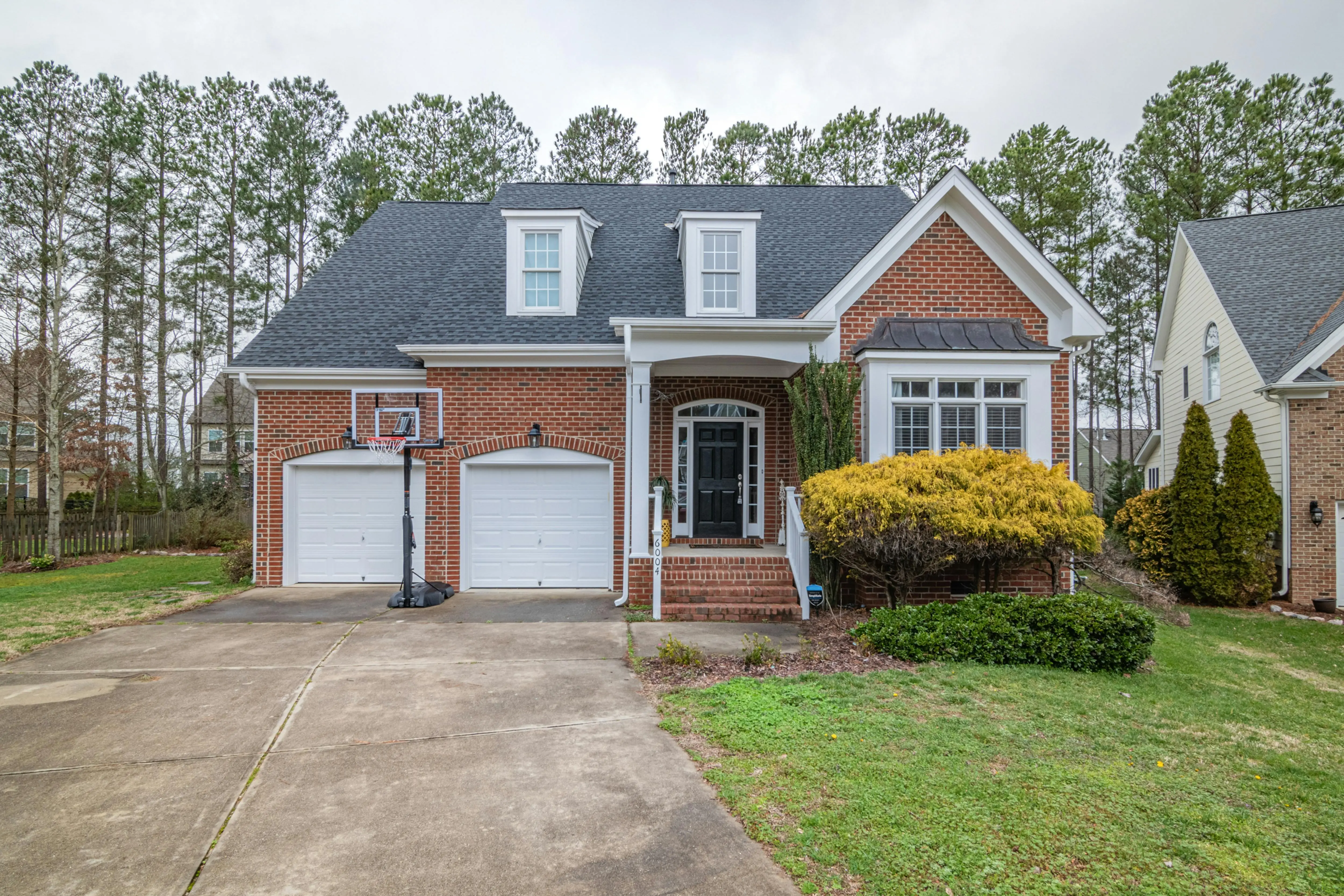
Why Driveway Lighting Matters More Than You Think
A well-lit driveway does far more than look pretty. It guides guests safely to your door, deters intruders, and protects your vehicles from accidental scrapes. According to the National Safety Council, poor lighting contributes to one-third of all nighttime slip-and-fall incidents around homes. Strategic driveway lighting can cut that risk dramatically while boosting curb appeal up to 20%—a perk buyers notice the moment they pull in for a showing.
Below you’ll find the most reliable fixture types, DIY-friendly installation tips, and real-world cost ranges so you can plan a project that fits your budget and lifestyle.
Popular Types of Driveway Lighting Explained
1. Path & Border Lights (Low-Voltage)
These 12–18-inch fixtures stake into soil or mount on short posts along the driveway edge. They cast a downward wash that defines the pavement without glare. Look for copper or powder-coated aluminum for longevity.
2. In-Ground Well Lights
Flush-mounted brass or PVC housings sit level with the driveway surface, perfect for curved drives or areas a snowplow passes. A tempered glass lens and sealed gasket keep water and de-icing salts out. Beam angles range from 30° (narrow) to 120° (wide).
3. Post or Pier-Mount Lanterns
Place on stone piers at the entrance for a grand look. Match fixture height to one-quarter of the driveway width—too tall and they’ll overpower, too short and they disappear. Go LED to avoid frequent bulb changes atop an 8-foot post.
4. Motion-Sensor Floodlights
Mount under the eave or on a garage wall to flood the apron when a car or person enters. Choose adjustable dual-bulb models (aim one toward the street, one toward the garage) and set the detection zone no farther than the sidewalk to avoid nuisance trips from passing pets.
5. Solar Bollards
No wiring needed—ideal for long rural drives. Modern lithium-ion batteries last 6–8 hours even after a cloudy day. Spacing sweet spot: 6–8 feet apart for a continuous glow. Note: performance drops under heavy tree canopy; supplement with low-voltage if needed.
6. Smart Color-Changing LEDs
Wi-Fi or Bluetooth fixtures let you switch from warm-white for everyday use to festive colors for holidays. Most work with Alexa or Google routines (“Turn driveway lights on at sunset”). Ensure the transformer has a 10% wattage buffer above total fixture load.
Planning Your Layout: Spacing, Brightness & Safety Codes
Measure First, Buy Later
- Walk the driveway at dusk and mark dark spots where you struggle to see the edge.
- Note existing 120 V outlets; the closer you are, the lower the install cost.
- Call 811 for free utility marking—gas and cable lines often run parallel to driveways.
Spacing Guidelines
- Path lights: 8–10 ft on center for 2-foot-wide beams; 6 ft for narrow 18-inch beams.
- In-ground up-lights: 4–5 ft away from pavement edge to avoid tire scuff.
- Floodlights: Mount 9–10 ft high; overlap coverage zones by 50% to eliminate dark pockets.
How Many Lumens Do You Need?
A practical rule is 50–75 lumens per fixture for accent lighting and 150–200 lumens for task or security zones near the garage door. Over-lighting wastes energy and creates glare that actually reduces visibility.
Local Code Check
Many towns now enforce “dark-sky” ordinances—fixtures must be full-cutoff (no light above 90°). Check your municipal website before ordering decorative lanterns that shine upward.
Installation: DIY vs. Pro
Low-Voltage Systems (DIY-Friendly)
12 V systems plug into a standard GFCI outlet and use simple snap connectors. You can trench as shallow as 6 inches—just below sod roots—so a flat spade is the only digging tool required. Pro tip: run cable through PVC conduit where it crosses under the driveway apron; future repairs won’t require breaking concrete.
Line-Voltage Hardwired (Hire an Electrician)
120 V fixtures need burial 18 inches deep in Schedule 80 conduit and a permit inspection. Costs jump because of trenching, breaker space, and weather-rated junction boxes. Reserve this route for applications above 300 W total or where you already have an outdoor sub-panel.
Step-by-Step for a Basic Low-Voltage Kit
- Place fixtures, then connect cable in a loop (not a straight line) to reduce voltage drop.
- Install the transformer on an exterior wall within 3 ft of the outlet; mount 12 inches above grade.
- Insert the photocell or set the timer; test before back-filling so you can adjust tilt.
- Bury cable, tamp soil, and add mulch or decorative stone to protect wire from UV.
Common Pitfalls
- Overloading the transformer—add up wattage and leave 10% headroom.
- Using indoor-rated extension cords outside (a code violation and fire risk).
- Aiming lights toward the street—glare annoys drivers and may violate ordinances.
Real-World Cost Breakdown
Prices below include fixtures, cable, and basic hardware. Labor is extra unless noted.
Budget Tier: Solar LED Bollards (DIY)
- 6 premium solar bollards @ $45 each: $270
- Tube of construction adhesive for bases: $12
- Total: ~$280
Expect 2–3 years of battery life; replacements run $8–$10 each.
Mid-Range: Low-Voltage Path Kit (DIY)
- 10 brass path lights @ $60: $600
- 200 W transformer with photocell: $150
- 100 ft 12-gauge cable & connectors: $80
- Total: ~$830
High-End: In-Ground & Post Lantern Combo (Pro Install)
- 8 in-ground well lights @ $140: $1,120
- 2 pier-mount lanterns @ $350: $700
- 300 W stainless transformer: $220
- Professional labor & trenching: $1,600
- Permit & inspection: $150
- Total: ~$3,790
Hidden Extras to Budget For
- Replacement LED bulbs (every 8–10 years): $8–$15 each
- Annual transformer electricity: ~$15 for 200 W running 6 hrs/night
- Winterization service in snow regions: $75–$100
Maintenance & Seasonal Care
Spring Checklist
- Clean lenses with non-ammonia glass spray; built-up pollen cuts light output by 30%.
- Inspect low-voltage cable for rodent chew marks—common after a snowy winter.
- Re-level any fixtures frost-heaved out of alignment.
Fall Prep
- Switch photocell timer to account for earlier sunset.
- Stake temporary reflector rods next to in-ground lights so snowplows see them.
- Tighten screw caps on well lights; trapped moisture freezes and cracks lenses.
Upgrading to Smart Controls
Add a Wi-Fi relay module ($40) between transformer and outlet to gain app scheduling and voice control—no need to replace existing fixtures.
Frequently Asked Questions
Quality integrated LEDs are rated 30,000–50,000 hours. Running 6 hours nightly, that’s 13–22 years. Replaceable LED bulbs last about 15,000 hours. Choose fixtures with a 5-year warranty to ensure support if an early failure occurs.