
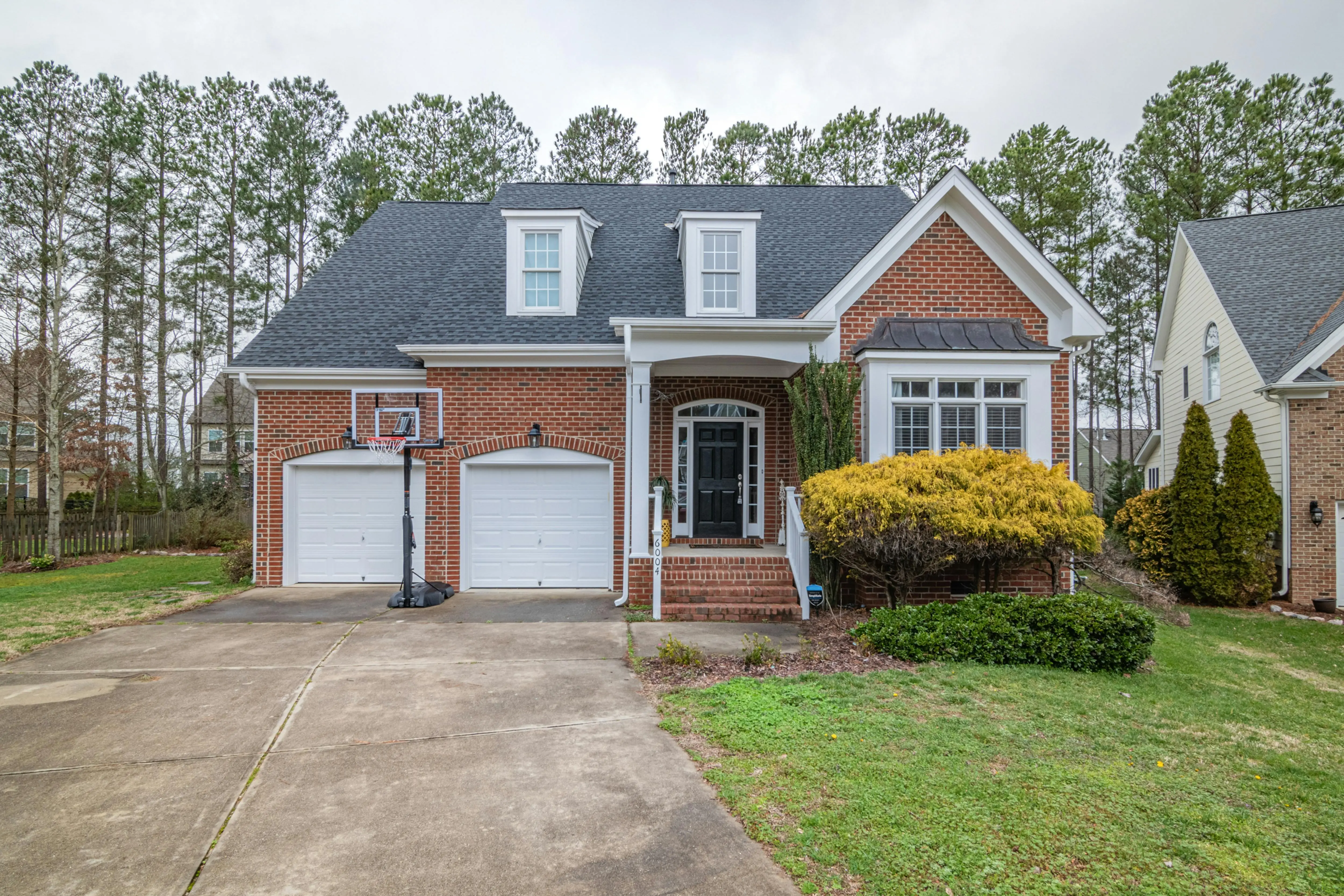
What Is Driveway Leveling and Why It Matters
A level driveway isn’t just about curb appeal—it’s the first line of defense against tripping hazards, pooling water, and costly foundation repairs. Driveway leveling is the process of restoring a smooth, even plane to sunken or heaved sections of concrete, asphalt, or pavers without necessarily tearing everything out. When done early, it adds years of life to the surface and saves homeowners thousands in full-replacement costs.
7 Clear Signs Your Driveway Needs Leveling NOW
Small dips and ridges worsen fast under the weight of cars, snowplows, and summer heat. Watch for these red flags:
- Water puddles that linger more than 24 hours
- Visible cracks wider than ¼ inch
- One side of the slab sits ½ inch or more below the other
- Rocking or hollow sound when you drive over a panel
- Doors scraping the driveway or garage floor
- Weeds growing through separated joints
- Trip hazards flagged by delivery drivers or neighbors
Spot two or more? Schedule a leveling estimate before freeze-thaw cycles turn minor settlement into major fracture.
What Makes a Driveway Sink or Heave?
Poor Soil Compaction
Many driveways are poured on backfill that wasn’t compacted in thin lifts. Over 3–5 years the soil consolidates, creating voids beneath the slab.
Water Erosion
Downspouts dumping next to the edge, broken pipes, or sloping flower beds wash out supporting soil. Clay soils hold water and expand, then shrink, leaving gaps.
Tree Roots
A mature oak 20 ft away can still push up sections of concrete. Conversely, removed stumps rot and leave sinkholes.
Heavy Loads
RVs, dumpsters, or contractor trucks exceed the designed PSI, cracking panels and accelerating settlement.
3 Proven Driveway Leveling Methods
1. Mudjacking (Slab Jacking)
A cement slurry is hydraulically pumped under the slab, filling voids and raising the panel. Ideal for large concrete areas, cures in 24–48 hrs.
- Cost: $3–$6 per sq ft
- Lifespan: 5–10 years
- Best for: 4–6 inch thick unreinforced concrete
2. Polyurethane Foam Injection
High-density expanding foam is injected through penny-size holes. Lightweight, water-resistant, and cures in 15 minutes.
- Cost: $5–$10 per sq ft
- Lifespan: 10+ years
- Best for: Decorative stamped concrete, areas needing fast turnaround
3>Stone Slurry Grouting (Hybrid)
Combines crushed limestone with Portland cement for a flowable yet structural fill. Good for filling deeper voids without adding much weight.
DIY Driveway Leveling: What You Can and Can’t Do
Safe Weekend Projects
- Fill hairline cracks with polyurethane sealant ($15 tube)
- Re-level individual pavers by lifting, adding bedding sand, and tamping
- Seal joints to prevent water intrusion
Leave These to the Pros
- Panels sunk >1 inch—requires pump equipment
- Heaved sections caused by roots—need precise cutting and root barrier
- Attached slabs (garage apron) that affect foundation
Bottom line: Rental “mudjacking” kits sold online rarely exceed 50 psi; pros operate at 100–200 psi for lasting lift.
Driveway Leveling Costs in 2024
National averages for a standard two-car driveway (600 sq ft) with 2–3 sunken panels:
- Mudjacking: $900–$1,200
- Poly foam: $1,500–$2,400
- Full replacement: $4,500–$7,000
Price factors:
- Accessibility (fences, steep grade)
- Thickness of slab
- Extent of void (measured with ground-penetrating radar)
- Seasonal demand (spring freeze-thaw rush)
Request itemized quotes that list PSI of material, warranty length, and patch color match.
Preparing for a Professional Leveling Visit
48 Hours Before
- Mark sprinkler heads and underground dog fences
- Move vehicles and portable basketball hoops
- Trim grass along edges so crews can drill flush
Day Of
- Keep kids and pets inside— hoses under pressure can whip
- Provide water access for mixing slurry
- Have a decision maker home to approve final lift height
Aftercare: How to Protect Your Investment
Curing times vary: poly foam 15 min, mudjacking 24–48 hrs. Wait the full window before driving on repaired sections.
Seal the Deal
Apply a breathable silane-siloxane sealer every 3–5 years to block chlorides and water.
Redirect Water
Add downspout extensions 6 ft away and install a 2% slope swale along the side to keep runoff from undermining soil.
Limit Loads
Store the camper on thick plywood pads or move it seasonally to spread weight.
Hiring the Right Driveway Leveling Contractor
- Verify Insurance: Ask for COI showing general liability and workers comp.
- Check Reviews: Look at Google, BBB, and local Facebook groups for before/after photos.
- Compare Warranties: Foam outfits often give 5–10 years; mudjacking 2–5 years.
- Get a Site Test: Reputable firms drill a ⅜ inch probe to measure void depth before quoting.
Avoid door-to-door “leftover foam” scams—legitimate crews don’t need to cold-call.
Frequently Asked Questions About Driveway Leveling
Polyurethane foam lifting typically lasts 10+ years because the material is waterproof and inert. Mudjacking slurry can last 5–10 years depending on soil moisture and traffic. Addressing drainage issues can extend either lifespan by decades.
Standard mudjacking or foam is designed for rigid slabs. For asphalt, pros use infrared heating to re-soften the surface, add fresh asphalt, and compact. Severely alligared asphalt usually needs patch or overlay instead of lifting.
Generally, settlement is considered maintenance and excluded. If a covered peril like a broken water pipe caused the void, your insurer may reimburse the lifting cost after you meet the deductible. Document with photos and plumber invoices.