
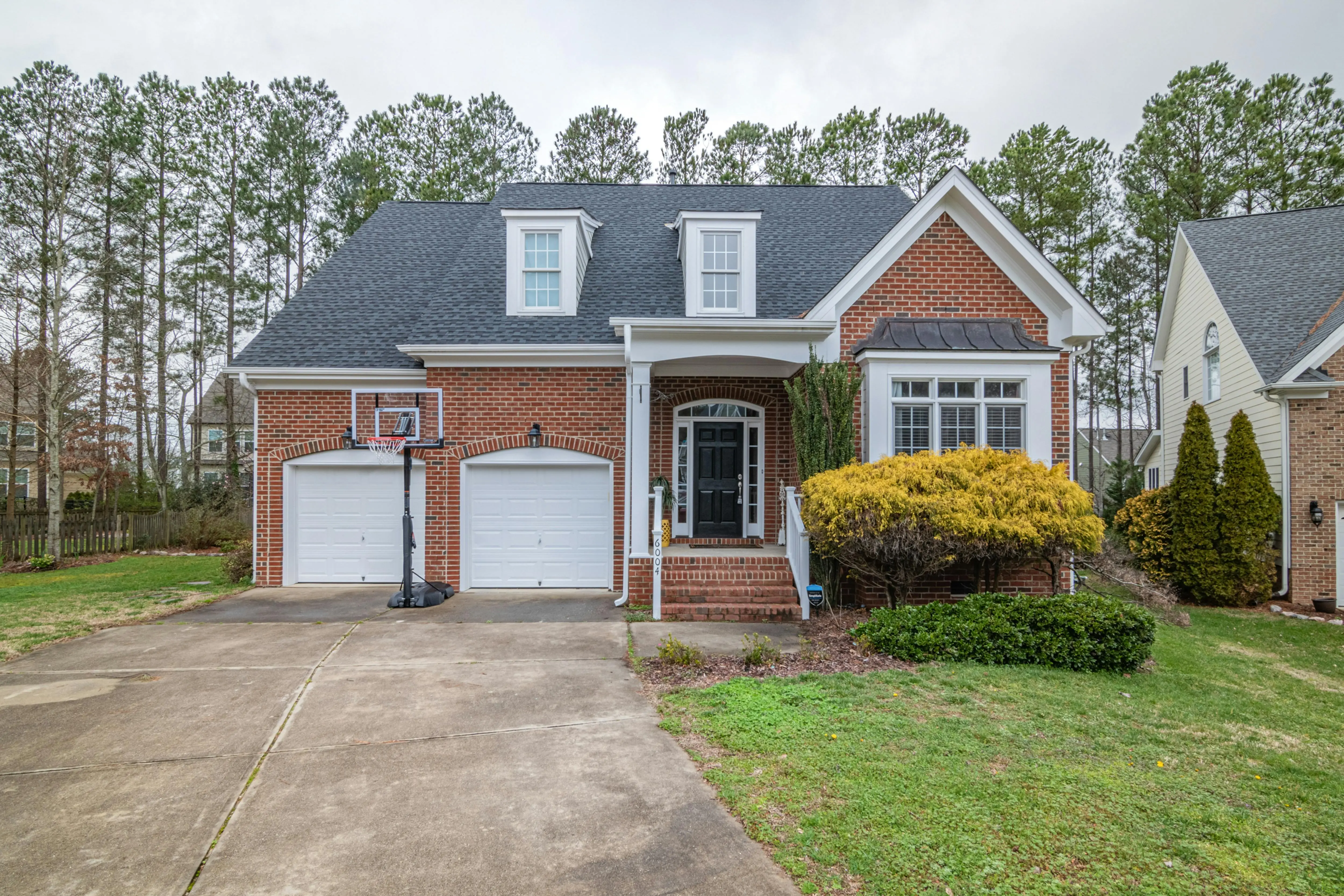
What Is a Driveway Latent Defect?
A driveway latent defect is a hidden flaw that does not show up during the first weeks—or even months—after installation. Unlike obvious problems such as large cracks or potholes, latent defects lie beneath the surface and emerge only after weather, traffic, or time expose them. Think of them as “sleeper” issues: the driveway looks perfect on day one, yet expensive repairs are already brewing underneath.
Homeowners who understand these defects save thousands in surprise repairs and protect their property value. Below, we explain the science, the warning signs, and the practical steps you can take today to detect, prevent, or fix a driveway latent defect before it drains your wallet.
Seven Common Driveway Latent Defects Homeowners Miss
1. Sub-Grade Settlement
The soil beneath your driveway was never compacted to the proper density. Over the first year the ground shifts, creating a void. The slab or asphalt flexes, then cracks. Early clue: a faint “hollow” sound when you tap the surface with a broom handle.
2. Poor Aggregate Distribution
If the stone mix is not consistent, weak zones form. Water enters, freezes, and pops out small pieces (spalling). By year two you see random pitting that looks like bird-shot damage.
3. Early-Stage Alkali–Silica Reaction (ASR)
A chemical reaction between certain aggregates and cement alkalis creates a gel that swells when moisture is present. Hairline map cracking appears 12-36 months later. Because the cracks are tight, many homeowners seal-coat over them, trapping moisture and accelerating damage.
4. Entrapped Water Pockets (“Porosity Bombs”)
During placement, air and water can be encapsulated beneath a seemingly smooth finish. Seasonal temperature swings expand these pockets until the surface “blisters” or delaminates in small saucer-shaped flakes.
5. Invisible Fiber Clumps
Modern concrete often contains micro-polypropylene fibers to control shrinkage. If the fibers ball up during mixing, they create weak zones with no bonding. A year later you notice isolated linear cracks that perfectly align with the fiber clump underneath.
6. Asphalt Binder Oxidation Hot-Spots
If the liquid asphalt was overheated at the plant, certain molecular bonds break early. The pavement gray’s and hardens faster in random squares, leading to “alligator” cracking long before the rest of the driveway.
7. Underground Watercourse Erosion
A buried downspout or broken sprinkler line washes soil away beneath the slab. The first sign is a subtle dip near the garage—often dismissed as “normal settling.” Five years later you need a full tear-out.
Early Warning Signs You Can Spot Yourself
- White chalky streaks that return after rain—possible alkali leaching.
- Hairline cracks wider at one end—indicates ongoing settlement.
- Water puddles that never appeared before—suggests subsurface void.
- Hollow drum-like sound when you bounce a golf ball across the slab.
- Edges that “feather” or crumble under a screwdriver pick test.
Tip: Photograph your driveway every season. Latent defects reveal themselves through change over time; a dated photo sequence is powerful evidence if you need to file a warranty claim.
Quick DIY Tests Before You Call a Pro
The Plastic Sheet Test (Moisture Entrapment)
tape a 2 ft × 2 ft piece of clear plastic to the surface on a warm day. Seal all four edges. After 24 h, check the underside. Beads of water or a cloudy film indicate excessive vapor movement—a precursor to spalling or ASR.
Chalk-Line Drop Test (Structural Deflection)
Stretch a chalk line across any suspicious dip. Measure the gap at center with a ruler. A ¼-inch dip over a 10-ft span means the slab has lost support underneath—classic latent settlement.
Screwdriver Pick Test (Surface Integrity)
Gently drag a flat-head screwdriver across an inconspicuous spot. If aggregate pops out easily or the surface powders, the cement paste is deteriorating ahead of schedule.
When to Bring in a Professional
Schedule an inspection if:
- Any DIY test gives a positive result.
- Cracks run parallel to the garage floor or across expansion joints.
- You plan to sell within two years—disclosure laws can come back to bite you.
Qualified contractors use ground-penetrating radar (GPR) and ultrasonic tomography to map voids without coring. Expect to pay $250–$400 for a full latent-defect survey on an average two-car driveway. The report doubles as evidence for warranty or insurance claims.
Repair Options: From Patching to Full Rebuild
Partial Slab Stabilization (Foam or Slurry Jacking)
Best for settlement voids smaller than 25 sq ft. Polyurethane foam is injected through ⅜-inch holes; it expands and lifts the slab while filling the cavity. Typical cost: $12–$18 per sq ft. Cure time: 30 min.
Full-Depth Patch for Localized ASR
Cut out the affected section, remove 2 inches of substrate, and replace with low-alkali concrete plus a lithium-based admixture to halt the reaction. Overlaying without removal guarantees the gel will keep growing underneath.
Complete Removal and Re-Install
If more than 25 % of the surface shows latent defects, patching becomes a game of whack-a-mole. A new install with proper compaction, vapor barrier, and joint layout is cheaper long-term. Request a 5-year latent-defect warranty written into the contract.
Prevention Checklist for New Driveways
- Insist on a 96 % Proctor density sub-grade compaction test report.
- Require 4500-psi concrete with 5–7 % air entrainment for freeze zones.
- Add vapor retarder (0.15 mil) under all slabs, even in warm climates.
- Specify isolation joints every 12 ft and around all fixed structures.
- Photograph each construction phase—soil, base, steel, pour. Contractors behave when they know you’re documenting.
Warranty & Insurance: Who Pays for a Latent Defect?
Most state statutes allow 2–10 years for latent construction defects, but driveway contractors often limit written warranties to 12 months. Negotiate a 2-year latent-defect rider before you sign. Keep all maintenance receipts; insurers may deny a claim if you cannot prove you sealed cracks promptly.
Homeowner policies usually exclude “settling, cracking, or bulging” unless caused by a covered peril such as a water-main break. A dedicated service-line endorsement ($30–$50 per year) can cover erosion from broken pipes underneath.
Cost Snapshot (National Averages, 2024)
| Service | Cost per Sq Ft | Notes |
|---|---|---|
| Latent-defect inspection | $0.75 – $1.00 | Min $250 |
| Polyurethane foam jacking | $12 – $18 | 5-year warranty |
| Full-depth patch | $28 – $35 | Includes disposal |
| Complete tear-out & replace (concrete) | $10 – $16 | 4-inch thick, 3500-psi |
| Complete tear-out & replace (asphalt) | $4 – $7 | 2-inch overlay after base fix |
Factor in an extra 10 % for haul-off if hazardous material (ASR gel-contaminated concrete) is discovered.
Frequently Asked Questions About Driveway Latent Defects
Most show up between 12 and 36 months, although some—like alkali–silica reaction—can take five years to become visible. Seasonal freeze-thaw cycles and heavy vehicle traffic accelerate the timeline.
Seal-coating only masks the symptom. In the case of ASR or moisture entrapment, trapping vapor can actually speed up deterioration. Always diagnose the root cause before applying any topical product.
Yes, but most states require disclosure of known structural defects. A pre-listing inspection report and repair estimate prevent last-minute buyer negotiations. Some sellers offer a repair credit at closing.
When performed on stable soil it lasts decades. If the soil continues to wash away due to broken pipes or poor drainage, the void can return. Always fix the water source first, then stabilize the slab.