
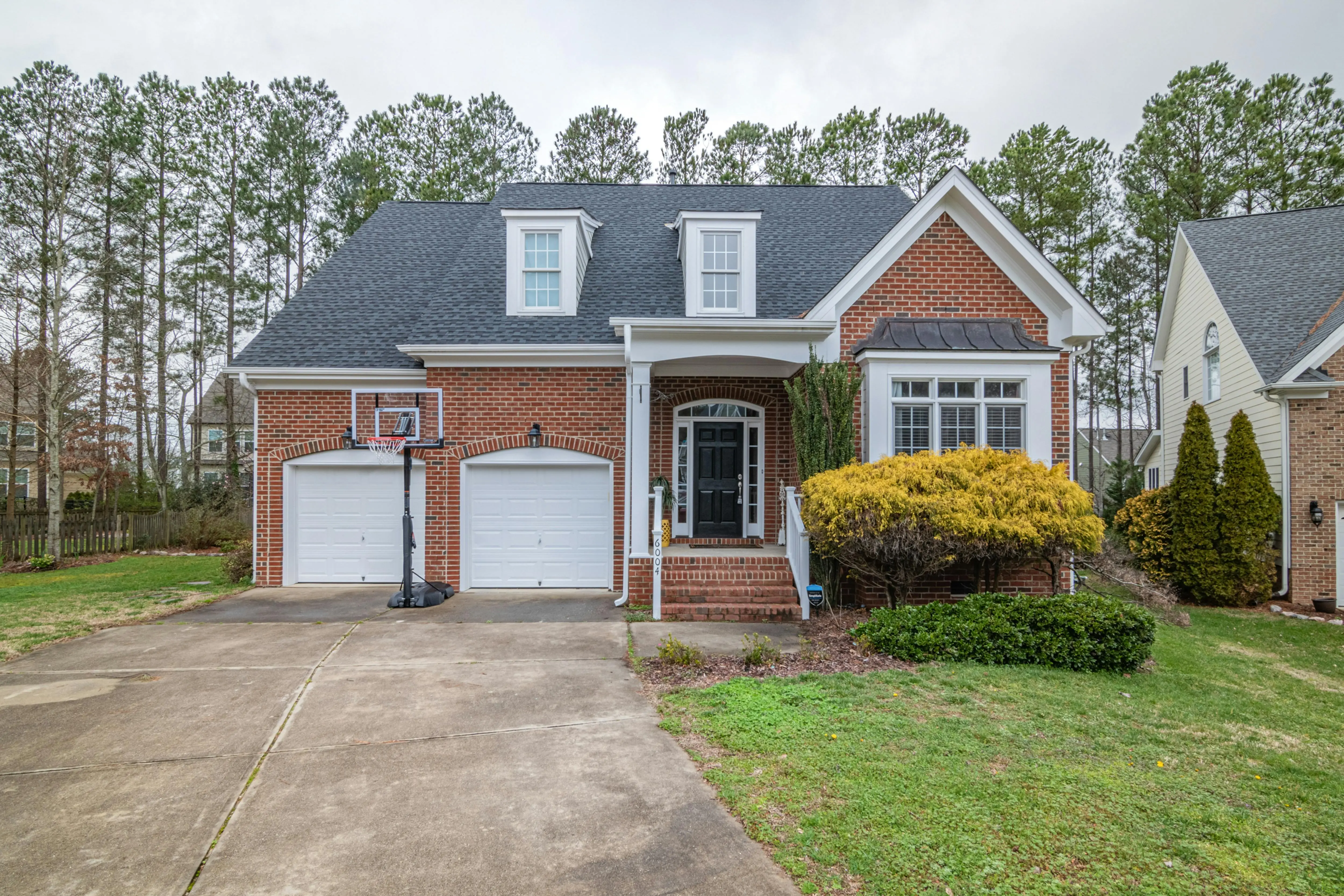
Installing a new driveway is one of the fastest ways to boost curb appeal and daily convenience—yet one skipped step can turn the project into a muddy, cracked mess. This driveway installation checklist walks you through every phase, from the first tape measure to the final seal coat, so nothing falls through the cracks.
Why a Driveway Installation Checklist Matters
A driveway isn’t just poured concrete or rolled asphalt. It’s a layered system engineered for drainage, load-bearing, and climate. Missing a single item—like a gravel base that’s two inches too thin—can cut the life of your driveway in half. A checklist keeps contractors accountable, permits on track, and your budget intact.
Phase 1: Pre-Planning & Design
Measure Twice, Drive Once
Use a 100-ft tape measure and stakes to outline the exact path. Record width (typically 10–12 ft for single car, 20–24 ft for double), length, and any curves. Snap a chalk line on the grass so you can visualize it for a week; move the line if tire swing radius feels tight.
Choose the Right Material
- Asphalt: Budget-friendly, flexible in freeze-thaw zones, needs sealcoating every 3–5 years.
- Concrete: 30-year lifespan, endless color/stamp options, higher upfront cost.
- Pavers: DIY-friendly repairs, premium look, highest material price.
- Gravel: Best for long rural lanes, excellent drainage, requires periodic re-grading.
Check Zoning & HOA Rules
Call your city planning office; many require a setback from property lines (often 5 ft) and restrict impervious surface ratios. HOA covenants may ban certain colors or mandate stamped borders. Get approval in writing—verbal “okay” won’t hold if a neighbor complains.
Call 811 Before You Dig
Submit a free ticket at call811.com at least 72 hours before breaking ground. Utility locators will mark gas, water, and fiber lines. Take photos; if a contractor hits an unmarked line, you’ll need proof to avoid repair bills.
Phase 2: Drainage & Soil Prep
Conduct a Perc Test
Dig a 12-inch hole and fill it with water. If it drains slower than 1 inch per hour, plan an underground perforated pipe (French drain) or crown the driveway ¼ inch per foot to shed water.
Remove Organic Topsoil
Strip 6–10 inches of topsoil—roots and loam turn into spongy voids later. Stockpile it for flowerbeds instead of paying disposal fees.
Install Geotextile Fabric
Lay woven geotextile on the exposed sub-grade. It prevents gravel from migrating into clay and adds tensile strength, doubling pavement life in soggy climates.
Phase 3: Base Layer & Compaction
Select the Correct Aggregate
Use ¾-inch crushed stone with fines (road base) for the first 4 inches—the angular edges interlock. Top with 2 inches of ½-inch clean stone for smooth grading.
Compact in Lifts
Rent a plate compactor (around $80/day). Add 3-inch lifts, spray lightly to reach optimum moisture (grab a handful—if it holds shape but crumbles when poked, it’s perfect), and compact until you can’t push a screwdriver more than ½ inch into the surface.
Check Grade with a Laser Level
Target 1–2% slope away from garages (1–2 inches drop per 10 ft). A $40 rotary laser saves re-work; a 4-ft level taped to a 2×4 works in a pinch.
Phase 4: Edge Restraints & Forms
Concrete & Asphalt: Stake & Brace
Use 2×6 kiln-dried lumber for forms; bowed boards telegraph into the finished surface. Drive stakes every 3 ft and coat boards with motor oil so concrete doesn’t stick.
Pavers: Snap-Edge or Concrete Header
Install plastic edge restraints on a 12-inch fiberglass spike grid. For driveways holding trucks, pour a 6-inch concrete header beam instead.
Phase 5: Material-Specific Installation Tips
Asphalt Driveway Checklist
- Ensure base temp is >50 °F and rising.
- Request 2.5-inch compacted thickness (3-inch loose).
- Ask for ¾-inch top-coat (smaller aggregate) for a smoother ride.
- Roll edges with a 1-ton tandem roller; hand-tamp corners.
- Keep traffic off 24 hours minimum; 72 hours in summer heat.
Concrete Driveway Checklist
- Order 4,000 psi fiber-reinforced mix with 5–7% air entrainment for freeze zones.
- Place control joints every 8–10 ft using a hand groover while concrete is still wet.
- Install #3 rebar on 18-inch centers or 6×6 wire mesh on chairs—never lay mesh on the ground.
- Apply acrylic cure & seal immediately after final trowel; keep it moist for 7 days (sprinkle straw and plastic in hot weather).
Paver Driveway Checklist
- Spread 1-inch bedding sand—use electrical conduit as screed rails for perfect depth.
- Start from a 90° corner and work outward; maintain ⅛-inch joint lines.
- Cut edge pieces with a wet saw—hammer splits leave jagged edges.
- Run a plate compactor over the finished surface with rubber mat; sweep polymeric sand and vibrate again to lock joints.
Phase 6: Sealing & Protection
When to First Seal
- Asphalt: 60–90 days after install, when oils oxidize and surface turns from black to charcoal.
- Concrete: Wait 28 days; then apply penetrating silane-siloxane sealer that won’t darken color.
- Pavers: Seal immediately after polymeric sand sets (24 hours) to stabilize joint sand and enrich color.
Maintenance Schedule
Mark your calendar: asphalt every 3 years, concrete every 5–7 years, pavers every 5 years. Quick tip—pour a cup of water on the surface; if it darkens within 5 seconds, the sealer is worn and water is soaking in.
Smart Budgeting & Hidden Costs
Get Itemized Quotes
Demand line-items for: excavation, base, material, labor, sealing, and haul-off. Compare apples to apples; one bid may skip base compaction to appear cheaper.
Plan for 10% Overage
Curves, culvert pipes, and night lighting can add up. Keep a contingency fund so you don’t sacrifice base depth to save cash—penny-wise becomes pound-foolish when cracks appear.
Time-of-Year Savings
Book between October and March in southern states when crews are slower; negotiate 5–10% off. Avoid late spring in northern climates—high demand equals premium pricing.
Final Walkthrough Checklist
- ✓ Surface is uniform—no birdbaths (puddles deeper than ⅛ inch).
- ✓ Joints are straight and filled.
- ✓ Edges are compacted and angled 45° to prevent crumbling.
- ✓ Driveway entrance matches road height; no lip to catch a snowplow.
- ✓ Contractor provides written warranty (minimum 2 years on labor, 10 years on material defects).
- ✓ Obtain final lien waiver so suppliers can’t come after you if the contractor doesn’t pay bills.
Frequently Asked Questions
Keep cars off 24 hours and heavy trucks off 72 hours. In 90 °F summer heat, add an extra day; high temps soften fresh asphalt and can leave tire depressions.
Gravel and small paver patios are DIY-friendly, but asphalt and concrete require specialized equipment and fast crew coordination. One delayed truck can leave cold joints that crack within months. Leave hot-mix and ready-mix to pros; handle demo or sealing yourself if you want sweat equity.
Surface paste diluted with extra water during the pour, or winter salt applied too soon, causes “dusting.” Cure properly for 7 days and wait until the first spring before using de-icing salts. Use sand for traction instead.