
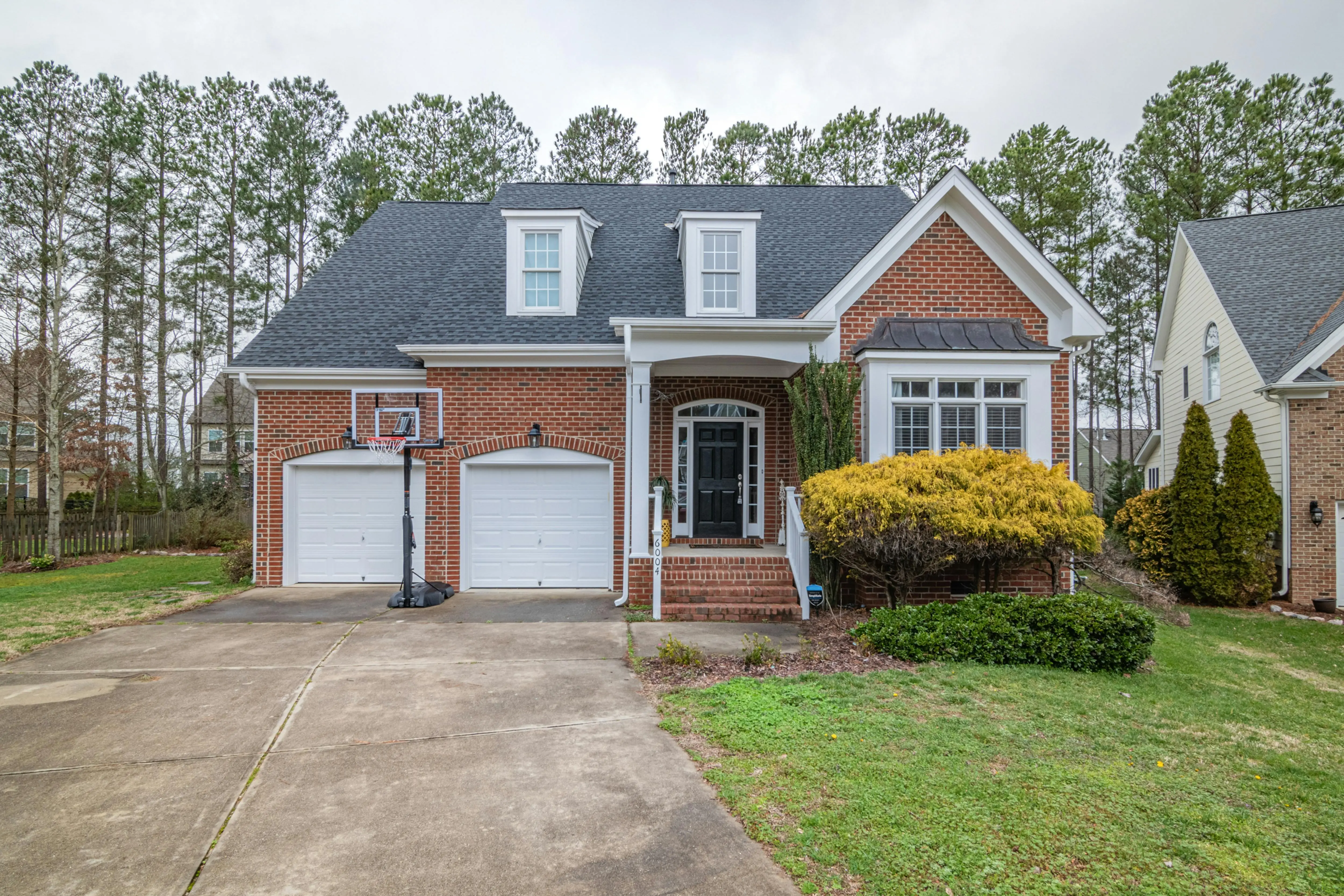
Why Every Homeowner Needs a Driveway Inspection Report Template
A driveway is the welcome mat to your biggest investment—your home. Yet most people only notice it when cracks spider across the surface or a pothole swallows a tire. A Driveway Inspection Report Template turns guesswork into a clear, professional game-plan you can hand to contractors, insurance adjusters, or future buyers. Think of it as a home inspection, but laser-focused on the 600-square-foot patch you park on every day.
Below you’ll find a fill-in-the-blanks template, step-by-step photo guide, and insider tips from Drivewayz USA’s certified inspectors. Download, print, or copy into your phone—then walk your driveway like a pro in under 30 minutes.
Free Driveway Inspection Report Template (Copy & Paste)
Copy the text block below into any word processor. Replace bracketed prompts with your findings. Snap a photo of each defect and paste it next to the note; the visual becomes part of the report.
1. Header & General Info
Date: ____________
Time: ____________ (Morning photos show shadows best)
Weather last 24 h: ____________ (Affects surface moisture)
Address: ____________
Inspector: ____________ (Your name or contractor’s)
Driveway age (approx.): ____________
Last seal coat: ____________
Vehicle load (cars, trucks, RV): ____________
2. Surface Condition Grid
Divide the driveway into 4 equal quadrants. Rate each defect 1–5 (1 = hairline, 5 = structural). Add photo numbers for proof.
Quadrant | Alligator Cracks | Potholes | Raveling | Oil Stains | Photo #
NW       | Score ___        | ___      | ___      | ___        | IMG_01
NE       | Score ___        | ___      | ___      | ___        | IMG_02
SW       | Score ___        | ___      | ___      | ___        | IMG_03
SE       | Score ___        | ___      | ___      | ___        | IMG_04
3. Drainage & Grade
- Water standing longer than 24 h? Y / N
- Lowest point: ____________ (mark with chalk)
- Gutter slope % (phone level app): ____ %
- Runoff toward foundation? Y / N
4. Expansion Joints & Edges
- Joint filler missing > ½ in: ___ ft
- Edge raveling > 2 in width: ___ ft
- Adjacent sidewalk lifted > ½ in: Y / N
5. Safety & ADA Check
- Heave or trip hazard > ¼ in: ___ locations
- Crack width > ½ in: ___ locations
- Visual obstruction (weeds, settling): ___
6. Inspector Summary & Next Steps
Priority 1 (immediate): ______________________
Priority 2 (within 6 mo): ____________________
Priority 3 (monitor yearly): _________________
Recommended service: Patch / Overlay / Replace / Seal
Est. budget range: $ ___ – $ ___
Contractor notes: __________________________
Step-by-Step Photo Inspection (15-Minute Walk-Through)
What You’ll Need
- Smartphone with GPS timestamp on
- Chalk or painter’s tape
- Measuring tape (or digital measuring wheel)
- Coin (quarter = 1 in reference)
- spray bottle with water (reveals hairline cracks)
1. Safety First
Start at the top of the drive, facing traffic. Wear bright clothing and keep kids/pets inside. If the slope is icy, reschedule—slips skew measurements.
2. Map the Driveway
Take a wide aerial shot from a second-story window or ladder. Print it, then draw the 4 quadrants. Number each so photos align with the template grid.
3. Mist & Mark
Lightly spray a 3-ft-wide strip. Water darkens cracks in seconds. Outline them with chalk and photograph with the quarter in frame for scale.
4. Measure, Don’t Guess
Crack width matters: under ¼ in is cosmetic; over ½ in admits water that freezes and expands. Log exact width and length—contractors price by linear foot.
5. Test the Pour Line
Asphalt driveways sometimes have “cold joints” where two truckloads meet. Tap with a screwdriver; if it sinks, the bond is weak. Note any hollow sound.
6. Finish with Drainage
Pour a 5-gallon bucket of water at the highest point. Watch the flow. If water pools against the garage or foundation, mark the spot—this is your costliest future repair.
Reading the Clues: What Each Defect Means
Alligator Cracking (Looks Like Reptile Skin)
Cause: Load fatigue + weak base. Fix: Full-depth patch or overlay. Seal-coating alone is a waste of money.
Transverse Cracks (Straight Across)
Cause: Temperature swings. Less than ½ in: rout and seal. Wider: investigate base.
Edge Break-Off
Cause: Lack of shoulder support or vehicle overhang. Add 6 in of compacted soil/rock plus edging.
Potholes in Spring
Cause: Freeze-thaw + water infiltration. Clean, apply tack coat, fill with hot mix—not bagged cold patch if you want it to last.
Shiny, Smooth Spots (Bleeding)
Cause: Too much asphalt cement in mix or over-sealing. Reduces skid resistance. Light sanding or overlay.
DIY vs. Professional Driveway Inspection
When DIY Is Enough
- Driveway < 10 years old
- No foundation or drainage issues
- Budget under $1 k planned
- You need quotes—contractors take you more seriously with a written report
When to Call a Certified Inspector
- Cracks wider than 1 in or vertical displacement > ½ in
- Brick or paver drive with settling patterns
- Home sale within 6 months (adds $2–5 k to resale value)
- Shared driveway—avoids neighbor disputes
Cost of Professional Inspection
National average: $150–$250 for a standard 2-car asphalt driveway. Add $50 for soil moisture probe or $100 for a written engineering stamp if litigation is possible. Drivewayz USA bundles the inspection fee into any repair contract over $1,500—essentially free if you move forward.
Digital Upgrades: Apps & Gadgets That Speed Things Up
Free Apps
- CrackMeter: Hold phone across crack, calibrates width in mm.
- Measure Map: Outline driveway; exports square footage to email.
- HomeGauge: Drop inspection photos into a PDF report branded with your address.
Under-$100 Tools
- Laser level (checks slope to 0.1 % accuracy)
- Infrared thermometer (hot spots reveal binder issues)
- USB endoscope (look inside cracks for voids)
Using the Report to Get Apples-to-Apples Quotes
- Send the same PDF to 3 contractors.
- Ask each to itemize: demo, base repair, surface, seal, disposal.
- Compare square footage—they must use your measured number.
- Reject any quote that says “included if needed.” Your report already defines “needed.”
- Negotiate extras (edge restrainers, apron tie-in) after base prices are locked.
Maintenance Calendar Based on Inspection Scores
Low Score (0–15): “Green” Driveway
- Seal-coat every 3 years
- Fill hairline cracks with rubberized filler yearly
- Budget $0.15 per sq ft annually
Medium Score (16–30): “Yellow” Driveway
- Schedule rout-and-seal within 6 months
- Patch potholes before next winter
- Budget $1–$2 per sq ft for spot repairs
High Score (31+): “Red” Driveway
- Request base stability probe
- Plan overlay or replace within 1 year
- Budget $3–$6 per sq ft (asphalt) or $8–$12 (concrete)
Frequently Asked Questions
Inspect once a year in early fall—before freeze-thaw cycles but after summer heat stress. Repeat after any major weather event (hail, flooding, heavy snowplow damage).
Yes. Swap “alligator cracking” for “spalling” on concrete, “settled joints” on pavers, and “washboarding” on gravel. The scoring system and photo log remain the same.
No. Tax assessors use overall neighborhood comps, not individual maintenance reports. In fact, documenting repairs proves upkeep, which can help during resale negotiations.
Scores above 40 usually indicate base failure. Patching is a short-term bandage. Request a core sample: if the gravel beneath is powdery or wet, full replacement is more cost-effective over 5 years.