
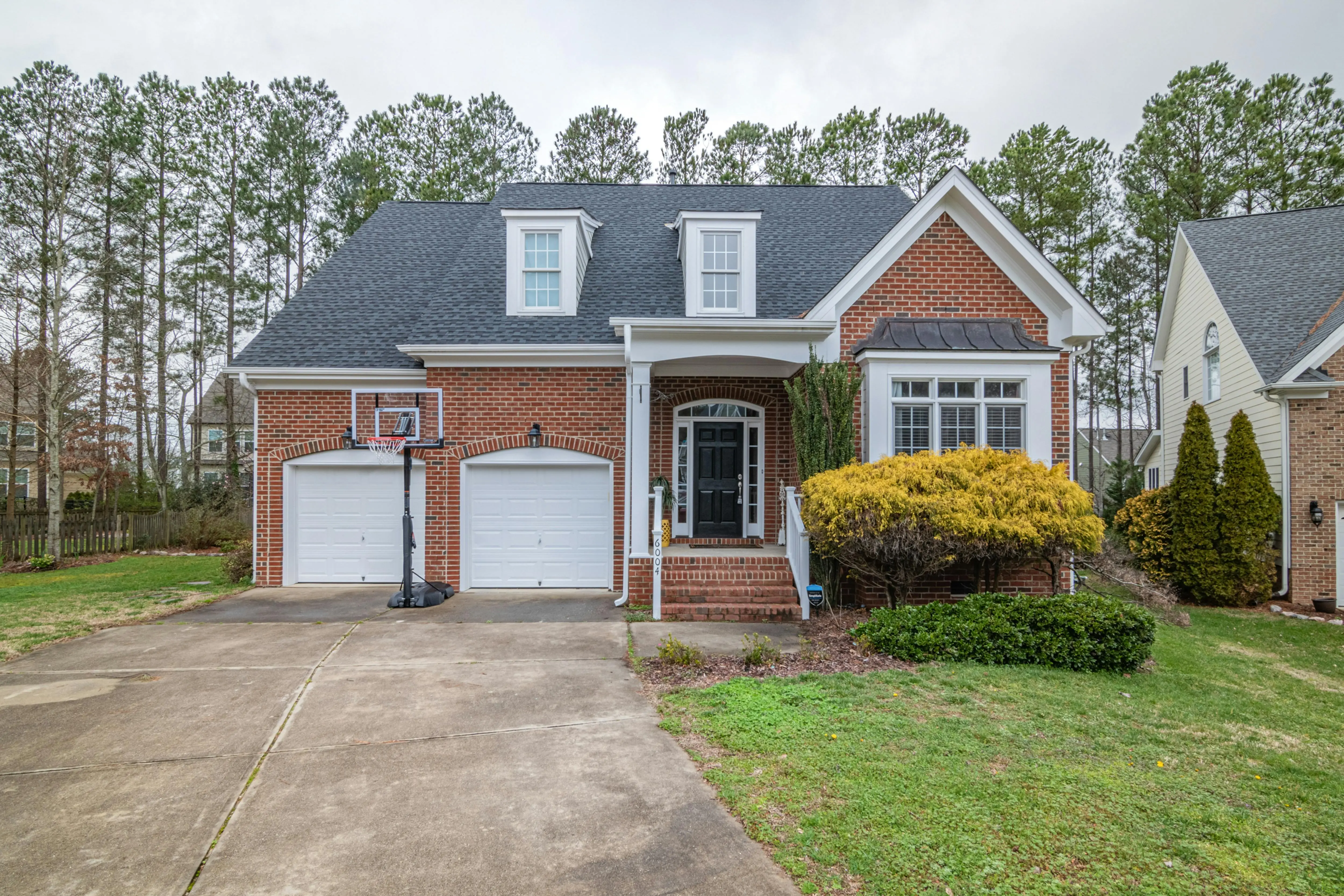
Why the Driveway Deserves a Close Look Before You Sign
A driveway is the red carpet to your future home. It handles daily traffic, heavy deliveries, and the occasional basketball game. Overlooking its condition during a home purchase can saddle you with thousands in surprise repairs. A focused Driveway Inspection During Home Purchase gives you negotiating power, budget clarity, and peace of mind.
The 90-Minute DIY Walk-Through
Schedule your visit for mid-morning when shadows are soft and cracks are easier to spot. Bring a notepad, tape measure, smartphone level app, and a golf ball. These simple tools will help you document issues that even some inspectors miss.
Surface Clues That Scream “Future Bill”
- Alligator cracks (interlaced, scale-like fissures) mean the base is shifting.
- Linear cracks wider than ¼ inch allow water under the slab; expect freeze-thaw damage in northern states.
- Potholes or spalling (flaky top layer) indicate poor drainage or de-icing salt abuse.
Snap dated photos next to a ruler or coin for scale. These shots become powerful attachments to repair-credit requests.
Drainage: The Silent Killer
Stand at the garage threshold during a light rain or run a hose for five minutes. Water should flow away from the house and disappear within 60 seconds. Puddles that linger longer than a minute predict sub-base erosion and winter ice patches. Note any soggy flower beds parallel to the driveway—they’re absorbing water that should be shedding off the pavement.
Grade & Clearance: Will Your Car Scrape?
Measure the approach angle where the driveway meets the street. Anything steeper than 14° can bottom-out sedans and complicate snow removal. Also check overhead: low-hanging tree limbs can drop sap and damage sealcoating every season.
Material-Specific Red Flags
Concrete Slabs
- Joint separation: Gaps wider than ½ inch at expansion joints let weeds sprout and slabs tilt.
- Surface dullness: A chalky finish means the previous owner skipped sealant; you’ll need to apply it within the first year.
- Discoloration rings: Dark concentric spots often hide oil that has already soaked inches deep—expensive to extract.
Asphalt (Blacktop)
- Fading to gray: UV rays have oxidized the oils; expect brittleness and raveling within 12–24 months without sealcoating.
- Rutting: Tire indentations deeper than ½ inch signal a weak base or overweight vehicle storage.
- Edges crumbling: Lack of a concrete curb or soil backfill lets asphalt chip away every time you drive off the side.
Interlocking Pavers
- Undulation: A golf ball should roll straight; wavy travel indicates settling that will worsen with each rainfall.
- Polymeric sand loss: Gaps between stones invite ants and weeds; re-sanding costs $1.50–$2.00 per sq ft.
- Chipped corners: More than 5% damage means you’ll be hunting matching pavers soon—discontinued styles can triple replacement cost.
Hidden Issues: What Lies Beneath
Base Layer Integrity
Tap a screwdriver handle every few feet. A hollow sound suggests voids below. Small drilled test holes (with seller permission) can reveal gravel depth; 4–6 inches of compacted aggregate is the minimum for passenger cars, 8–10 inches for SUVs or trucks.
Utility Lines & Easements
Call 811 or the local one-call center before you dig—even for a test hole. Driveways sometimes bury gas lines, irrigation, or secondary electrical runs. Repairs to these lines later can require cutting through fresh pavement.
Tree Root Intrusion
Look for raised ridges or cracks that align with nearby trunks. Roots thicker than 1 inch can lift slabs faster than frost. Removal and root barrier installation averages $300–$500 per root, plus new concrete afterward.
Seasonal & Climate Considerations
- Frost-heave zones: Inspect in early spring when damage peaks; previous owners may have masked cracks with filler that flexed out over winter.
- Desert Southwest: Check for surface crazing—tiny cracks that let in monsoon water, causing base washout.
- Coastal regions: Salt air oxidizes reinforcing steel inside concrete, causing rust streaks; budget for earlier replacement.
When to Bring in a Professional Driveway Inspector
If you record three or more of the major issues above, spend the $150–$250 for a certified pavement evaluator. They use ground-penetrating radar to map voids and measure base thickness without destruction. Their written report often pays for itself in seller credits.
Turning Findings into Negotiating Power
- Itemize repair quotes: Get two local driveway company estimates; Drivewayz USA and one other. Present both to show fairness.
- Request a repair credit, not a price drop: Lenders prefer credits because they don’t alter the appraisal.
- Set an escrow holdback: If the seller balks, suggest parking 1.5× the highest quote in escrow until work is completed post-close.
Ballpark Repair & Replacement Costs (2024 Averages)
| Issue | Concrete (per sq ft) | Asphalt (per sq ft) | Pavers (per sq ft) |
|---|---|---|---|
| Crack sealing | $2–$3 | $1–$2 | $3–$4 (re-sand & seal) |
| Section replacement | $8–$12 | $4–$7 | $12–$15 |
| Full removal & new | $10–$15 | $6–$10 | $14–$20 |
Prices include labor and disposal; regional fuel surcharges may apply.
Post-Purchase Maintenance Calendar
- Month 1: Seal cracks wider than ⅛ inch before the first freeze or heavy rain.
- Year 1: Apply penetrating sealant to concrete, coal-tar emulsion to asphalt, or polymeric sand stabilizer to pavers.
- Annually: Pressure-wash and inspect edges after the last snowmelt; touch up as needed.
- Every 5 years: Budget for a full reseal; schedule during off-season for 10–15% discounts.
Driveway Inspection During Home Purchase – FAQ
Not necessarily. Hairline surface cracks are common and cheap to seal. If you see deep alligator patterns, multiple potholes, or evidence of base failure, get quotes first. Often a $2,000–$4,000 credit is enough to fix the issue and still keep the overall deal attractive.