
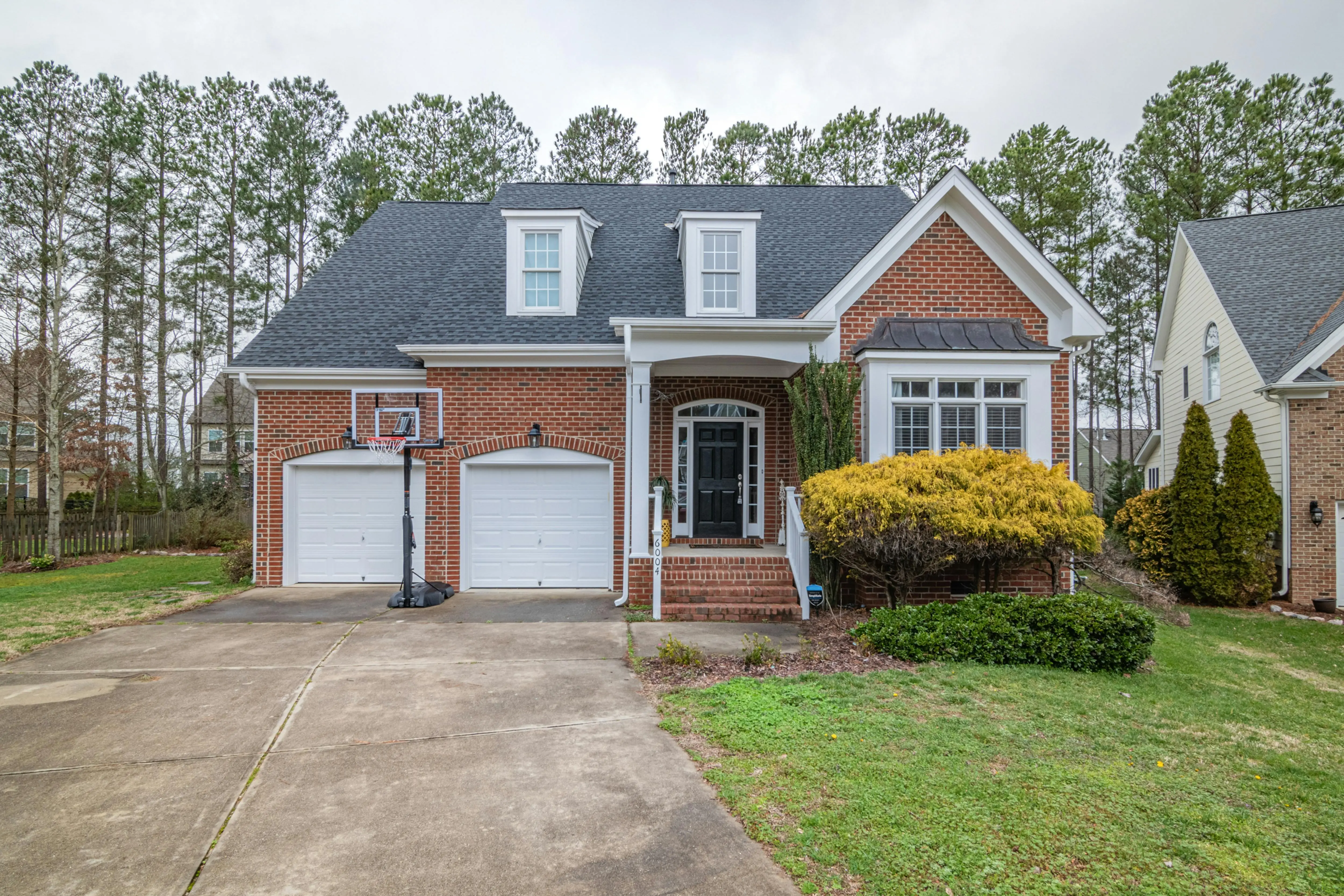
Why Driveway Gas Line Proximity Matters
Putting in a new driveway or widening an existing one feels exciting—until you remember the gas line running under the yard. Striking a buried pipeline is one of the fastest ways to turn a weekend project into a life-threatening emergency. Knowing the correct driveway gas line proximity keeps you compliant with local codes, protects your property value, and—most important—keeps your family safe.
Below you’ll find a plain-English guide to required setbacks, how to locate lines, and what to do if your dream driveway layout is too close for comfort.
Code Basics: How Close Can a Driveway Be to a Gas Line?
There is no single national number. Safety setbacks depend on four variables:
- Pipe material (steel, plastic, or composite)
- Operating pressure (low, medium, or high)
- Who owns the line (utility-owned main vs. customer-owned service)
- Local amendments to federal DOT or International Fuel Gas Code rules
That said, the following table is a reliable starting point for most U.S. jurisdictions:
| Line Type | Nominal Pressure | Min. Horizontal Setback* | Min. Vertical Clearance* |
|---|---|---|---|
| Utility main (plastic) | < 60 psi | 3 ft (1 m) | 2 ft (0.6 m) |
| Utility main (steel) | > 60 psi | 5 ft (1.5 m) | 3 ft (0.9 m) |
| Service line to house | < 10 psi | 1 ft (0.3 m) | 1 ft (0.3 m) |
*Always confirm with your local gas operator; some counties require 10 ft on high-pressure transmission lines.
What “Setback” Actually Means
Setback is measured from the outside edge of the pipe to the nearest point of the driveway structure—not the property line. That includes:
- Concrete or asphalt edge
- Compacted gravel base that extends beyond the visible surface
- Retaining walls or edge restraints tied to the pavement
Finding Gas Lines Before You Design
Step 1: Call 811 (One-Call) Early
Utility locators will mark public mains and service lines up to the meter—free of charge. Submit your ticket at least two business days before breaking ground.
Step 2: Hire a Private Locator for the Yard Side
After the meter, the pipe is yours. Private locating companies use ground-penetrating radar (GPR) and electromagnetic wands to trace customer-owned lines, old lamp lines, and abandoned pipes. Budget $300–$600 for an average residential lot.
Step 3: Hand-Dig Verification Potholes
Even the best locate can be off by 18–24 inches. Excavate small test holes next to any marked line that falls inside your driveway footprint. Soft-digging (vacuum excavation) costs about $75 per hole and prevents a $50,000 rupture repair bill.
Red-Flag Situations That Require Extra Distance
- Cathodically protected steel mains: Stray current from rebar can accelerate corrosion if concrete encroaches within 5 ft.
- High-pressure transmission lines (> 200 psi):strong> Federal code (49 CFR 192) mandates a 25-ft “controlled area” with no paved surface that could hinder first-responder access.
- Horizontal directional drill crossings: If your driveway includes a bore for electric or irrigation, maintain 2 ft vertical separation and install a sleeve.
- Slopes > 6:1: Any gas line under a driveway on a steep grade needs extra cover or concrete slope protection to prevent erosion exposure.
Your Driveway Is Too Close—Now What?
Option 1: Move the Driveway
Often the cheapest route. Shifting a proposed 12-ft wide drive by 2–3 ft can eliminate conflict and keep excavation costs low.
Option 2: Move or Lower the Gas Line
The utility may relocate its main at no cost if the driveway is deemed “unavoidable” and you agree to restore pavement afterward. Customer-owned service lines can be deepened to 24–30 inches for ±$15–$20 per linear foot.
Option 3: Install a Protective Slab or Sleeve
Some municipalities allow a gas line to run beneath a driveway if it’s placed inside a sealed steel or PVC sleeve and buried at least 24 inches below the sub-grade. You’ll need a stamped engineer’s letter and a post-install pressure test.
Option 4: Switch to Permeable Pavers
Permeable paver systems (grass-crete, resin-bound gravel) are considered “non-refusal” surfaces. Utilities sometimes waive standard setbacks because crews can remove a few bricks to reach the pipe.
Permits & Paperwork Checklist
- Submit scaled site plan showing gas line locate, proposed driveway edge, and setback dimensions.
- Include cross-section drawing indicating pipe depth and pavement structure thickness.
- Attach letter from gas operator confirming reviewed distances (some cities require this seal).
- Pay permit fee: $50–$150 residential, more if variance is requested.
- Schedule pre-pour inspection; many inspectors want to eyeball the line before concrete arrives.
Typical Costs for Common Fixes
| Scenario | Average Cost (USD) | Who Pays |
|---|---|---|
| 811 public locate | Free | Utility |
| Private locate (residential) | $300–$600 | Homeowner |
| Utility main relocation < 20 ft | $0–$3,000 | Utility/homeowner split |
| Customer service line lowering 50 ft | $750–$1,000 | Homeowner |
| Steel sleeve under driveway 20 ft | $500–$800 | Homeowner |
| Engineer stamped letter | $400–$700 | Homeowner |
DIY Safety Tips for Homeowners
- Never rely on old “as-built” sketches. Lines shift during landscaping projects.
- Use white spray paint to outline your driveway edge before the locator arrives; it speeds up the process and reduces errors.
- Keep heavy mix trucks off the dig zone. A fully loaded concrete truck exerts 40–50 psi on the soil—enough to crack a plastic main.
- Maintain 18 inches of compacted cover over any gas line that must stay under the driveway; add geotextile warning mesh above it.
Frequently Asked Questions
Only if the utility provides written confirmation that the line has been physically disconnected and purged. Many codes still treat “dead” steel mains as hazards because they can trap residual gas. Always request a “line abandonment letter” before paving.
If you called 811 and the utility locator provided incorrect marks, the utility typically pays for repairs. If you skipped 811, you are liable for all damages plus possible fines. Private lines (after the meter) are the homeowner’s responsibility—another reason to hire a private locator.
Yes. Even though gravel can be removed easily, the code still requires the same horizontal distance because vehicle weight and future paving are hard to predict. Some counties allow a 1-ft reduction for permeable surfaces, but you must get it in writing.
Minimum 24 inches of cover from finished grade to the top of the pipe—30 inches in northern freeze zones. If traffic exceeds 10,000 lb axle loads (RVs, delivery trucks), add a steel plate or concrete cap per engineer’s spec.