
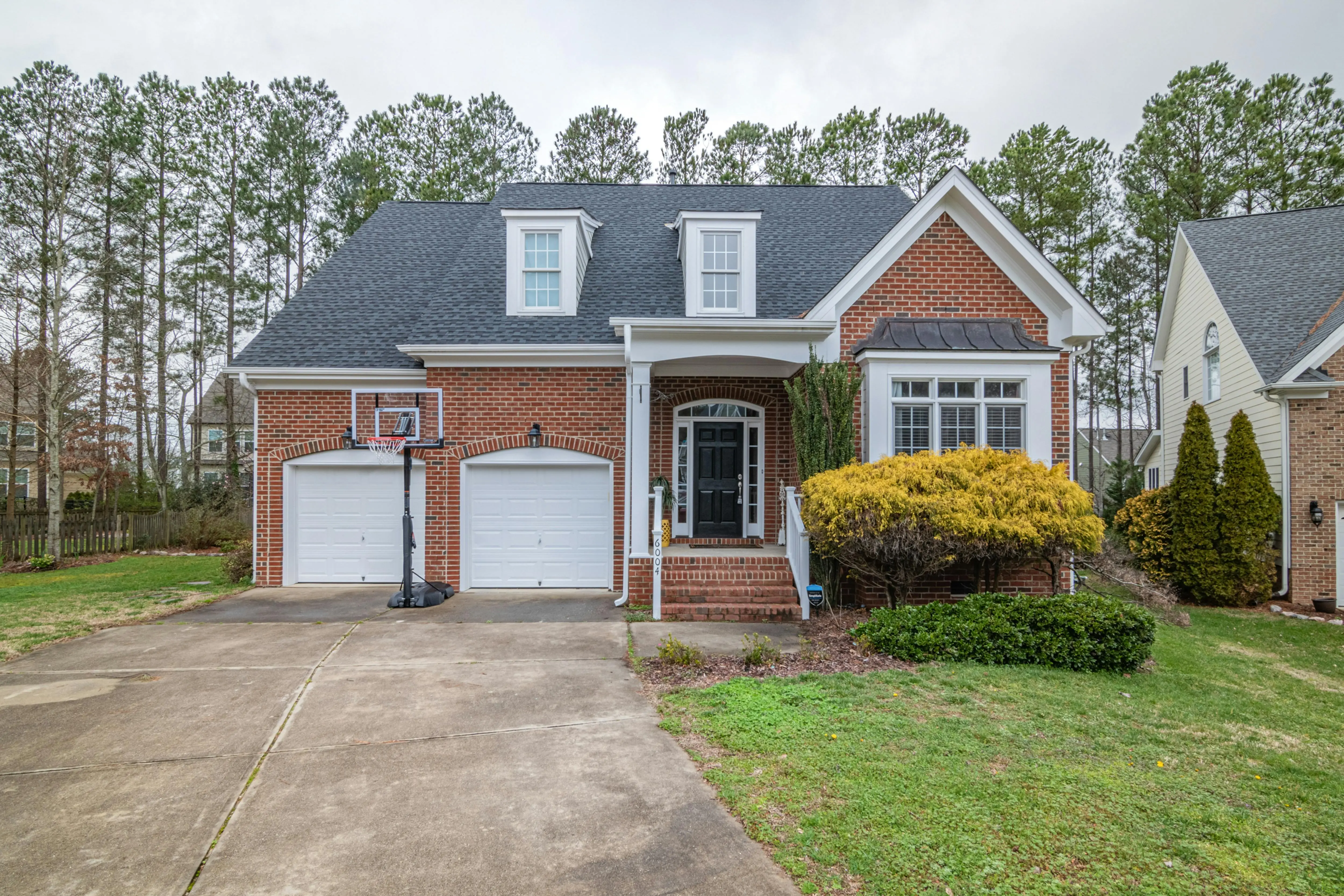
What Is Driveway Garden Adjacent Design?
Driveway Garden Adjacent Design is the deliberate planning of a driveway and the planting beds, lawn strips, or raised gardens that sit beside it. Instead of treating the two areas as separate projects, you plan them together so the hard surface and the soft landscape protect, complement, and even improve one another.
Done right, you get:
- A crack-free driveway edge that stays level for decades
- Healthy plants that never suffer from salt burn or oil drips
- Less runoff, lower water bills, and a cooler yard in summer
- Instant curb-appeal that appraisers notice
Why the First 24 Inches Decide Everything
The soil within two feet of a driveway handles 70 % more vehicle weight, chemical splash, and radiant heat than soil even six feet away. If you ignore that zone, you will fight:
- Edge crumbling where asphalt meets lawn
- Rutting in decorative gravel as tires push stone into soft soil
- Yellow evergreens from winter salt spray
- Weeds that creep from planting bed onto pavers
A simple buffer design prevents every one of these headaches.
Step-by-Step Planning Guide
1. Map the Water Path
Walk the site during a hard rain. Mark where runoff flows off the roof, down the driveway, and into the garden. Snap photos on your phone; they become the base layer for every later decision.
2. Choose the Driveway Type First
Your paving material dictates edge thickness, base depth, and joint spacing—data your plants will have to live with. A 4-inch reinforced concrete slab with saw-cut joints behaves differently than permeable pavers on open-graded stone.
3. Pick Plants That Can Take the Heat
Look for these traits:
- Salt tolerance (for northern climates)
- Low profile—under 24 in. so sight-lines stay clear
- Fibrous roots that knit soil, not taproots that lift concrete
- Minimal fruit or nut drop to avoid stains
Top performers: blue fescue, creeping phlox, daylily ‘Stella de Oro’, dwarf Russian sage, and creeping juniper.
Protective Edge Solutions That Actually Work
Concrete Mow Strip
A 12-in.-wide reinforced strip poured monolithically with the slab keeps lawn roots from crawling underneath and causing edge pop-ups. Broom-finish the top so it’s non-slip when you step out of the car.
Aluminum Edging with Root Barrier
For gravel driveways, lock the stone in place with 4-in. commercial-grade aluminum edging. Slide a 6-mil HDPE root barrier behind it to stop nearby tree roots from migrating into the gravel layer.
Steel Curb + Drainage Swale
On sloped lots, drop a ¼-in. thick steel ribbon curb 2 in. above pavement height. Behind it, carve a shallow swale 18 in. wide and 6 in. deep. Fill the swale with ¾-in. washed stone and top-dress with river rock. Water slows, spreads, and sinks instead of undercutting your garden soil.
Permeable Paver Bands: Best of Both Worlds
Alternate 3-ft-wide permeable paver bands with standard asphalt or concrete lanes. Runoff from the impermeable sections flows onto the permeable bands and infiltrates, cutting total runoff by up to 40 %. Plant low sedum or thyme in the joints; they thrive on the occasional oil drip and never need mowing.
Irrigation & Drainage Tweaks
Drip Bubblers on a Separate Zone
Put the driveway-adjacent planting bed on its own irrigation zone. Use pressure-compensating drip bubblers that deliver 1 gal/hr at the root ball, not overhead spray that hits the car.
French Curtain Drain for Salt Wash-Off
In snow-belt states, install a 4-in. perforated pipe 18 in. below the soil surface, 24 in. away from the pavement edge. Wrap it in geotextile and backfill with ¾-in. stone. The first flush of salty melt-water is captured and diverted to daylight or a dry well before it reaches plant roots.
Planting Bed Prep That Won’t Heave Concrete
- Excavate soil 8 in. below finished grade.
- Compact the sub-grade with a plate compactor.
- Install woven geotextile to separate native soil from added layers.
- Add 4 in. of open-graded ¾-in. stone for drainage.
- Top with 12 in. of a 60/40 sand/compost mix—loose enough for roots but stable enough to resist settlement.
Keep the top of the root zone at least 2 in. below the adjacent pavement so seasonal freeze-thaw does not push the edge upward.
Material Cheat Sheet: Safe for Cars, Safe for Plants
| Material | Pros | Cons | Best Use |
|---|---|---|---|
| Calcium magnesium acetate (CMA) | Non-corrosive, biodegradable | 3× cost of rock salt | Spot ice-melt near evergreens |
| Recycled rubber mulch | Stays put, absorbs impact if car bumps it | Can smell hot in July | Buffer strip around kids’ play area |
| Recycled steel edging | Thin profile, bends to curves | Can rust stain porous pavers | Modern landscape border |
| Coconut coir mat | Biodegradable, holds moisture | Lasts only 2-3 seasons | Erosion control on freshly seeded berms |
Low-Maintenance Routines That Save Money
Spring
- Flush drip emitters with clean water to remove winter sediment.
- Apply 2 in. of composted leaf mulch; keeps soil cool and reduces watering by 25 %.
Summer
- Hand-pull weeds before they seed—5 min a week beats an hour later.
- Check for irrigation leaks monthly; a single cracked emitter can waste 20 gal/day.
Fall
- Blow or rake leaves off permeable pavers; organic matter clogs joints.
- Trim perennials to 4 in. so snow-load doesn’t snap stems onto the driveway.
Winter
- Use CMA or sand within 3 ft of planting beds; skip rock salt entirely.
- Keep snow piles off garden edges; the freeze-thaw cycle heaves soil and cracks edges.
Ballpark Costs & ROI
Prices vary by region, but here are 2024 averages Drivewayz crews see nationwide:
- 12-in. reinforced mow strip: $6–$8 per linear ft.
- Aluminum edging + root barrier: $2.50 per ft. DIY, $5 installed.
- Permeable paver band (3 ft wide): $12–$15 per sq ft (includes open-graded base).
- French curtain drain: $25–$30 per linear ft.
Homeowners typically recoup 60–75 % of the cost at resale, plus savings on lawn replacement, concrete repairs, and municipal storm-water fees.
Frequently Asked Questions
A 30-mil HDPE barrier deflectics most feeder roots for 8–10 years. For aggressive species like willow or silver maple, combine the barrier with a 4-ft planting setback and choose dwarf cultivars.
Most municipalities treat permeable bands as maintenance if you stay within the original driveway footprint. Check local storm-water rules; some counties offer rebates for onsite infiltration.
Surface-bonded edging peels up under snowplow blades and string-trimmer hits. A concrete mow strip or in-ground aluminum edge gives a mechanical lock that lasts decades.
Blue fescue grass. It’s drought-proof, stays 12 in. tall, and handles salt. Plant plugs 10 in. apart in spring; they knit into a solid edging by fall.