
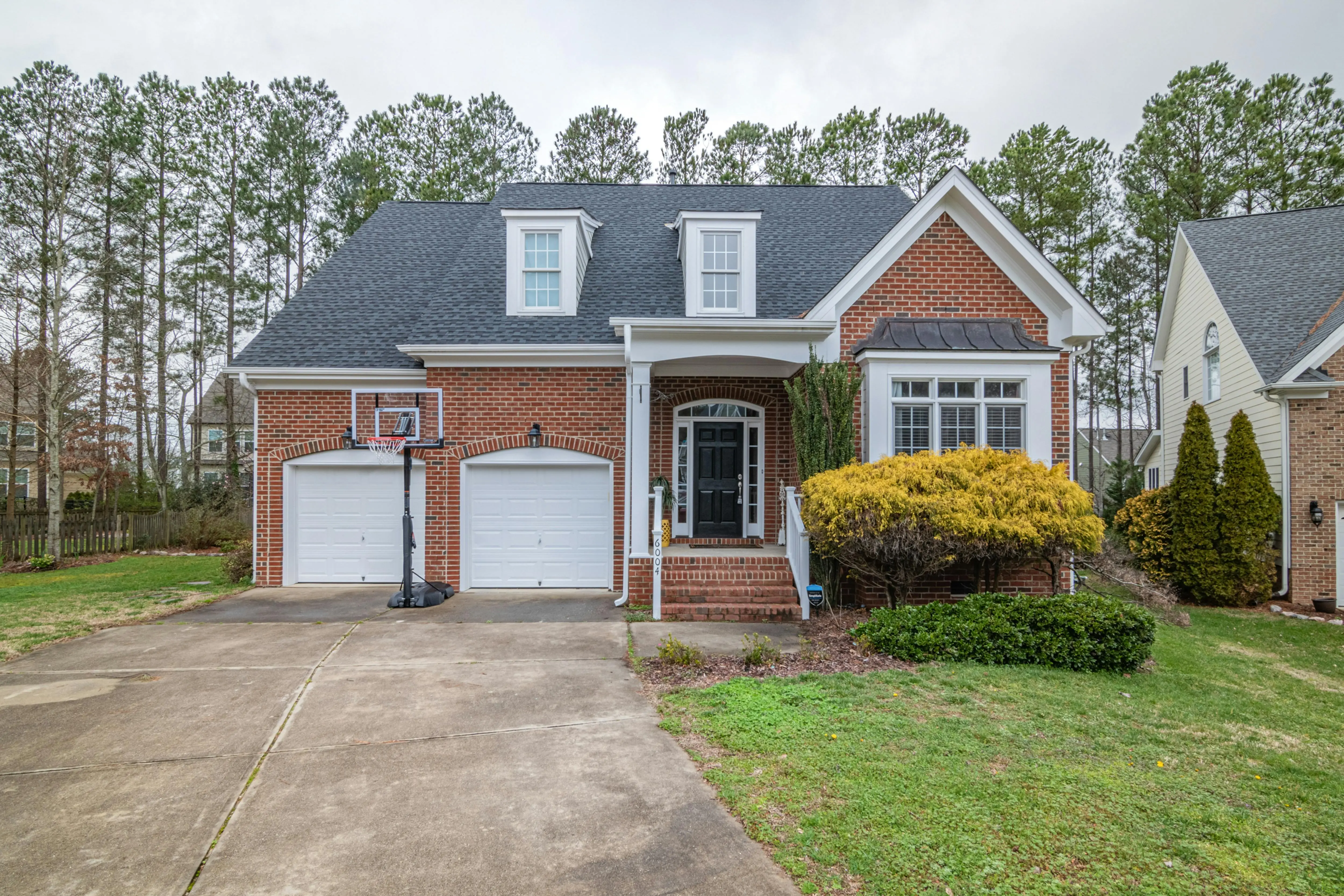
Why Your Driveway Garage Sale Setup Starts with Surface Protection
Weekend treasure hunters will tromp across your pavement, card tables will scrape the surface, and oily tools or leaky toys can leave stains that outlast the sale. A smart Driveway Garage Sale Setup keeps cash coming in while keeping your concrete or asphalt in like-new condition. Below, the Drivewayz USA team walks you through the exact steps our pros recommend to homeowners who want top-dollar bargains without bottom-dollar damage.
What’s at Stake for Your Driveway
- Indentations from heavy furniture legs on hot days
- Rust rings from cast-iron décor or yard tools
- Oil drips from small-engine items (lawnmowers, chain saws)
- Scuff marks from rubber shoe soles and stroller wheels
- Paint or ink transfer from price-slashed artwork and kids’ crafts
Preventing these blemishes is faster—and cheaper—than resurfacing later.
Pre-Sale Driveway Prep Checklist
1. Clean First, Price Later
A spotless surface lets you see existing stains so you don’t blame the garage sale for them later. Use a biodegradable degreaser on oil spots and rinse with a 25° pressure-washer tip. Give the pavement 24 hours to dry; trapped moisture can encourage mildew under rugs or tarps.
2. Inspect for Minor Cracks
Hairline cracks can widen when you roll a freezer or file cabinet across them. Fill gaps <¼ in. with a flexible concrete or asphalt crack filler. For larger damage, schedule a quick patch at least 48 hours before the event so the filler cures fully.
3. Mark “No-Park” Zones
Chalk bright boundary lines where shoppers shouldn’t place bikes or bookcases. It’s easier to point to a neon stripe than police every guest.
Choosing Protective Barriers: Mats, Pads & Tarps
Concrete Driveways: Breathable Is Best
Concrete is porous. Non-breathable plastic traps evaporating moisture and can create ghost stains. Opt for:
- Canvas drop cloths with rubber-dotted backs (prevents slide, allows airflow)
- Interlocking EVA foam tiles (soft underfoot, lift easily for sweeping)
- Low-pile outdoor rugs sold for patios—look for “UV-stable & mildew-resistant”
Asphalt Driveways: Beat the Heat
Asphalt softens near 90 °F. Heavy items can sink, leaving saucer-shaped dents. Solutions:
- ¾-in. plywood sheets distribute weight; seal edges with quick coat of polyurethane so they don’t delaminate.
- Reflective tarps (silver side up) keep surface temps down 10-15 °F.
- Schedule shade: pop-up canopies along the drive’s midline where you’ll park dressers or tool chests.
Cost Snapshot
Expect to spend $35–$75 to protect a standard two-car (20 × 20 ft) drive—far less than the $300–$900 you’d pay to patch and seal after damage.
Furniture & Appliance Placement Tips
Use “Feet” Not “Feet”
Slip felt pads or rubber furniture cups under metal legs. For super-heavy items like treadmills, set each foot on a 6 × 6 in. paving stone; it spreads load and prevents rusty rings.
Create Aisles & Plywood Highways
Map 3-ft-wide aisles so shoppers aren’t dragging boxes across bare pavement. Lay two parallel runs of ½-in. plywood where you expect traffic with wagons or strollers.
Chalk Outline Strategy
Before you bring anything out, outline each large piece with sidewalk chalk. Rearranging chalk is easier than skidding a 150-lb desk and scraping the driveway.
Stopping the Top 4 Driveway Stains Mid-Sale
Rust
Place painted plant saucers or cheap plastic dinner plates under anything metal. Dollar-store items beat $15-per-square-foot rust-removal products.
Oil & Gas
Set lawnmowers, edgers, and gas cans on a kiddie pool liner or an old cookie sheet lined with oil-dry. Keep a spray bottle of degreaser and paper towels nearby for quick wipe-ups.
Paint & Ink
Store craft supplies in shallow totes. Clip artwork to clothesline-style wire so nothing leans on the driveway.
Tire Marks
Bicycle and wagon tires leave black stripes on sunny days. A quick mist of simple green and a soft broom at closing time lifts them before they set.
Weather Contingencies: Sun, Rain, Morning Dew
Pop-Up Canopies vs. Tarps
Canopies keep items—and shoppers—dry without funneling water onto the driveway. Weight each leg with a 5-gallon water jug instead of sandbags that can leak.
Dew Defense
Overnight condensation wets cardboard boxes and transfers dye to pavement. Store boxes on plastic pallets or upside-down plastic storage bins.
Windy-Day Weights
Clip tablecloths to folding tables with binder clips. Run a bungee through grommets on ground tarps and hook to vehicle tow hitches so gusts don’t scour the surface.
Post-Sale Clean-Up That Saves Your Seal
24-Hour Rule
Remove all barriers and sweep within a day; leftover foam tiles can trap heat and imprint patterns on asphalt.
Spot-Check & Treat
Circle any new stains with chalk, photograph for insurance, then apply appropriate cleaner:
- Rust: lemon juice & baking soda paste, 10 min dwell
- Oil: biodegradable degreaser, agitate with deck brush, rinse
- Tire marks: acetone-based wipe (spot test first)
Quick Seal Refresh
If the sale was a multi-day event, consider a spray-on rejuvenator for asphalt or a clear acrylic sealer for concrete to replace any protective layer worn by foot traffic.
Extra Cash, Extra Care: Selling Cars, ATVs & Machinery
Test drives can drip fluids. Place flattened cardboard under engines, then slide a drip pan underneath. Bonus: shoppers see you’re meticulous and trust the vehicle’s condition.
Eco-Friendly Tips That Also Protect the Surface
- Use reclaimed cardboard layers instead of new plastic sheeting; recycle afterward.
- Offer reusable shopping bags printed with your family name—free advertising and no torn plastic bits melting onto the driveway.
- Collect motor oil in sealed containers and take to an auto-parts store that recycles.
FAQ: Driveway Garage Sale Setup & Surface Safety
Over a few hours, probably not. But metal legs can scuff sealant, and in high heat asphalt can indent. Felt pads or rubber caps cost pennies and eliminate risk.
Lightweight tarps shred under foot traffic and trap moisture on concrete, leading to ghost stains. Spend a little more on breathable canvas or interlocking foam.
Wait until you’ve removed all residue and the driveway is completely clean and dry—usually 48 hours. Early sealing over stains locks them in permanently.
Yes. Plywood spreads weight and reflects some heat. Choose ½-in. or thicker boards and move them a few inches every couple of hours to avoid dark “shadow” lines.