
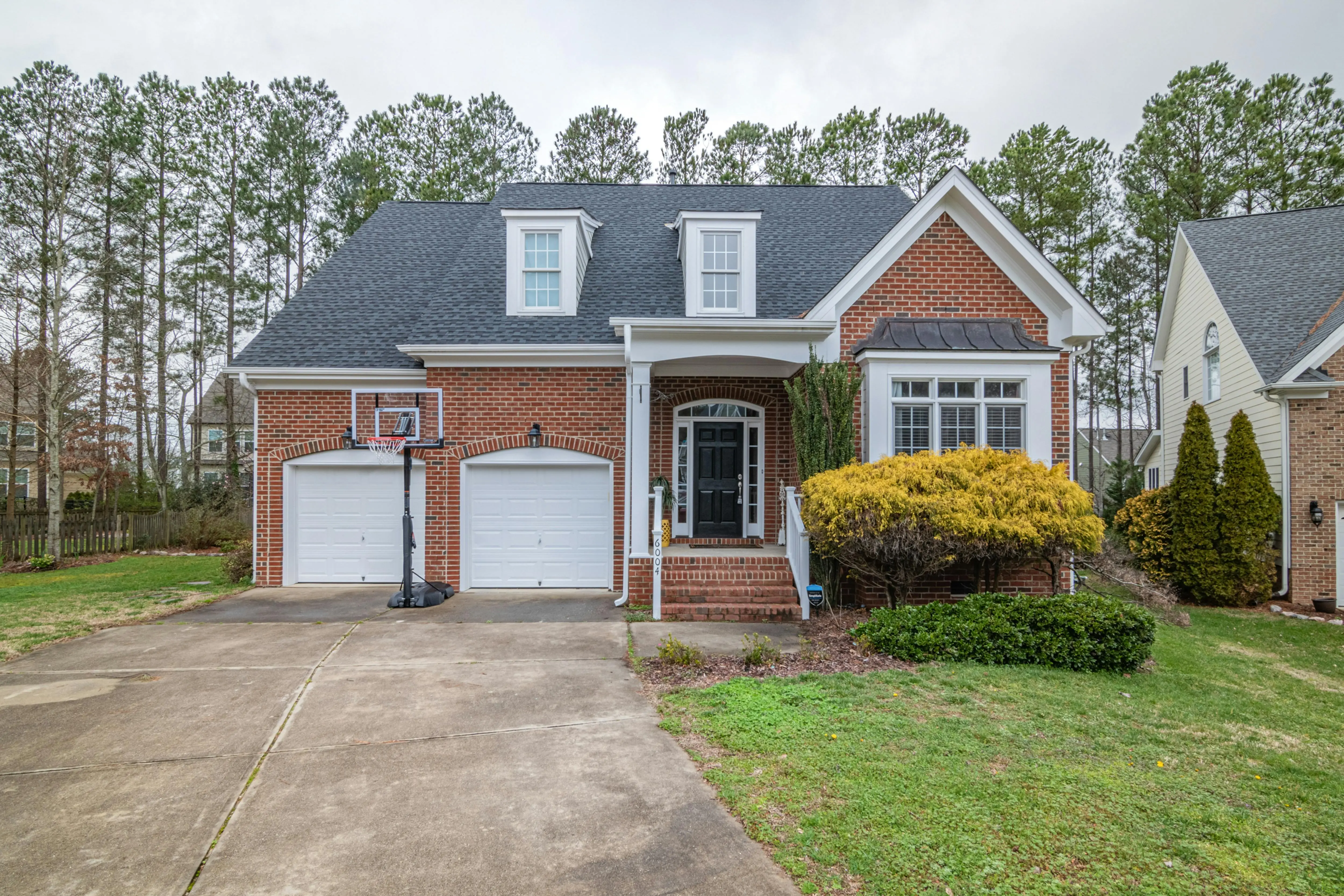
Why the Right Driveway for Rental Properties Matters
A tired, cracked driveway is the first red flag a prospective tenant sees. For rental owners, curb appeal isn’t vanity—it’s vacancy insurance. A durable, low-maintenance driveway:
- Reduces yearly upkeep spend
- Limits tenant complaints and liability claims
- Boosts resale value by 5–10 %
- Shortens turnover time—renters decide within 30 seconds of pulling up
The trick is balancing install price, life span, and “tenant-proof” resilience. Below, we break down the four best materials for a Driveway for Rental Properties, plus pro tips to stretch every dollar.
Top 4 Driveway Materials for Landlords
1. Reinforced Concrete—The 30-Year Workhorse
Standard gray concrete isn’t sexy, but 5,000 psi fiber-reinforced mix with a light broom finish can take 20 tenant move-outs, snowplow scrapes, and U-Haul trucks without flinching.
Pros
- 30–40 year life span
- Zero weed growth
- Low cost per square foot over life of slab
Cons
- Cracks if base isn’t compacted—hire a certified installer
- Stains show; seal every 4–5 years
Landlord hacks
- Ask for 6-inch thickened edge to handle moving trucks
- Skip stamped patterns—tenants won’t pay extra rent for them
2. Asphalt—Fast Install, Black-Top Resale Pop
Black asphalt hides oil drips and matches road color, giving a seamless look. A 2-inch overlay on a solid base lasts 15–20 years with sealcoating every 3 years.
Pros
- Cheapest upfront cost ($3–$5/sq ft in most regions)
- Install and cure in 24–48 hours—less vacancy loss
- Recyclable; millings can be reused
Cons
- Softens in 90 °F+ heat—high heels and kickstands dent it
- Requires periodic sealing or it turns gray and brittle
Landlord hacks
- Specify “PG 76-22” polymer-modified binder—handles heavy loads and heat
- Include a 6-month post-install inspection clause in contractor warranty
3. Interlocking Concrete Pavers—Tenant-Proof Elegance
Pavers cost more, but individual units can be swapped if stained or oil-soaked—perfect for high-turnover rentals. Choose 60 mm thick pavers for driveways, not 40 mm walkway grade.
Pros
- Instant “wow” factor—higher rent potential
- No curing wait time—use immediately after install
- Easy spot repairs; no saw-cutting
Cons
- 3× price of asphalt
- Weeds in joints if polymeric sand washes out
Landlord hacks
- Edge-restraint on all sides prevents lateral spread under tire scrub
- Dark charcoal colors hide tire dressing and oil
4. Stabilized Gravel—Rural Cash Cow
With a honeycomb geocell grid, gravel becomes semi-rigid; no ruts, no monthly top-offs. Ideal for long country lanes leading to multifamily cabins or Airbnbs.
Pros
- Cheapest material ($1–$2/sq ft grid + gravel)
- Permeable—meets many storm-water credits
- DIY-friendly on flat sites
Cons
- Not suitable for snowy regions that plow
- Stone scatter requires periodic sweeping
Landlord hacks
- Use ¾-inch angular limestone for lock-in; round pea gravel rolls like marbles
- Install a 2-foot concrete apron where driveway meets public street—keeps rocks off pavement and city happy
Quick Comparison Table (Per 1,000 sq ft Installed)
| Material | Upfront Cost | Life Span | Annual Maint. | Best For |
|---|---|---|---|---|
| Reinforced Concrete | $7,000–$9,000 | 30–40 yr | $120 | Long-term hold |
| Asphalt | $3,500–$5,000 | 15–20 yr | $250 | Budget flip |
| Concrete Pavers | $10,000–$12,000 | 25–30 yr | $180 | Premium curb appeal |
| Stabilized Gravel | $2,000–$3,000 | 10–15 yr | $150 | Rural, permeable |
How to Maximize Durability on a Rental Budget
Site Prep Is Non-Negotiable
Compaction of an 8-inch crushed-stone base to 98 % Standard Proctor density prevents 90 % of future cracking. Ask your contractor for a density test report—yes, even on gravel drives.
Drainage First, Surface Second
Add a 1 % slope (⅛ inch per foot) toward street or swale. Pooling water freezes, thaws, and pops surfaces. A trench drain at garage apron costs $400 but saves $4,000 in patch jobs.
Write “Driveway Rules” Into the Lease
- No oversized commercial vehicles (concrete is brittle under 30-knuckle-boom trucks)
- Require drip pans for leaky beaters
- Make tenants responsible for snow removal within 12 hours—prevents salt overuse
Schedule Seasonal Quick-Wins
Spring: Fill cracks wider than ¼ inch with polyurethane sealant.
Summer: Apply asphalt sealer coat; pressure-wash concrete to remove magnesium chloride.
Fall: Blow out paver joints and top-off polymeric sand.
Winter: Use plastic shovel blades; metal scrapers gouge every surface.
ROI: Will Tenants Pay More for a Fancy Drive?
Data from 200 Drivewayz USA rental clients show:
- Fresh asphalt or concrete adds $40–$60/month in perceived value in C-class neighborhoods
- Pavers added $80–$100/month in upscale suburbs, but only when matched with updated landscaping
- Payback averaged 5–7 years for concrete, 3–4 years for asphalt, 8–9 years for pavers
Bottom line: Match driveway class to rent ceiling. Don’t install $12k pavers in a $900/month rental.
Permits, HOA & Insurance Checklist
- Most cities require a “dust control” or “hard surface” permit for rentals—fines start at $250
- HOAs often dictate color; charcoal concrete pigment costs only $0.15/sq ft extra—get pre-approval in writing
- Notify your insurer; a new driveway can lower premise liability premium 5–10 %
Frequently Asked Questions
Reinforced concrete: 5-inch slab on 8-inch base for cars; 6-inch if delivery trucks are expected. Asphalt: 2-inch surface course over 4-inch base. Pavers: 60 mm thick stones on 1-inch bedding sand. Always follow local code—some frost areas require 10-inch bases.
Cold-lay patch exists, but hot-mix asphalt needs 40 °F ground temp and rising. Schedule between April and October for best compaction and longevity.
Put it in the lease. Most owners pass duty to tenants for single-family homes but retain responsibility for multi-unit shared drives. Either way, specify ice-melt type (no calcium chloride on concrete under 2 years old).
Yes. A penetrating silane-siloxane sealer at $0.50/sq ft every 5 years blocks oil and salt, doubling surface life. Film-forming acrylic sealers add gloss but can flake—skip them on rentals.