
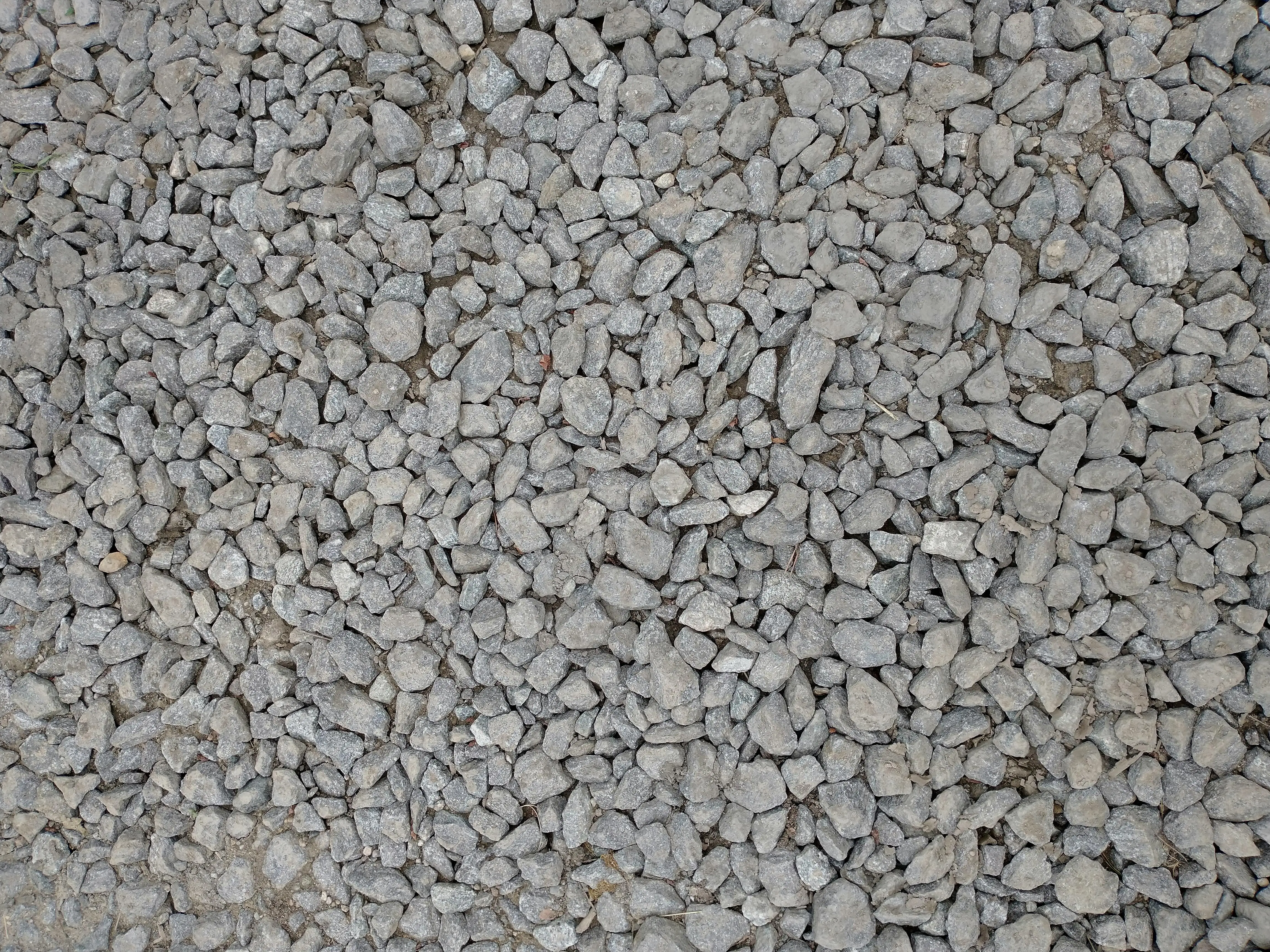
Why Climate Zone 6 Demands a Purpose-Built Driveway
Climate Zone 6—think Phoenix, Las Vegas, El Paso, and much of the Southwest—delivers 300+ days of sun, summer highs above 105 °F, single-digit humidity, and downpours that arrive “all at once.” Those extremes cause standard asphalt to bleed, concrete to craze, and pavers to lose joint sand overnight. A driveway for Climate Zone 6 must shrug off thermal shock, intense UV, and flash-flood runoff while still looking great after 20 years.
The good news? Once you pick the right material and install it with Zone-6-specific details, maintenance drops to a couple of quick tasks a year and life-cycle cost beats cooler-climate neighbors. Below you’ll find the field-tested options, installation tricks, and ballpark prices Drivewayz crews use every day in the desert.
Best Driveway Materials for Hot, Dry Regions
1. UV-Stable Concrete Mixes
Standard 4,000 psi concrete turns chalky and surface-etches in Zone 6 unless the mix is tweaked. Ask your contractor for:
- Type II cement (moderate heat of hydration)
- 15–20 % Class F fly ash or 25 % slag to cut permeability
- Light-colored aggregate to reflect infrared
- 5–6 % air entrainment—yes, even in the desert—to handle sudden monsoon cooling
Practical tip: Pour at 4½ in. thick with #4 rebar on 18-in. centers, saw-cut 1-in. deep joints every 12 ft, and wet-cure for seven days. The extra curing time nearly doubles surface hardness so tires can’t scuff off the paste.
2. Chip-Seal “Cool” Asphalt
Conventional hot-mix softens at 140 °F surface temp—common at noon in July. A two-course chip seal using a polymer-modified emulsion and light-colored granite chips keeps surface temps 20–25 °F cooler and costs 35 % less than full asphalt replacement. Life span: 10–12 years if re-sealed every 36 months.
3. Interlocking Permeable Pavers
Permeable pavers let monsoon rain soak through 2 in. of open-graded bedding stone into a 6-in. crushed-rock reservoir, eliminating runoff and HOA headaches. Pick concrete units with a minimum 8,000 psi compressive strength and ASTM C936 absorption < 5 %. Colors? Go with “desert tan” or “buff” to reduce heat island effect.
4. Stabilized Decomposed Granite (DG)
For a natural, budget-friendly surface, blend ¾-in. minus granite with 12 % liquid polymer stabilizer and compact to 95 % Standard Proctor. The result is porous, firm, and won’t stick to shoes. Re-top every 5–6 years; cost runs $2–$3 per sq ft installed.
How Each Material Handles Zone 6 Stresses
| Stress Factor | UV-Stable Concrete | Cool Chip-Seal | Permeable Pavers | Stabilized DG |
|---|---|---|---|---|
| 110 °F+ surface | Excellent | Good | Fair (use light colors) | Excellent |
| Flash-flood flow | Poor unless sloped | Good | Excellent | Excellent |
| Tire staining | Visible, removable | Minimal | None | None |
| Expected life | 30+ years | 10–12 years | 25 years | 5–6 years |
Installation Secrets for Long Life in the Desert
Start with a Moisture Barrier
Desert soils are often expansive when they do get wet. Lay a 6-mil polyethylene vapor barrier under concrete or pavers to stop water from swelling the clay and heaving the surface.
Time the Pour: Night or Dawn Only
Concrete placed after 10 a.m. in July can hit 95 °F before you float it, leading to plastic-shrinkage cracks. Schedule the truck for 5 a.m.; use a sunshade tent if temps exceed 100 °F.
Seal Joints & Edges Every 30 Months
UV breaks down joint sealants faster than in cooler zones. Mark your calendar to re-apply polyurethane or polyurea joint filler before the monsoon season; it’s a 30-minute DIY job that prevents edge spalling.
Use a “Sacrificial” Top Coat on Asphalt
Even cool-chip asphalt benefits from a gilsonite-emulsion spray every three years. The thin film oxidizes first, sparing the structural mat below. Cost: $0.35 per sq ft if you DIY with a garden sprayer.
2024 Cost Snapshot in Climate Zone 6 Cities
Prices include standard 4-in. base prep, delivery, and labor; add 10 % for remote sites.
- UV-stable concrete broom finish: $8.50–$10.25 / sq ft
- Stamped & colored concrete: $12.75–$15.00 / sq ft
- Cool chip-seal (2-course): $3.25–$4.00 / sq ft
- Permeable concrete pavers: $9.50–$11.00 / sq ft
- Stabilized DG: $2.00–$3.25 / sq ft
ROI angle: In Phoenix resale studies, permeable paver driveways added 5.9 % to sale price—recouping 102 % of install cost—while standard asphalt added only 1.2 %.
Low-Desert Maintenance Checklist
- March: Pressure-wash surface to remove winter dust; inspect for cracks wider than ⅛ in.
- May: Apply UV-top coat sealant on asphalt or re-sand paver joints.
- July (post-monsoon): Clear drainage channels; refill eroded joint sand.
- October: Patch any spalls before cool nights arrive; use rapid-set polymer concrete so you can drive on it in two hours.
Total annual spend: roughly $0.25 per sq ft—about the price of a latte to protect a 600 sq ft driveway.
Green Bonuses in a Drought-Prone Zone
Choosing a light-colored, permeable surface can lower adjacent garage temps by 7 °F, cutting cooling loads. Pair the driveway with a dry well or underground cistern and you can capture 1,500 gal of runoff from a 2-inch monsoon—enough to irrigate a 500 sq ft xeriscape for two months. Many Zone 6 cities (Tucson, Albuquerque) rebate up to $2,000 for on-site storm-water retention, effectively cutting paver driveway cost by 20 %.
Homeowner FAQ
Not if the mix is low-shrink and you joint it correctly. Place control joints 1× the slab thickness (in feet) and wet-cure a full week. We see hairline cracks < 1/16 in.—cosmetic, not structural—on 95 % of our Zone 6 pours.
Every 3 years or when the surface color turns from light gray to charcoal black. A quick spray coat takes one afternoon and keeps the stone matrix locked in place.
Yes. When installed over a 6-in. open-graded base, they support 60,000 lb fire trucks. For residential pickups, we use 80 mm thick pavers; no special base upgrade needed.
Properly installed DG with 12 % polymer stabilizer is porous; water percolates rather than pools. Surface stays firm—think of it as a natural asphalt without the heat retention.