
Why Climate Zone 5 Demands a Special Driveway
From the steamy Gulf Coast to the mid-Atlantic seaboard, Climate Zone 5 dishes out 90-degree summers, 80-percent humidity, and surprise cloudbursts that can dump two inches of rain in an hour. Your driveway is the first thing those extremes hit. Pick the wrong material and you’ll battle oil-thick algae, spider-web cracks, and heaved edges in a matter of months.
The good news? A driveway engineered for the “hot & humid” zone can shrug off these stresses for 25-plus years with only a weekend of maintenance each year. Below, we’ll walk you through the best materials, installation tweaks, and cost-saving tips so you can choose a surface that looks great, drains fast, and survives the next heat wave.
Best Driveway Materials for Hot, Humid Climates
1. Permeable Concrete Pavers
Unlike standard poured slabs, permeable pavers are spaced with 3–8 mm joints that let water escape instead of pooling on top. That keeps summer mold stains away and prevents hydrostatic pressure that can crack edges.
- Heat reflection: Light-colored pavers bounce back 35–45% of solar gain, so surface temps stay 15–20°F cooler than asphalt.
- DIY edge: Individual units can be lifted and swapped if one chips—no saw-cutting or patching scars.
Pro tip: Ask for ASTM C936-rated units; they absorb less than 5% water, critical for muggy zones.
2. Stabilized Gravel with Geogrid
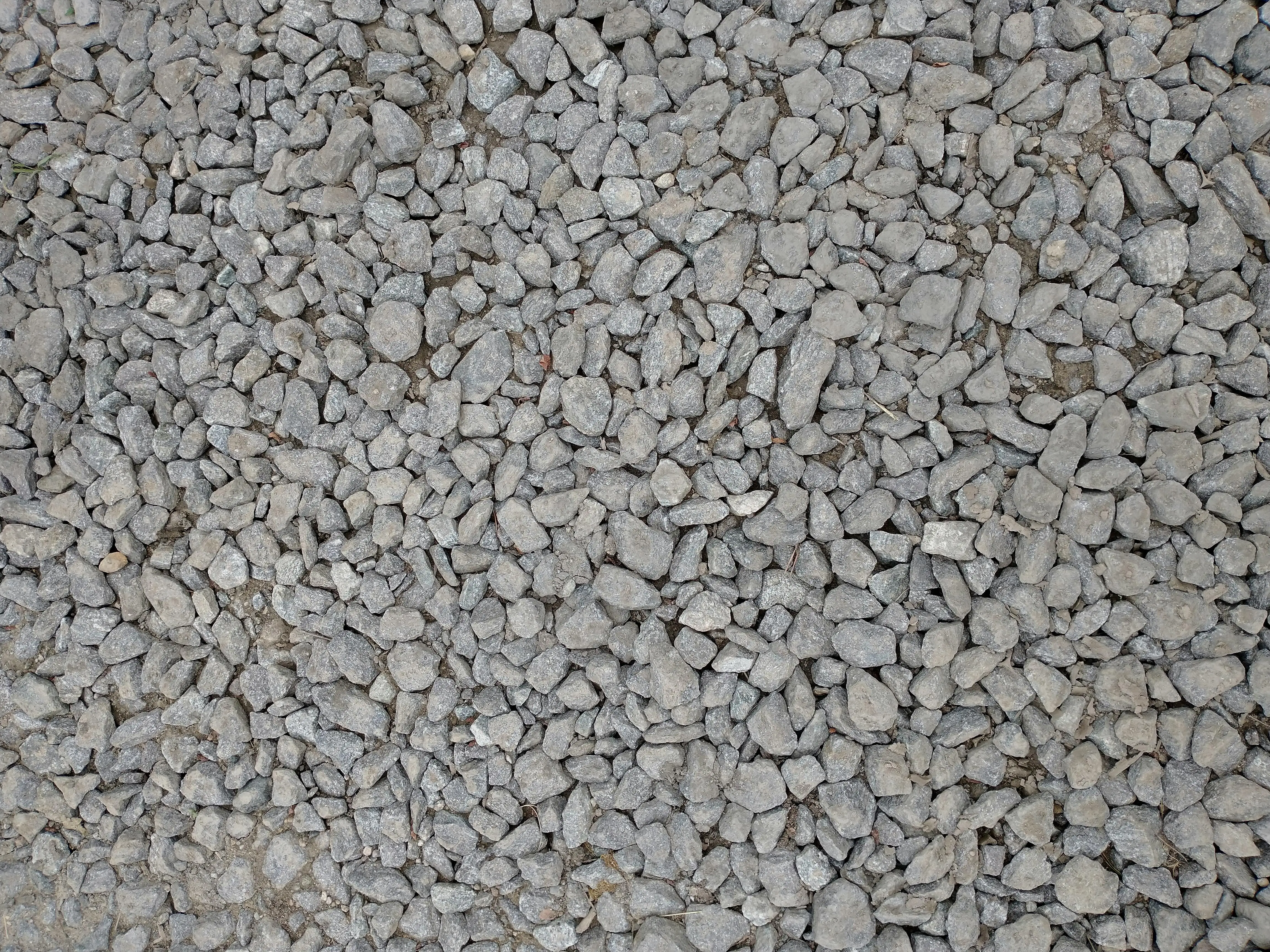
Think gravel can’t handle humidity? Add a honeycomb geogrid and clear acrylic polymer. The grid locks ¾-inch river gravel in place; the polymer binds fines so dust doesn’t turn to mud during monsoon season.
- Cost: $2.50–$4 per sq ft DIY, $5–$7 installed—half the price of concrete.
- Drainage: 100% permeable, reducing storm-water runoff fees in many cities.
3. Cool-Coil Asphalt (Warm-Mix with Reflective Sealer)
Standard 350°F hot-mix asphalt can soften to 130°F on a Zone 5 afternoon, leaving tire dents. Warm-mix additives drop production temps by 30–50°F, creating a denser surface that resists rutting. Top it with a Gilsonite-based reflective sealer every four years and you cut surface temps another 12°F.
4. Clay Brick Pavers (High-Density Grade)
Old-school brick can spall in freeze-thaw, but Zone 5 rarely sees sustained sub-32°F. Choose bricks fired to >10,000 psi and set them over an open-graded stone base. The result: a charming, breathable surface that hides stains and never needs a pressure washer.
5. Resin-Bound Aggregate
UV-stable polyurethane resin mixed with natural aggregate creates a seamless, flexible carpet of stone. It expands and contracts with heat swings without cracking, and the textured finish stays slip-resistant even when algae tries to move in.
Build the Base Right: Drainage First
Climate Zone 5’s torrential bursts can drop 6 inches of rain in a single afternoon. If that water can’t escape sideways and down, it’ll exit through your driveway—taking gravel and sand with it.
- Excavate 10–12 inches below finished grade (two inches deeper than northern zones) to make room for extra drainage stone.
- Install a 4-inch perforated PVC pipe along the downhill edge, daylighted to a pop-up emitter near the street.
- Lay a 6-inch open-graded #57 stone layer, followed by a 2-inch bedding layer of #89 chip. No fines means water moves laterally instead of pooling.
- Compact each lift with a plate compactor at 90% Standard Proctor density—humid soils stay loose if you rush this step.
Heat & Humidity: Surface Treatments That Work
Reflective Sealers
Clear nano-titanium sealers reflect infrared rays and knock 10–15°F off surface temps. Re-coat every three years; cost is roughly $0.60 per sq ft DIY.
Algae & Mold Inhibitors
Add a quaternary ammonium-based wash to your spring-clean checklist. Spray on, let dwell 10 minutes, rinse. One quart covers 1,000 sq ft and keeps green slime away for six months.
Color Choice
Light gray, buff, or sandstone colors stay cooler and hide pollen. Dark charcoal may look sleek, but it can hit 160°F—hot enough to soften some tire compounds.
Cost Snapshot: Zone 5 Driveways in 2024
| Material | Installed Cost (sq ft) | Life Span | Annual Maint. |
|---|---|---|---|
| Permeable concrete pavers | $10–$14 | 30–35 yrs | $0.10 |
| Stabilized gravel | $5–$7 | 15–20 yrs | $0.15 |
| Cool-coil asphalt | $4–$6 | 20 yrs | $0.20 |
| Clay brick | $12–$16 | 40 yrs | $0.08 |
| Resin-bound aggregate | $14–$18 | 25 yrs | $0.05 |
Factor in storm-water credits: many Zone 5 counties rebate $0.50–$1 per sq ft for permeable surfaces, knocking real costs down 5–10%.
Installation Tips for Homeowners
Time It Right
Schedule work between March and early June, or October and November. Summer installs risk rapid moisture loss and plastic-shrinkage cracking before crews can finish curing compound.
Cure Concrete Correctly
Humid air doesn’t equal proper curing. Keep pavers or poured slabs damp under breathable burlap for seven days. A single afternoon of skipped watering can cut surface strength 20%.
Edge Restraints
Zone 5 clay soils swell when saturated. Use a concrete toe or aluminum edge restraint set 8 inches below grade to lock pavers and prevent “creep” during heavy summer storms.
Low-Maintenance Checklist for Hot, Humid Summers
- Spring: Apply algae inhibitor, re-sand paver joints with polymeric sand if washout occurred.
- Mid-summer: Rinse surface with hose every two weeks to remove airborne pollen that feeds mold.
- Fall: Check drainage outlets; palm fronds and pine needles love to clog pop-up emitters.
- Every 3–4 years: Refresh reflective sealer on asphalt or resin surfaces.
FAQ: Driveway for Climate Zone 5
Humidity itself won’t hurt quality concrete, but it fuels algae and mildew that trap moisture. If that biofilm freezes on rare cold nights, surface scaling can follow. A breathable silane-siloxane sealer every five years stops water ingress while letting vapor escape.
Yes. When installed over an open-graded stone base at least 6 inches deep, permeable pavers handle 8,000-lb wheel loads—more than enough for today’s half-ton trucks. Just be sure the base extends 6 inches beyond the tire track edges for lateral support.
DIY is doable in Zone 5 if you rent a plate compactor and geogrid. Budget one weekend for excavation, one for grid and gravel, and one for polymer spraying. The trick is keeping the gravel ¼-inch below grid top so the polymer locks the stones, not the plastic.
With cool-mix asphalt in Zone 5 temps, you can typically drive on it after 24 hours. Wait 48 hours during peak July heat when surface temps exceed 100°F to avoid tire scuffing.