
Why Climate Zone 4 Driveways Demand a Different Approach
Climate Zone 4 stretches across much of the southern United States—from parts of California through Texas and the Gulf Coast to the Carolinas. Winters are short and mild, summers are hot and humid, and freeze-thaw cycles are rare. That combination changes every rule you thought you knew about driveways.
Here, the enemy isn’t cracking from ice heave; it’s softening asphalt, UV bleaching, thermal expansion, and sudden summer cloudbursts. Build the driveway wrong and you’ll see ruts, color fade, and base wash-out long before a northern driveway would fail.
The good news? Fewer freeze-thaw cycles mean lower risk of deep structural damage. You can use materials and design tricks that would never survive a northern winter—often at a lower lifetime cost.
Best Driveway Materials for Zone 4’s Mild Winters
1. Asphalt—Budget-Friendly but Heat-Sensitive
Traditional hot-mix asphalt works in Zone 4, but only if you bump up the aggregate size and polymer grade. Ask the contractor for PG 70-22 or PG 76-22 binder. The higher high-temp rating resists summer rutting when the mercury tops 95 °F.
- Seal-coat every 3 years with a UV-blocking acrylic blend instead of standard coal tar. Coal tar degrades faster under intense UV.
- Keep the mix temperature on site above 275 °F during install—cooler lifts compact poorly and absorb more heat later.
- Request a 1.5-inch surface lift over a 4-inch binder lift. Two lifts shed water faster than one thick mat.
2. Reinforced Concrete—The Long-Life Option
Concrete loves Zone 4’s lack of freeze cycles; you can pour a 4-inch residential slab on stable soil and expect 30-plus years. The key is controlling surface moisture loss and thermal expansion.
- Order 4,000 psi with 5–7 % air entrainment—not for freeze protection, but to give the paste flexibility during flash summer storms.
- Cut control joints every 8–10 ft in both directions; wider spacing invites random cracks when the slab expands daily.
- Apply a silane-siloxane sealer 28 days after pour, then reapply every 5 years. It blocks chloride ions from lawn fertilizers and sprinkler overspray.
3. Permeable Pavers—Rain-Ready and HOA-Friendly
Many Zone 4 cities now require on-site storm-water retention. Permeable concrete or resin-bound pavers let you park cars and meet code without a retention pond.
- Choose 80 mm thick pavers for passenger vehicles; 60 mm is fine for foot traffic only.
- Install an open-graded #57 stone base 10–12 inches deep to store a 1-inch rain event.
- Run a blower or low-pressure washer once a quarter to keep joints free of oak pollen and leaf litter that clog flow.
4. Tar-and-Chip (Chip Seal)—Rustic and Wallet-Happy
Chip seal is asphalt’s cooler cousin: liquid asphalt sprayed, then coated with aggregate. It’s half the price of blacktop and perfect for long rural drives that need grip during summer thundershowers.
- Specify CRS-2P emulsion with latex polymer. The latex adds elasticity so the surface doesn’t shear under tire stress at 100 °F.
- Wait until daytime highs stay below 90 °F for installation—too hot and the chips sink, leaving a slick surface.
- Re-chip every 7–9 years; no seal-coating required.
5. Stabilized Decomposed Granite—Eco and Heat-Reflective
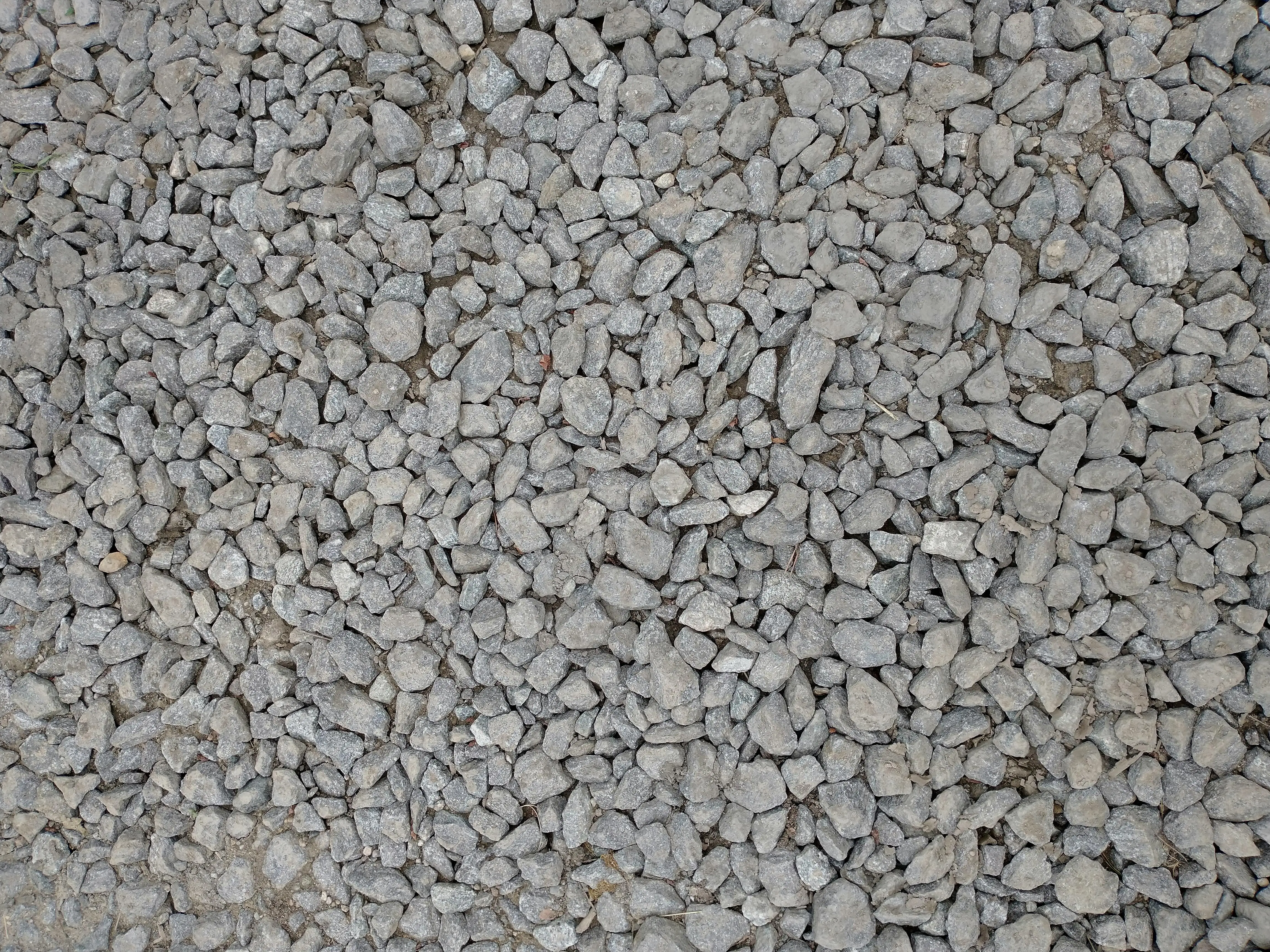
Decomposed granite (DG) mixed with a stabilizing resin creates a natural tan surface that stays cooler than asphalt. Ideal for shaded, low-traffic driveways or guest parking pads.
- Compact 4 inches of 3/8-inch minus DG in two lifts, then flood with stabilizer at 25 ft² per gallon.
- Top with a ½-inch loose "dusting" for color match; re-dust every 2–3 years.
- Edge with steel or concrete curbs; DG migrates easily during monsoon-type rains.
Smart Design Tweaks for Zone 4 Conditions
Cross-Slope and Drainage—Handle Sudden Downpours
Zone 4 can dump 2 inches of rain in 30 minutes. A 2 % cross-slope (¼ inch per foot) sends water to a swale or perimeter drain instead of pooling at the garage. Avoid birdbaths that turn into mosquito ponds.
Color Choices—Fight UV Fade
Dark asphalt absorbs heat and can hit 140 °F, softening and showing tire indentations. Choose lighter gray concrete, tan pavers, or light-colored chip seal aggregate. Lighter surfaces stay 15–20 °F cooler and cut glare.
Expansion Gap Strategy—Summer Heat Swings
A 100 °F summer day followed by an 80 °F night still moves concrete. Leave a ½-inch expansion joint at the garage apron and every 20 ft on wide drives. Use closed-cell backer rod and a self-leveling polyurethane sealant rated to +200 °F.
Soil Prep—High Clay Zones
Zone 4 coastal plains often sit on expansive clays. Remove the top 8 inches of organics, lay geotextile fabric, then 6 inches of lime-stabilized subgrade. The lime cuts swell potential by 60 % and stops "washboard" cracking.
Up-Front vs. Lifetime Cost Snapshot (12×24 ft Driveway)
| Material | Installed Cost | Annual Maint. | Expected Life | 30-Year Cost* |
|---|---|---|---|---|
| Standard Asphalt | $3,200 | $100 | 18 yr | $6,200 |
| Polymer-Mod. Asphalt | $3,900 | $100 | 25 yr | $6,400 |
| Reinforced Concrete | $5,100 | $50 | 35 yr | $6,600 |
| Permeable Pavers | $7,800 | $75 | 30 yr | $10,050 |
| Tar-and-Chip | $2,100 | $0 | 15 yr | $4,200 |
*Includes first install, scheduled maintenance, and one replacement cycle in 30 years. Prices reflect 2024 Southeast U.S. averages; local stone and oil costs vary.
Pre-Install Homeowner Checklist
- Verify HOA rules on color, permeability, and edging type—some communities require brick borders.
- Call 811 for utility locate two business days before any soil work.
- Get a soil compaction report (cheap insurance at $150) if your lot has fill dirt.
- Ask for a mix design or paver spec sheet in the bid—don’t accept "standard" without numbers.
- Schedule installs for spring or fall shoulder seasons; crews work faster in 70–80 °F temps.
- Require a one-year workmanship warranty that covers settling, staining, and joint separation.
Zone 4 Maintenance Calendar
- March: Pressure-wash concrete or pavers to remove oak pollen that can stain.
- May: Apply UV-protective seal coat on asphalt before peak heat arrives.
- July: Check for tire indentations or paver movement after heat waves; fix early.
- September: Re-sand permeable paver joints if washing has removed aggregate.
- December: Inspect expansion joints; replace any sealant that’s torn or pulled away.
Frequently Asked Questions About a Driveway for Climate Zone 4
Yes, but for UV protection, not freeze defense. Zone 4 sun oxidizes the asphalt binder, turning it gray and brittle. A quality acrylic or polymer seal coat every 3 years blocks UV and keeps the surface flexible enough to handle heat expansion.
You can, but you must first install a 12–18 inch open-graded stone base wrapped in geotextile fabric. The fabric keeps clay from migrating into the stone and clogging pore space. A perforated under-drain to daylight is also wise during monsoon-level rains.
Stabilized decomposed granite in a light tan color stays up to 30 °F cooler than black asphalt. Next best is light gray concrete with a reflective sealer. Dark asphalt can reach 140 °F and is unsuitable for barefoot play.
Concrete reaches 70 % design strength in about 5 days when daytime temps are 80–90 °F. Light passenger vehicles are okay after 5 days; wait a full 7 days for SUVs or trucks. Keep the surface damp during the first 48 hours to reduce surface shrinkage cracks.