
Why “Climate Zone 3” Matters for Your Driveway
If you live in the nation’s mixed-climate band—roughly the upper South, lower Midwest, and mid-Atlantic—you’ve probably seen 70 °F swings within a week, summer thunderstorms that feel tropical, and freeze-thaw cycles that pop pavers loose. The Federal climate map calls this Climate Zone 3, and it’s brutal on exterior surfaces. Picking the right driveway material here isn’t about curb appeal alone; it’s about avoiding premature cracking, spalling, and the surprise $8K replacement bill five years down the road.
Below, you’ll find a field-tested guide to the four driveway materials that hold up best in Zone 3, how to install them for maximum longevity, and what you can expect to spend up-front and over the life of the drive.
Zone 3’s Biggest Driveway Killers
Before we talk materials, know your enemy:
- Freeze-Thaw Cycles: Nighttime lows below 32 °F followed by 50 °F afternoons force water in and out of microscopic pores, creating internal pressure.
- High Humidity & UV: Summer heat index above 100 °F bakes seal-coats and fades color.
- Heavy Rain Events: 2-inch cloudbursts erode base layers and wash out edges.
- Chemical Exposure: De-icing salts in February, fertilizer overspray in April, and lawn pesticides in June all attack concrete and asphalt alike.
Any material you choose has to check all four boxes or you’ll be patching every spring.
Top 4 Driveway Materials for Climate Zone 3
1. Air-Entrained, Fiber-Reinforced Concrete
Best for: Homeowners who want a 30-year surface with minimal upkeep.
- Add 6 % air entrainment to create microscopic bubbles that give freezing water room to expand.
- Order 4,000 psi mix with synthetic macro fibers (1.5 lb per cubic yard) to limit hairline cracks.
- Cut control joints every 8–10 ft in both directions; seal joints with self-leveling polyurethane.
Pro tip: After the 7-day wet cure, apply a silane-siloxane penetrating sealer the first fall. Re-coat every 3–4 years; it’s a 20-minute DIY job with a garden sprayer.
2. Permeable Interlocking Concrete Pavers (PICP)
Best for: HOA neighborhoods that require stylish, storm-water-friendly surfaces.
- Open joints (⅛–¼ in.) filled with ASTM #8 aggregate let rain percolate, eliminating puddles and reducing freeze-thaw stress.
- Color-through pavers resist UV fade; choose 45 mm thickness for passenger cars, 60 mm if you park a ¾-ton truck.
- Edge restraints on concrete curbs, not plastic—Zone 3 heat warps cheap edging.
Maintenance: Vacuum joints every 18 months with a shop-vac to keep them porous; top-up aggregate as needed.
3. Warm-Mix Asphalt with Polymer Modifier
Best for: Long driveways (300 ft +) where budget is a concern but freeze resistance is still critical.
- Specify PG 70-22 binder rated for Zone 3 temperature swings.
- Ask for ¾-inch crushed stone base, 8 in. thick, compacted to 98 % Standard Proctor—this is what prevents spring potholes.
- Seal-coat every 3 years with a coal-tar-free, polymer-enhanced emulsion; it flexes with temperature swings better than straight refined tar.
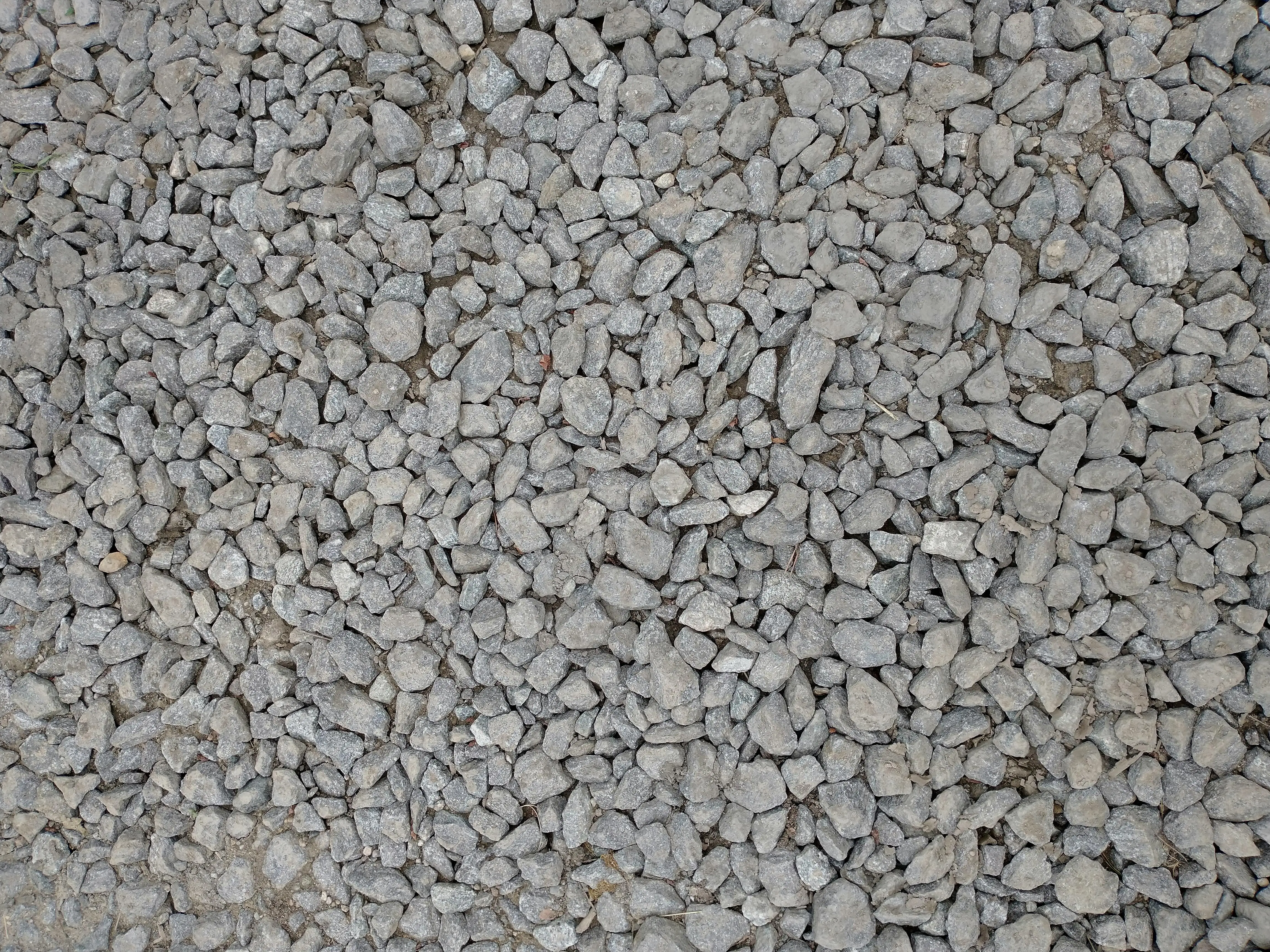
4. Stabilized Gravel with Geocell Grid
Best for: Rural properties that need a green, budget-friendly surface able to handle occasional heavy trucks.
- Install high-density polyethylene (HDPE) geocell over a 6-in. compacted crushed stone base.
- Fill cells with ¾-inch angular gravel mixed with 3 % cement by weight—it locks the stones together but stays permeable.
- Top with ¼-inch crusher fines for a smooth, ADA-compliant finish.
Lifespan: 15–20 years if you refresh the fines every 5 years—cost is roughly 30 % of concrete.
Installed Cost & 15-Year Value in Climate Zone 3
Prices include 12-ft × 50-ft (600 sq ft) driveway, standard excavation, and local labor rates averaged across Virginia, Kentucky, and Missouri markets (2024).
| Material | Up-Front Cost (600 sq ft) | 15-Year Maintenance | Net Present Value* |
|---|---|---|---|
| Air-Entrained Concrete | $7,800 | $900 | $8,700 |
| PICP | $10,200 | $1,100 | $11,300 |
| Polymer-Modified Asphalt | $4,500 | $2,100 | $6,600 |
| Stabilized Gravel | $3,200 | $1,400 | $4,600 |
*Assumes 3 % annual inflation, discounted to today’s dollars.
Installation Checklist for Zone 3 Resilience
- Soil Test: Run a Proctor on your sub-grade. If CBR < 6 %, add 6 in. of geotextile-stabilized base.
- Slope: Minimum 1 % (⅛ in. per foot) for concrete/asphalt; 2 % for permeable systems to avoid standing water.
- Edge Restraint: Concrete header beam or aluminum edging set in concrete; plastic won’t survive the first summer.
- Control Joints: For concrete, follow the “Rule of 24”—joint depth ¼ slab thickness, spacing 24× slab thickness in inches.
- Cure Time: Keep concrete wet for 7 days; asphalt needs 48 hrs before passenger traffic, 7 days before heavy trucks.
Season-by-Season Maintenance Calendar
Early Spring (March)
- Pressure-wash to remove de-icing salts.
- Fill new cracks in asphalt with rubberized sealant before weeds take root.
Late Spring (May)
- Re-sand paver joints if washed out.
- Apply first coat of penetrating sealer to concrete if it’s been 3 years.
Summer (July)
- Treat oil spots with biodegradable degreaser; UV rays bake stains in permanently.
Fall (October)
- Seal asphalt after 2 days of 50 °F+ weather.
- Clear leaves weekly; tannic acid stains concrete and clogs permeable joints.
Winter (December–February)
- Use calcium magnesium acetate (CMA) instead of rock salt; it’s 70 % less corrosive.
- Shovel early—slush refreezes into surface cracks overnight.
DIY vs. Pro Install in a Mixed Climate
Concrete & PICP: Hire a certified installer. One bad pour or mis-graded base and you’ll pay triple to remove and re-do.
Asphalt: DIY patch kits work for tiny areas, but a full 600-sq-ft drive needs a 2-ton roller and 300 °F delivery. Renting equipment costs almost as much as hiring a crew.
Stabilized Gravel: This is the friendliest DIY option. With a plate compactor and a weekend crew of three, you can save 40 % on labor.
Climate Zone 3 Driveway FAQ
Only for footings or sidewalks. Zone 3 freeze-thaw cycles require air-entrained, 4,000-psi concrete with low water-cement ratio. Order from a ready-mix plant and specify “AE” (air entrainment) on the ticket.
Passenger cars: 48 hours. Heavy trucks or RVs: 7 days. Spring and fall installs cure slower; wait an extra 24 hrs if daytime highs stay below 60 °F.
Yes. Because water drains through the joints instead of pooling on the surface, you get fewer freeze patches. Expect 30–40 % less de-icer usage, saving both money and concrete edges from salt damage.
Skipping the base. A 4-in. gravel layer might pass inspection in a warm climate, but Zone 3 needs 8 in. of well-compacted crushed stone. Every inch you shave saves $200 today and costs $2,000 in repairs later.