
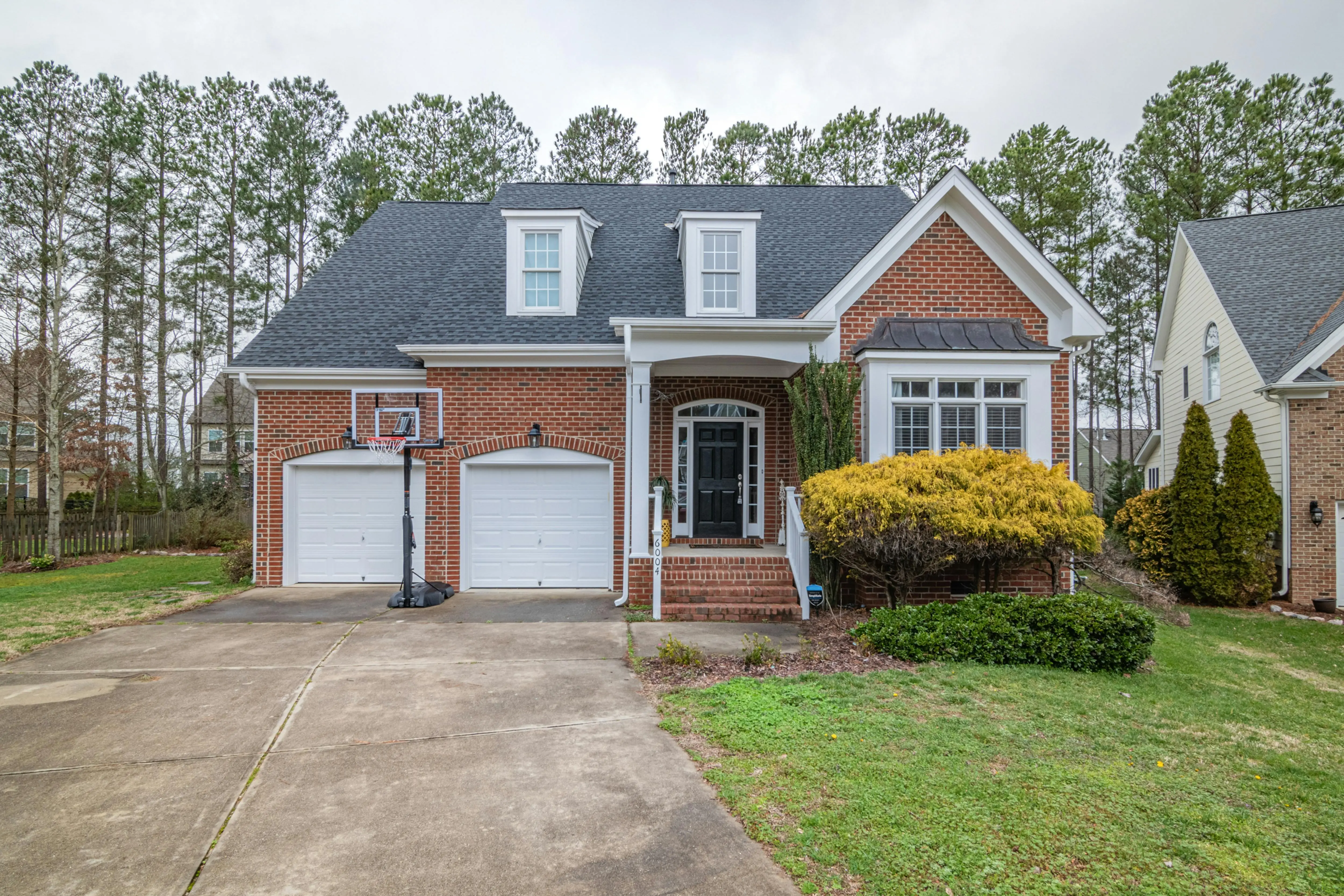
Why Fire Departments Care About Your Driveway
Every year, U.S. fire departments respond to more than 1.3 million structure fires. When flames break out, the first five minutes decide whether a home is saved—or lost. If a 40,000-lb fire truck can’t roll up your driveway and turn around, crews drag 300 ft of heavy hose down the street, wasting precious time. That’s why every city and county in America now writes “driveway fire access requirements” into local fire code.
As a homeowner, you’re responsible for meeting those rules any time you:
- Pour a new driveway
- Widen, resurface, or relocate an existing one
- Add gates, pillars, or retaining walls
- Build an accessory dwelling unit (ADU) or home addition that changes the fire flow path
The good news? Designing for fire code up-front costs little more than a standard driveway and can lower insurance premiums. Retrofitting later can cost thousands. Below, we’ll walk you through the national standards, typical local tweaks, and practical ways to keep your project on budget—and on the right side of the fire marshal.
National Standards Every Driveway Must Respect
Local codes vary, but nearly all reference the same three documents:
- NFPA 1 Fire Code §18.2 & §19.2 (vehicle access)
- International Fire Code (IFC) §503 & §504 (fire apparatus access roads)
- NFPA 1141 (standard for fire protection infrastructure)
Minimum Driveway Width for Fire Trucks
Both NFPA and IFC set a 12-ft clear width for one-way driveways and 20 ft for two-way. “Clear” means no landscaping rocks, irrigation heads, or decorative walls encroaching. Measure at the narrowest point—usually between columns or gateposts.
Vertical Clearance & Overhead Obstacles
Aerial trucks need 13 ft 6 in of vertical clearance. Tree limbs, basketball hoops, and low-voltage string lights are common culprits. If you can’t prune enough, consider a driveway reroute instead of a citation.
Turnaround & Backing Distance
Dead-end driveways longer than 150 ft must provide a turnaround. Acceptable shapes:
- Hammerhead (T-shaped)
- Y-turn (45° branches)
- Circular court ≥ 80 ft diameter (inside face of curb)
Slopes can’t exceed 15 % grade in the first 50 ft from the public road or 10 % average overall.
Load-Bearing Surface
Driveways must support 75,000 lb gross vehicle weight—roughly 1.5× the weight of a loaded fire engine. That translates to:
- 6-in reinforced concrete OR
- 7-in asphalt over 6-in aggregate base OR
- Interlocking permeable pavers on 8-in compacted base (with geo-grid)
Don’t forget the sub-base; marshy soils may need 12–18 in of compacted crushed stone.
How Local Amendments Change the Rules
California’s Office of the State Fire Marshal adds a 5-ft setback on each side for vegetation clearance. In Colorado foothills, driveways over 800 ft long require an additional 50-ft turnout every 300 ft. Coastal Florida counties demand 14-ft width to accommodate hurricane evacuations. Always pull the local amendment sheet before you bid the job.
Quick ways to check:
- Search “[County name] fire code driveway access” + PDF.
- Call the Fire Prevention Bureau; they’ll email you the checklist for free.
- Ask your driveway contractor for the “fire access matrix” they used on the last permit—reputable crews keep them on file.
Design Tips That Save Money & Headaches
1. Position the Turnaround Before the Aesthetics
Homeowners often picture a sweeping curve to the front door. Fire code wants the shortest practical route with a turnaround within 50 ft of the front façade. Sketch both goals on tracing paper; the sweet spot is usually a teardrop court that leaves room for a front walkway and flower beds.
2. Use Permeable Pavers for Steep Lots
On grades over 8 %, permeable pavers locked into a geo-grid prevent rutting under truck weight while satisfying storm-water rules. Bonus: you can lift and relay a few pavers if the fire marshal ever asks you to widen an extra foot.
3. Choose a “Gate-Friendly” Automation Kit
Swinging gates must open to at least 90° and leave the full 12-ft throat clear. Slide gates are better for tight lots. Look for UL-325 listed operators with manual quick-release; crews carry a universal key to open them during outages.
4. Light It Without Breaking Clearance
Low-voltage path lights are fine, but keep fixtures under 30 in height so they don’t block truck mirrors. Use ingrade LED well lights for the driveway edge; their flush lenses survive hose drags.
5. Record Everything on a Site Plan
Before the first shovel hits dirt, draw a scaled site plan (1 in = 20 ft is typical) showing:
- Property lines & setbacks
- Driveway centerline with radii at turns
- Turnaround dimensions
- Overhead & side clearances
- Existing and proposed utilities
Submit it to the fire marshal for preliminary comment; most offices reply within 48 hrs and waive re-submittal fees if you incorporate their notes.
Permitting & Inspection Timeline
Expect two inspections:
- Pre-grade – verifies setbacks and widths before concrete.
- Final – confirms surfacing, turnaround, and gate operation.
Schedule each at least 48 hrs ahead. Miss an inspection and you’ll pay a $150–$300 re-inspection fee plus crew standby time.
Typical Costs to Meet Fire Code
| Item | Standard Driveway | Fire-Code Compliant Upgrade |
|---|---|---|
| 12-ft width, 100 ft long, 6-in concrete | $4,800 | Included |
| Additional 3-ft width (15 ft total) | — | +$1,200 |
| Hammerhead turnaround (1,200 sf) | — | +$3,600 |
| Gate upgrade to 14-ft clear, auto opener | — | +$2,800 |
| Tree pruning for 13 ft 6 in vertical | — | +$400 |
Total up-charge for a typical 100-ft driveway: $7,000–$8,000. Spread over a 30-year mortgage, that’s about $20 per month—less than most homeowners spend on streaming services.
Retrofit Options for Existing Driveways
If your driveway already falls short, you still have choices:
- Chip-seal widening: Add 2 ft on each side with fiber-reinforced chip seal; costs ~$2.50/sf and satisfies many rural counties.
- Grass-crete turnaround: Pour a 20-ft diameter reinforced grass pad in the front yard; mow it like lawn, drive on it like concrete.
- Removable bollards: Swap fixed planters for ASTM-crash-rated removable bollards; they give 12 ft clear when unlocked.
Always get a letter of acceptance from the fire marshal before you pave; some jurisdictions prohibit certain modular systems.
Simple Maintenance That Keeps You Compliant
Fire code compliance isn’t “set it and forget it.” Add these tasks to your annual checklist:
- Re-stripe edge lines if they fade; inspectors use them to verify width.
- Trim trees to maintain 13 ft 6 in clearance—measure after spring growth.
- Test gate manual release every six months; lubricate the lever.
- Photograph the turnaround clear of cars; upload to your insurance portal—some carriers offer a 5 % “fire access” discount.
Frequently Asked Questions
Only if the inside diameter is 80 ft or more and the entire width meets 12 ft clear. Smaller “mini-courts” often fail; check the scaled drawing with the fire marshal before you commit.
No. The 12 ft must be improved, load-bearing surface—concrete, asphalt, paver, or reinforced grass-crete. Soft landscaping will rut under a 75,000-lb truck and is ignored by inspectors.
The property owner bears the cost, which is why a pre-grade inspection is cheap insurance. Reputable contractors include a “code compliance” clause and will widen or thicken sections at their expense only if the original plan was approved in writing.
Most codes don’t mandate backup power, but the gate must have a manual quick-release that firefighters can operate with a standard Knox key. Battery kits are still smart for everyday convenience and add about $400 to the opener package.