
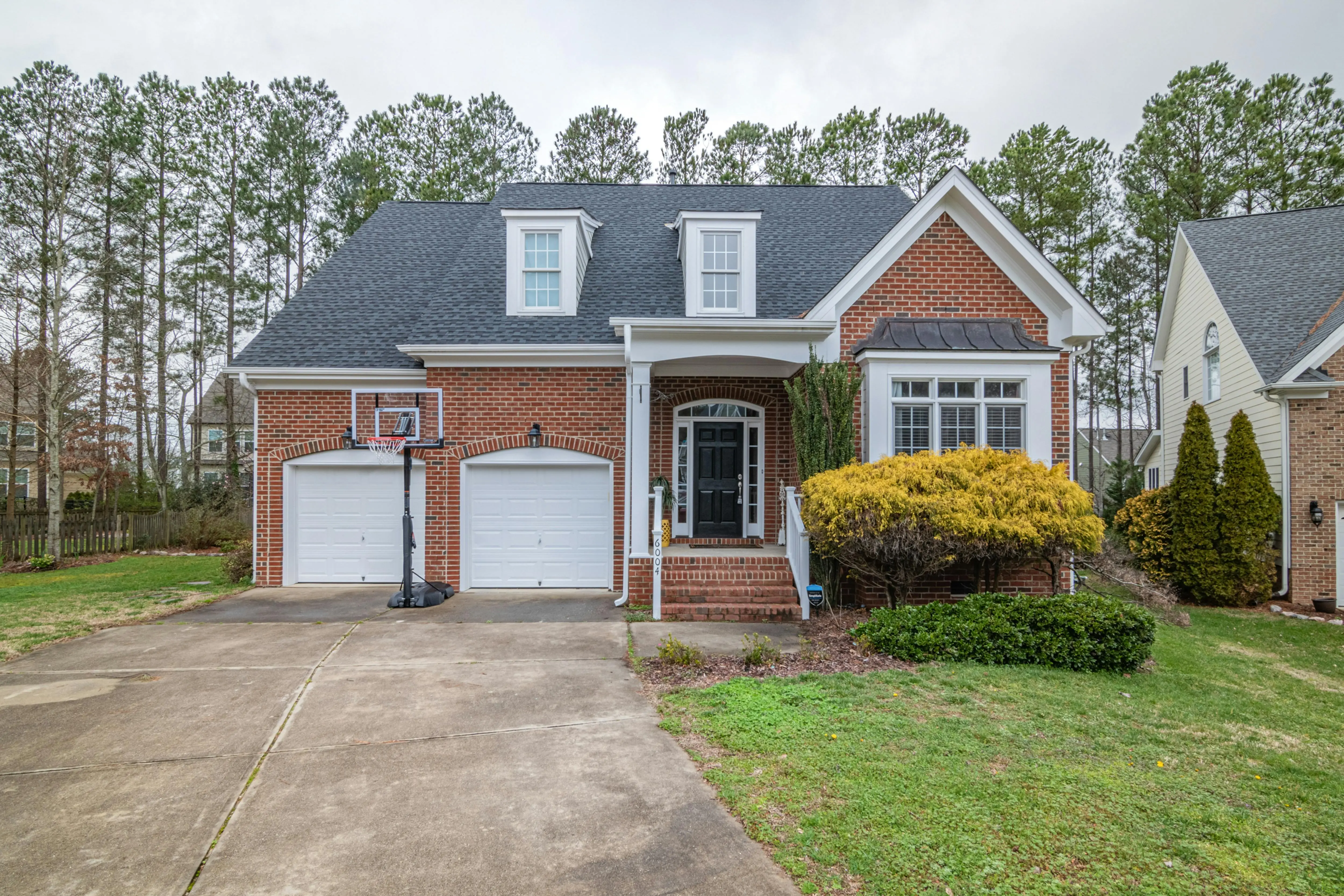
Why Driveway Financing Is Worth Considering
A new driveway boosts curb appeal, eliminates potholes, and can add 5-10% to your home’s resale value. The catch? Even a modest 12×24-ft. asphalt job can run $4,000–$6,000, while decorative concrete or paver projects easily hit $10k+. Rather than draining savings or putting it on a high-interest credit card, smart homeowners explore driveway financing options that spread the cost over months—or years—while work gets done now.
Real-World Driveway Costs in 2024
Prices vary by region, but these U.S. averages give you a realistic baseline before you shop for loans or payment plans.
- Asphalt: $3–$5 per sq ft ($4,300–$7,200 for a 24×40 driveway)
- Plain concrete: $4–$7 per sq ft
- Stamped/colored concrete: $8–$15 per sq ft
- Interlocking pavers: $10–$20 per sq ft
- Extras: $500–$2,000 for drainage, edging, or heated systems
Knowing the likely price tag helps you choose the right financing tool—small projects under $5k qualify for different products than a $20k premium paver drive.
Driveway Financing Options for Homeowners
1. Contractor Payment Plans (0% Promos)
Many driveway companies partner with third-party lenders to offer 0% interest for 6–18 months. You sign a simple loan agreement at contract signing; the contractor gets paid up-front; you make monthly installments.
Pros:
- No interest if paid off during promo window
- Same-day approval (soft credit pull)
- Secures project start date quickly
Cons:
- Deferred-interest clauses—if you miss payoff date, ALL interest (often 18–24% APR) retroactively applies
- Short term means higher monthly payments
Tip: Divide total cost by the promo months minus one. Pay that amount monthly and finish one cycle early to avoid any surprises.
2. Personal Home-Improvement Loans
Unsecured personal loans from banks, credit unions, or online lenders are the most flexible driveway financing option for homeowners. Loan amounts range $1k–$100k; terms 2–7 years; fixed APRs 6–18% depending on credit score.
Best for: Medium-sized projects ($5k–$15k) when you want predictable payments and don’t want to tap home equity.
How to shop:
- Pre-qualify with at least three lenders (soft credit check).
- Compare APR, not just interest rate—APR includes origination fees.
- Watch for prepayment penalties; best lenders have none.
3. Home-Equity Loans & HELOCs
If you’ve built substantial equity, borrowing against it usually delivers the lowest long-term rate—4–8% APR in 2024.
- Home-equity loan: Lump sum, fixed rate, 5–15-year term.
- HELOC: Revolving credit line, variable rate, 10-year draw period.
Pros:
- Higher loan limits ($25k–$250k)
- Interest may be tax-deductible if driveway improves the home (consult a CPA)
Cons: Your house is collateral; closing costs $500–$2k; approval 2–4 weeks.
4. FHA Title I Property Improvement Loan
FHA insures lenders against loss on loans up to $25k for single-family homes and $60k for multifamily—no equity required. Rates run 7–10% fixed, terms up to 20 years. Credit score thresholds are lower (580+), making this driveway financing option attractive for homeowners with limited equity or bruised credit.
5. Cash-Out Refinance
When mortgage rates drop, refinancing your first mortgage while pulling extra cash can fund a driveway plus other upgrades at 30-year fixed rates (currently 6–7%). Only makes sense if you can lower your existing mortgage rate or need a large amount ($30k+).
6. Credit Cards (Strategic Use)
Putting a $12k driveway on a 24% APR card is rarely wise. Exceptions:
- New card with 0% intro APR for 15–18 months and 2% fee—works like a free loan if you can pay it off.
- Small remaining balance after other financing—earn rewards then pay in full.
How to Choose the Right Financing Mix
Follow this 4-step checklist to avoid overpaying:
- Get at least two itemized quotes. Make sure both break out demolition, base layer, square footage, and add-ons so you’re comparing apples to apples.
- Know your credit score. 740+ unlocks single-digit APRs; 620–739 lands 10–15%; under 620, focus on FHA Title I or secured options.
- Match term to driveway life. A 25-year HELOC for a 20-year asphalt driveway means you’re paying long after the driveway fades. Aim to align payoff with expected lifespan: asphalt 15–20 yrs, concrete 25–30 yrs, pavers 30+ yrs.
- Calculate total interest. Use an online loan calculator. A $10k loan at 8% for 5 years costs $2,166 in interest; stretch to 7 years and interest jumps to $3,092. Decide if lower monthly payment is worth extra interest.
Boosting Approval Odds & Lowering Rates
- Pay down card balances to under 30% utilization one month before applying. This alone can lift your score 20+ points.
- Bring proof of income: two recent pay stubs, two years of tax returns if self-employed.
- Add a co-borrower with stronger credit; some lenders average the scores, others use the higher.
- Ask about autopay discounts; many lenders cut 0.25–0.50% APR when payments draft automatically.
Common Financing Pitfalls to Avoid
“Same-as-cash” traps
If the contract says “no interest if paid in full within 12 months,” mark your calendar for month 11. One day late and you’ll owe deferred interest from day one.
Variable-rate surprises
HELOCs tied to Prime + margin can spike. Budget for at least two percentage-point increases over the life of the loan.
Overborrowing
A lender may approve you for $40k, but your driveway quote is $9k. Stick to the project amount; resist the urge to “take the extra” for undefined upgrades.
Timeline: From Quote to Completed Driveway
- Day 1–3: Request quotes, verify contractor license & insurance.
- Day 4–7: Compare financing offers, get pre-approved.
- Day 8: Sign contract + financing paperwork; lender pays contractor.
- Day 9–14: City permit & utility locate (reputable contractor handles).
- Day 15: Demolition & base prep.
- Day 16–18: Paving or paver installation.
- Day 19–28: Cure time; avoid parking on surface.
- Day 30: Final walk-through; first loan payment usually due 30 days after funding.
ROI & Long-Term Value
Remodeling Magazine’s 2024 Cost vs. Value Report shows asphalt driveway replacement recoups 74% at resale. Translation: spend $8,000, add roughly $5,900 to home value—before factoring in faster sale time and eliminated buyer negotiation credits. Financing lets you capture that equity bump today while paying over time.
Frequently Asked Questions
Yes, if your contractor agrees to split billing. Put the amount covered by the 0% promo on that plan, then finance the balance with the personal loan. Make sure both lenders are aware so payments are applied correctly.
No. Credit-scoring models treat multiple inquiries for the same loan type within a 14-day window as a single inquiry. Your score may dip 3–5 points temporarily, but shopping around actually helps you land the lowest rate.
Most unsecured personal loans and contractor financing require zero down. Home-equity products may roll closing costs into the loan. Only cash-out refinances typically need at least 20% equity remaining after the new mortgage and cash are calculated.
With unsecured loans you receive the lump sum, so you can simply pay the excess back toward principal—no penalty if the lender has no prepayment fee. With contractor-specific plans, the loan is usually funded for the exact invoice amount, so borrow only what you need.