
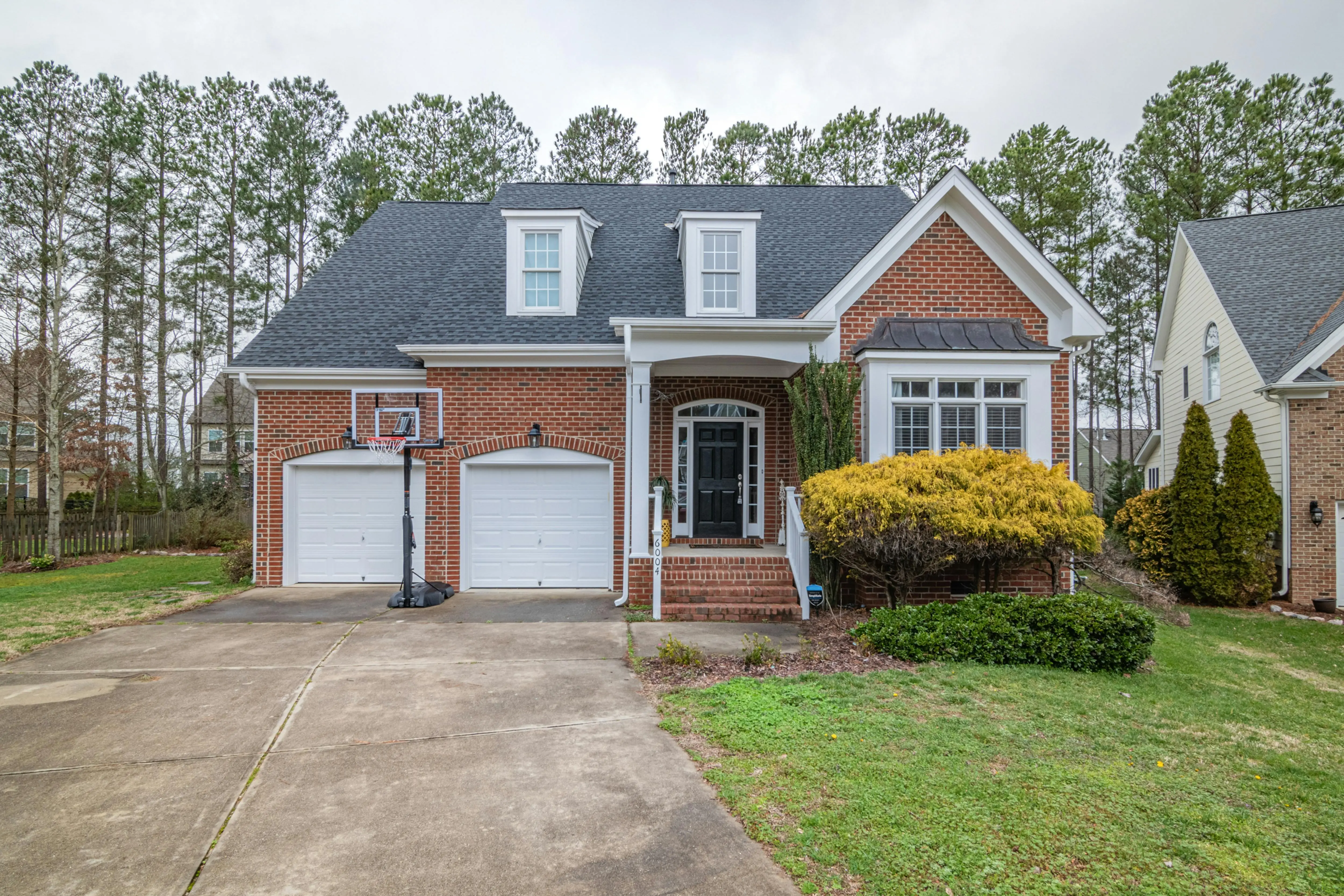
Driveway Final Completion: What “Done” Really Means
A new driveway is a big investment, and the day the crew packs up can feel like a finish line. However, Driveway Final Completion is more than just watching the last truck leave. It is the point where every contractual item is finished, the surface is safe to use, and you have the paperwork you need to protect your warranty. Knowing what to inspect, what to ask for, and what still needs to happen after the installers leave will save you stress, money, and costly callbacks.
1. The Homeowner’s Final Walk-Through Checklist
Block out 30–45 minutes the same day the contractor signals completion. Bring a printed copy of your contract, a camera, and a 6-foot tape measure.
Surface Quality Checks
- Visual uniformity: No streaky color, dry spots, or shiny “fat” areas on asphalt; consistent texture and shade on concrete or pavers.
- Thickness verification: Randomly expose the edge at the garage or sidewalk and measure; you paid for 3"–4" compacted asphalt or 4"–6" concrete—make sure it’s there.
- Drainage slope: Spray a garden hose on the surface; water should run toward the street or swale, not the garage or house.
Edge & Border Details
- Grass edges neat, not chewed up by equipment.
- Concrete borders or brick pavers flush, not rocking underfoot.
- Asphalt edges tapered at 30–35° for stability—no vertical “cliffs” that crumble.
Cleanup & Safety Items
- Zero loose nails, rebar pieces, or pet-dangerous wire left behind.
- Excess asphalt millings or concrete chunks removed from lawn beds.
- Manholes, valve boxes, and utility covers reset to grade.
- Barricades or caution tape in place if cure seal is still wet.
2. Paperwork That Proves the Job Is Closed
Do not hand over the final check until you receive the following documents. A reputable company produces them on the spot or within 24 hours.
Written Warranty
Look for: duration (3–5 years is typical asphalt; 10+ for concrete), exclusions (e.g., “edge chipping”), whether it’s pro-rated, and transferability if you sell the home.
Final Invoice & Lien Waiver
The invoice should match the contract price minus any change orders you approved. The lien waiver protects you if the supplier or subcontractor isn’t paid by the installer.
Care & Maintenance Instructions
Asphalt: wait 48 hrs before driving, 7 days before parking heavy SUVs, first sealcoat in 6–12 months. Concrete: cure spray can be rinsed after 24 hrs, joints sealed within 60 days.
3. Cure Times vs. Use Times: When Can You Actually Park?
Contractors often say, “You can drive on it tomorrow.” That’s shorthand for light vehicular traffic. Understand the phases:
Asphalt Cooling Curve
- 2–4 hrs: Surface is “finger cool,” OK for foot traffic.
- 24 hrs: Passenger cars at slow speed; avoid sharp turns.
- 72 hrs: Pickups, vans, light delivery trucks.
- 7–14 days: RVs, dumpsters, heavy landscaping equipment.
Concrete Hydration
- 24 hrs: Surface hard enough for careful foot traffic.
- 7 days: ~70% design strength—cars OK if you avoid the edges.
- 28 days: Full strength; sealcoat joint filler now or wait until spring in freeze zones.
Pavers & Polymeric Sand
Blow or sweep off excess sand, then lightly mist; 24 hrs for pedestrian use, 48 hrs for vehicles. Rain within 12 hrs? Ask for a re-sanding at no charge.
4. First Sealcoat or Cure & Seal: Timing Is Everything
Fresh asphalt contains light oils that need to oxidize slightly before sealing too early traps them and causes power-steering marks. Most experts recommend waiting 6–12 months or until the surface turns from black to charcoal gray. Schedule an email reminder with the installer the day of Driveway Final Completion so it doesn’t slip your mind.
5. Landscaping Touch-Ups That Protect the New Surface
Heavy equipment compacts soil and scrapes turf. A little proactive landscaping prevents water from undermining your investment.
Re-seed or Sod Edges
Loosen compacted soil with a garden fork, add ½" compost, then seed or lay sod. Keep a 2" buffer between grass and pavement so string trimmers don’t gouge the edge.
Downspout Extensions
Add 4'–6' extensions to dump roof water into the yard, not onto fresh asphalt or against concrete joints.
Mulch Safety Zone
Keep organic mulch 1" below the driveway surface; it stops weed growth and keeps mower decks away.
6. Final Payment & Reasonable Retainage
Industry standard is final third due at substantial completion. Holding back 5%–10% for 5–10 business days is acceptable until you receive warranties and the jobsite is fully cleaned. Put the retainage amount and due date in writing on the final invoice to avoid awkward phone calls.
7. Red Flags That the Job Is NOT Ready for Final Completion
- Surface is sticky or tacky on a sunny afternoon—oil hasn’t flashed off.
- Heavy roller or bobcat tracks still visible with no touch-up.
- Cones or tape removed but pavement temperature still above 130 °F (use an IR thermometer).
- Contractor rushes you to sign before you’ve done the walk-through.
- No building permit closure certificate in areas that require it.
8. Seasonal Considerations: Winterizing a Fresh Driveway
If final completion lands between October and March in snow-belt states, request that the contractor leave extra millings or cold-patch material for emergency edge repairs that may pop up after first plow. Also, plastic shovels only for the first winter—no metal blades.
9. Long-Term Care Starts the Day of Completion
Log the completion date in your phone calendar with recurring reminders:
- 6 months: Inspect for hairline cracks, schedule first sealcoat.
- Annually: Fill cracks wider than ¼", re-seal asphalt every 3–5 yrs, concrete joints every 5 yrs.
- Spring: Check for plow damage; touch-up before weeds take hold.
Driveway Final Completion FAQ
Wait a full 7 days in summer, 10–14 days in spring/fall when nights are cool. Heavy loads too early can cause depressions that are expensive to fix.
Same-day “cure & seal” products exist, but they are light fog coats meant only to reduce surface scuffing. Your first full sealcoat should still happen after 6–12 months of oxidation.
The homeowner. Always submit a sample or photo to your HOA architectural committee before work starts. Most contractors will add a color-stamped or dyed top layer, but only if it’s written into the contract.
Shallow power-steering marks are common on fresh asphalt under slow, sharp turns. They usually smooth out in hot weather. If indentations exceed ⅛", call for a free touch-up while still under warranty.