
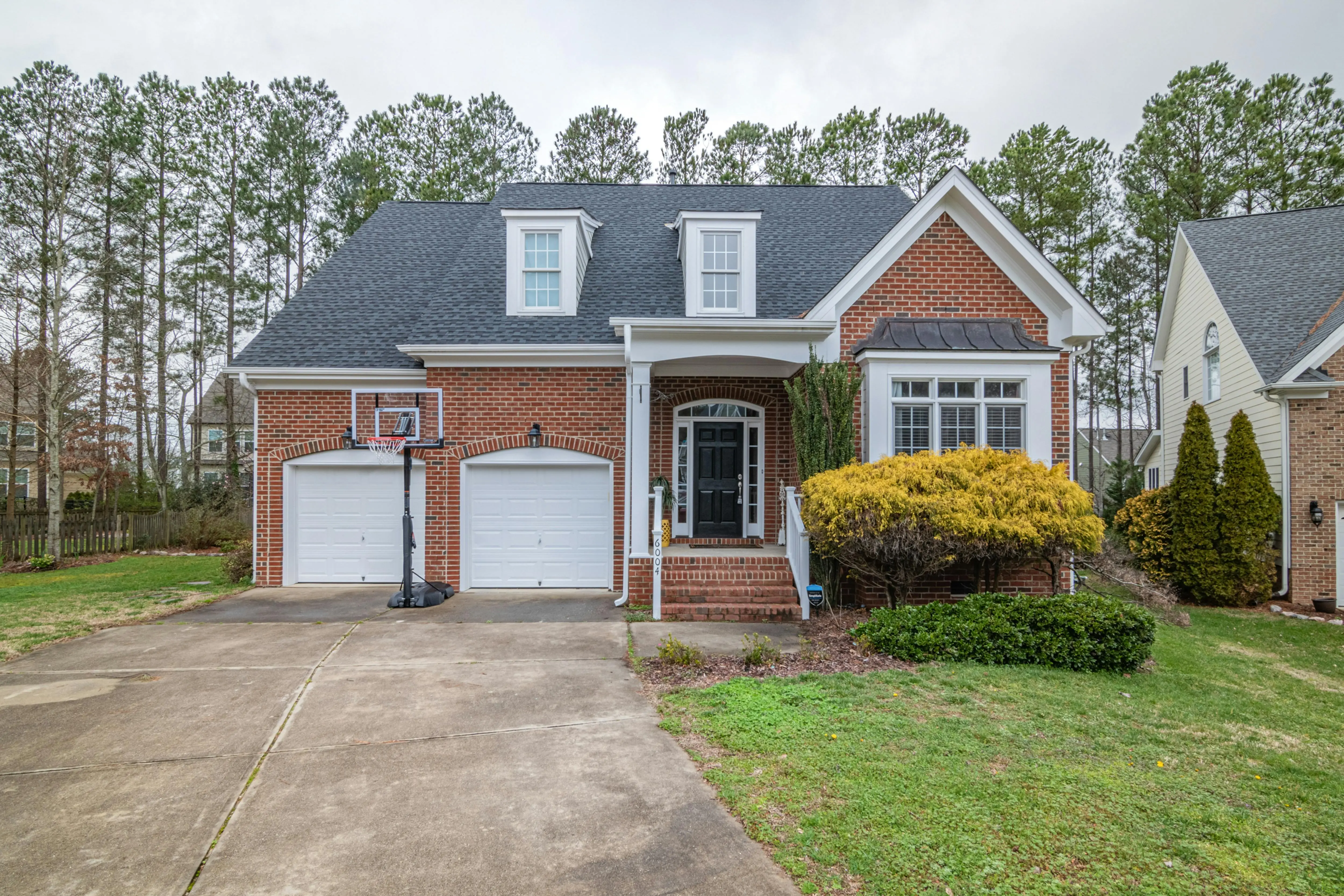
Why Driveway Fence Setback at Entry Matters
Pulling out of your driveway should never feel like a game of chance. Yet every year, thousands of fender-benders happen because a fence, pillar, or hedge blocks the driver’s view of oncoming traffic. The distance your fence sits back from the street—called the “setback”—isn’t just a curb-appeal choice; it’s a safety rule written into most local codes.
In this guide, we’ll break down exactly what “driveway fence setback at entry” means, how to measure it, and how to stay compliant without sacrificing style. Whether you’re installing a new automatic gate or replacing an old split-rail fence, these tips will keep your family safe, your HOA happy, and your insurance premiums in check.
Understanding the Rules: Federal, State & Local Layers
Federal Guidelines (MUTCD)
The Manual on Uniform Traffic Control Devices recommends a 20-foot “clear sight triangle” on local residential streets where the speed limit is 25 mph or less. That’s measured from the edge of your driveway apron and the edge of the traveled way. Anything taller than 30 inches inside that triangle—fence, trash can, basketball pole—is technically an obstruction.
State DOT Variations
Florida, Texas, and California add an extra 5–10 feet to the triangle if the street has no curb or if the posted speed exceeds 35 mph. Always check your state Department of Transportation’s “highway access” pamphlet; most offer free PDFs with setback diagrams.
City & HOA Fine Print
Municipalities can tighten the federal minimum, not loosen it. For example:
- Phoenix: 25-foot setback for any solid fence over 42 inches tall.
- Denver: 30-foot setback on collector streets, 20 feet on local streets.
- Charlotte: stone columns higher than 36 inches must be 15 feet from the back of curb.
HOAs layer on aesthetic rules—white vinyl only, no chain-link, etc.—but they can’t override safety setbacks. If the HOA handbook is silent, the city ordinance wins.
How to Measure Your Driveway Fence Setback at Entry
Tools You’ll Need
- 100-foot tape measure or laser measure
- Two wood stakes and string
- Line-level (for sloped lots)
- Smartphone level app or 4-foot straightedge
- Marking spray paint
Step-by-Step Sight-Triangle Method
- Locate the point where your driveway apron meets the street (Point A).
- Measure 20 feet along the curb line in each direction (Points B and C).
- From B and C, measure 20 feet back toward your property, creating Points D and E.
- Connect D and E with string; the triangle ADE is your clear-sight zone.
- Anything 30 inches tall or higher inside ADE must be removed or relocated.
Tip: If your street has no curb, measure from the edge of the pavement instead. On a sloped driveway, hold the tape measure level; don’t follow the ground slope.
Common Homeowner Mistakes (and How to Fix Them)
Mistake #1: Using the Sidewalk as Reference
Many owners measure from the sidewalk back, but the rule is based on the traveled way or curb face. On streets with planter strips, that can add an extra 6–8 feet of required setback.
Mistake #2: Ignoring the “30-Inch Rule”
You assume your 4-foot picket fence is fine because it’s “see-through.” Codes still count the top rail height. Open rails reduce the hazard but don’t eliminate the setback requirement.
Mistake #3: Forgetting the Mailbox
A decorative stone mailbox inside the triangle can fail a final inspection. Relocate it to the far side of the driveway or downgrade to a standard 4×4 post until you’re outside the triangle.
Choosing Materials That Satisfy Both Code and Style
Open vs. Solid Fencing Inside the Triangle
Open designs—aluminum spear-top, split-rail, or wire farm fence—give you visual clearance and often let you shrink the setback by 5 feet under local variance petitions. Solid masonry or vinyl privacy panels must stay farther back.
Columns & Gate Piers
Stone columns flanking the driveway look upscale, but anything over 36 inches tall triggers the same setback as a solid wall. Consider low 30-inch wing walls with open iron gates between them to stay compliant and still make a statement.
Landscaping Alternatives
Instead of a fence inside the triangle, use:
- Decorative groundcover (lilyturf, creeping thyme) under 18 inches
- Low ornamental grasses (blue fescue, hakonechloa) kept below 24 inches
- Flush-mounted LED path lights no higher than 12 inches
Permits, Variances & Inspection Timelines
When a Permit Is Required
Any new fence over 42 inches tall within 15 feet of the public right-of-way typically needs a permit. Attach a scaled site plan showing the sight triangle; most cities accept a hand-drawn sketch on graph paper as long as dimensions are accurate.
How to Apply for a Setback Variance
- Visit the municipal planning portal and download the “fence variance” packet.
- Include photos of neighboring fences (cities often grant variances if the streetscape is already inconsistent).
- Pay the $50–$150 fee; hearings are usually scheduled within 30 days.
- Post a notice on the property 10 days before the hearing.
Success rate: 70 percent when the applicant proposes an open design or landscaping buffer.
Inspection Day Checklist
- Have your tape measure handy; inspectors re-check on site.
- Remove vehicles from the driveway so the clear sight line is obvious.
- Bring a copy of the approved plan; red-line any field changes beforehand.
ROI & Curb Appeal: Making Setback Work for You
Buyers Love Clear Sight Lines
Real-estate photographers can’t crop out a looming fence. A compliant, open entry adds $2,000–$5,000 in perceived value according to a 2023 National Association of Realtors survey.
Insurance Perks
Some carriers offer a 5 percent “safe property” discount if you send them a copy of the city approval letter. Over ten years, that can offset the cost of the fence itself.
DIY vs. Hiring a Driveway Services Pro
When You Can DIY
Open aluminum or split-rail kits under 42 inches on flat lots with no utilities nearby are weekend projects. Rent a gas auger, call 811 first, and set posts 30 inches deep for frost heave protection.
When to Call Drivewayz USA
- Sloped lots requiring retaining walls inside the triangle
- Automatic gate operators that need hardwired conduit under the apron
- City insists on engineered drawings for masonry columns
Our crews handle permits, laser-level layout, and final inspection walk-throughs so you skip the red tape.
Maintenance Tips to Stay Compliant Over Time
Trim Schedule
Leyland cypress can add 18 inches a year. Mark your calendar for a spring and late-summer trim to keep hedges below the 30-inch threshold inside the triangle.
Gate Alignment
A sagging gate can drop below the 30-inch rule on the latch side but rise above it on the hinge side. Adjust hinges twice a year; replace worn tension rods promptly.
Snow & Leaf Build-Up
In cold climates, a 3-foot snowbank becomes an illegal obstruction. Budget for snow removal 10 feet each side of the driveway mouth. In wooded areas, blow or rake leaves that pile against low fence rails—wet leaves can reach 30 inches fast.
Frequently Asked Questions
No. HOAs can add restrictions, but they can’t override the municipal safety setback. Always follow the stricter rule.
Yes, if any part of the arbor is inside the sight triangle and taller than 30 inches, it’s treated the same as a fence. Choose a flat-top pergola style or move it outside the triangle.
If the wall is over 30 inches tall, it must observe the same setback as a solid fence. Lower terrace walls can be inside the triangle but should still be set back at least 5 feet to avoid blocking headlights.
Not directly. Assessors look at comparable sales, not fence permits. However, an attractive, compliant entry can boost curb appeal, which may reflect in a higher valuation at the next county-wide reassessment.